




AI-Powered Martian Navigation
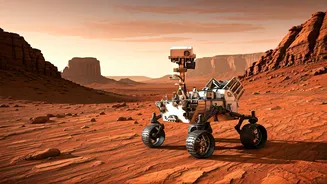
NASA's Perseverance rover has undergone a remarkable evolution, gaining the capacity for autonomous navigation through the integration of artificial intelligence.
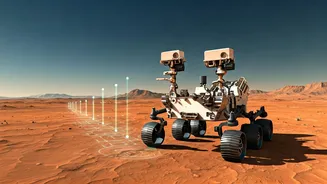
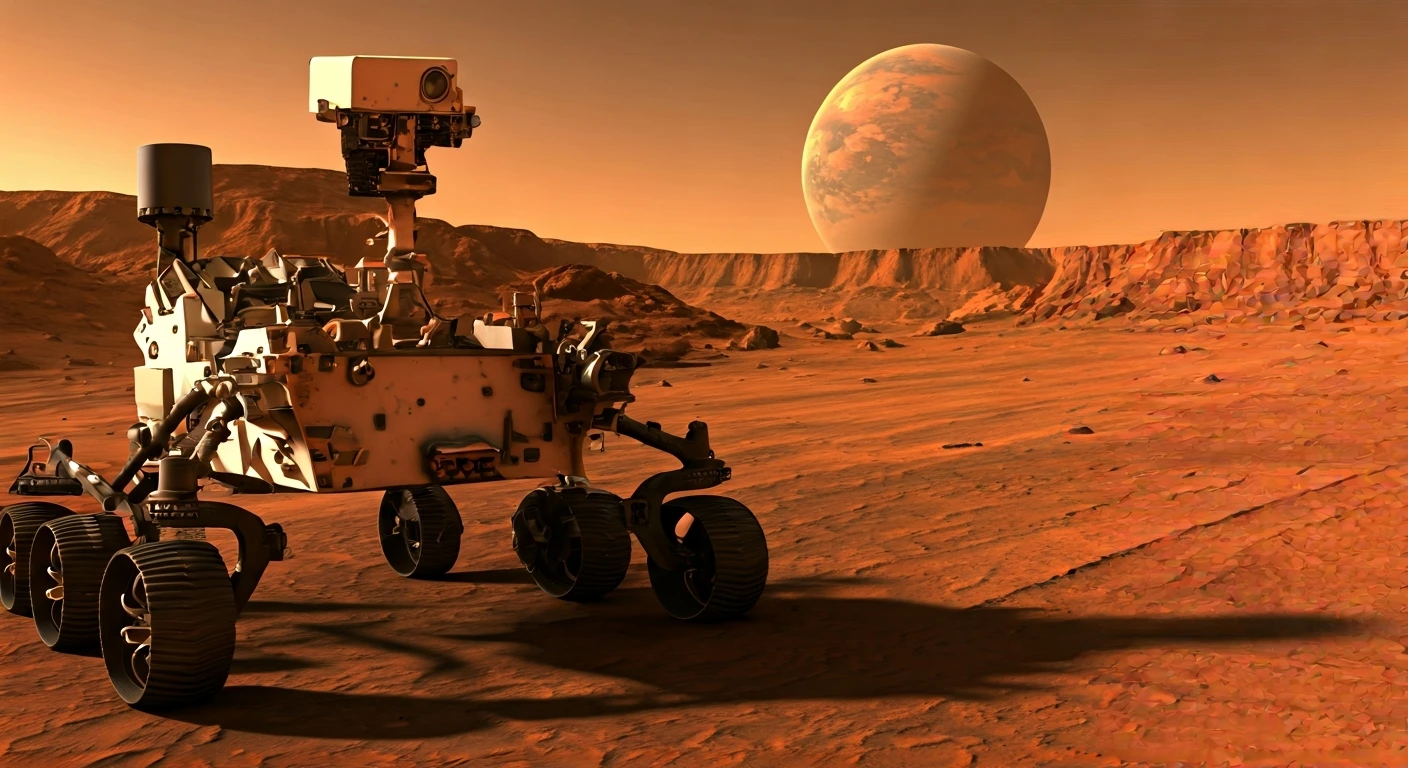
This groundbreaking development essentially equips the rover with its own "GPS" system on the Martian surface. Previously, rovers relied heavily on ground control for every movement, a process that involved significant delays due to the vast distances involved. Now, Perseverance can process its surroundings, identify potential hazards like rocks and craters, and plot a safe and efficient path forward without constant human intervention. This new ability is a monumental leap in robotic exploration, allowing for more ambitious scientific investigations and a faster pace of discovery. The rover's sophisticated sensors and advanced algorithms work in tandem, enabling it to make real-time decisions, much like a human driver navigating a complex terrain, but with the precision and resilience of a machine designed for the harsh Martian environment.
Enhanced Mission Capabilities
The implementation of AI-driven navigation on the Perseverance rover dramatically expands its operational capabilities and the scope of its scientific objectives. By reducing its reliance on Earth-based commands, the rover can cover more ground and explore more diverse geological features within its mission timeline. This autonomy is crucial for reaching scientifically interesting locations that might be too risky or time-consuming to navigate with conventional methods. The ability to self-direct allows Perseverance to react more effectively to unexpected terrain challenges and optimize its routes for data collection, ensuring that valuable scientific insights are gathered more efficiently. This technological advancement not only accelerates current research but also lays the foundation for future, more complex missions, including those that may involve multiple autonomous agents working collaboratively on the Martian surface.
Future of Martian Exploration
The success of AI-powered autonomous driving in the Perseverance rover signifies a pivotal moment in humanity's exploration of Mars and beyond. This technology not only enhances the efficiency and safety of current missions but also paves the way for more ambitious endeavors, such as establishing a sustained human presence. Rovers equipped with advanced AI can scout potential landing sites, identify resources, and perform preliminary scientific assessments, all while minimizing risks to future astronauts. Furthermore, this capability is essential for future robotic swarms or complex expeditionary teams that will require sophisticated coordination and independent decision-making. The "new ability" given to Perseverance is more than just a navigation upgrade; it's a fundamental shift towards more intelligent, adaptable, and independent robotic explorers capable of tackling the immense challenges of interplanetary exploration.