


A Fragrant Historical Tapestry
Grasse, nestled high above the French Riviera near Cannes, boasts a lineage stretching back to the 12th century, originally thriving on leather tanning.
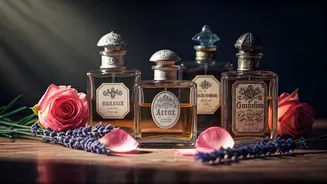
Its transformation into the world's perfume capital began around the 1500s, spurred by Queen Catherine de Medici's penchant for perfumed gloves. This olfactory legacy was formally recognized in 2018 by UNESCO, which designated Grasse's perfumery expertise as Intangible Cultural Heritage of Humanity. Today, the town proudly showcases this heritage, anchored by venerable perfume houses like Galimard, established in 1747, the family-run Molinard, founded in 1849, and Fragonard, celebrating its centenary and named after the celebrated Grasse-born painter. The winding, cobblestone streets are alive with boutique perfumers and ateliers, where artisans can often be seen crafting their aromatic creations. This deep-rooted connection to scent permeates daily life, evident in delights like lavender-infused ice cream and rose-scented beverages, making Grasse a truly immersive experience for the senses.
Immersive Scent Experiences
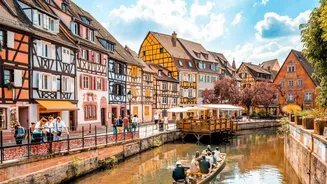
Beyond its picturesque medieval architecture, Grasse offers a deep dive into the art of perfumery. A fundamental part of any visit involves touring the historic perfume factories and distillation facilities, offering a glimpse into the production process. For a more hands-on adventure, visitors can participate in workshops, culminating in the creation of their very own signature scent. Adjacent to Fragonard in the old town lies the International Museum of Perfume, an engaging exhibition showcasing perfumery artifacts from ancient times to the present. This interactive museum features olfactory stations and a charming garden filled with botanicals essential to the fragrance industry. For an even broader perspective, the Grasse Perfume Museum, located in the nearby commune of Mouans-Sartoux, provides a more extensive exploration. While many prestigious fashion houses, such as Christian Dior, maintain private flower fields in the region, Lancôme's Domaine de la Rose is a notable exception, opening its doors for limited periods during spring and summer, though advance reservations are essential. For those seeking a more intimate encounter with fragrance, 1000 Flowers, an independent perfumer in the old town square, offers small-batch scents crafted from locally sourced, sustainable ingredients. Jessica September Buchanan, the perfumer behind 1000 Flowers, notes a preference among her clientele for lighter, fresher, and cleaner fragrances, often appealing to individuals who might not typically consider themselves perfume enthusiasts.
Culinary Delights and Stays
Complementing its olfactory attractions, Grasse offers delightful culinary experiences and a range of accommodation options. Café Fleur, a charming spot, blends a café, tea room, and boutique, offering a menu infused with floral flavors, including signature rose lattes and lavender hot chocolate, alongside Vietnamese sandwiches. Nearby, Restaurant Edelweiss provides a simple yet satisfying lunch menu of sandwiches, salads, and cakes in a cozy, old wine cellar setting. For a unique vegan dining experience, La Table de l'Olivier occupies a century-old butcher shop, boasting eclectic decor and highly recommended vegan burgers served with housemade mayonnaise, complemented by local organic beers and kombuchas. For a more refined meal, Les Tables du Marechal, a short walk from the main square and housed in a former tannery, presents a warm ambiance with vaulted stone ceilings and impressive meat and seafood dishes, with some vegetarian options available. Accommodation in Grasse is diverse; the historic center offers numerous Airbnb choices, particularly around Place Aux Aires. For those preferring a hotel, Hotel Le Victoria provides comfortable amenities like an outdoor pool and gym, while Le Mas de Grasse offers a charming, vine-covered inn with a restaurant. For a more luxurious retreat, consider a 13th-century stone dwelling within the medieval city walls or Bastide Saint-Julien, an 18th-century estate that also functions as a perfume plant.