
Market's Initial Reaction
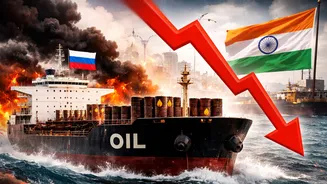
Following reports of a possible pause in the United States' response to Iran, the oil market displayed an immediate reaction, with prices dropping. This
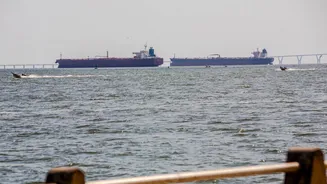
initial dip can be attributed to the market's sensitivity to geopolitical risks and its anticipation of how these factors might influence supply and demand dynamics. Investors often assess such news to adjust their positions, and in this instance, the uncertainty surrounding US-Iran relations led to a degree of selling pressure. The market's quick responsiveness to this specific news indicates a direct link between political developments and economic variables in this sector. Traders frequently look to how these events may affect production levels, trade routes, and overall supply security. Consequently, any hint of instability in the region can quickly translate into market volatility, driving short-term price fluctuations as stakeholders re-evaluate their strategies.
Geopolitical Influence Analyzed
Geopolitical factors play a pivotal role in shaping oil prices, and the evolving relationship between the United States and Iran is a key component within this larger context. The market closely watches for any shifts in policy or escalations, as these can drastically impact the supply-side dynamics. When tensions rise or diplomatic maneuvers occur, the supply chain feels the effect, as potential disruptions loom. For example, sanctions or military posturing can hinder production and transportation of oil. Simultaneously, the market is also influenced by expectations of future demand, so any signals indicating stability in a volatile region can give rise to a cooling effect. The recent pause in the US's planned response, therefore, can potentially be interpreted as a step toward reducing tensions. This can create a sentiment that decreases the likelihood of supply disruptions, which can have an overall downward influence on prices.
Investor Sentiment Shifts
Investor sentiment forms another critical aspect of this scenario. Market participants frequently adjust their positions depending on their perceptions of risk and potential gains. When political developments introduce uncertainty, investors often seek to mitigate their exposures, which leads to immediate price shifts. This can manifest through increased trading activity, as the news of the US decision to 'hold' the response to Iran generated a wave of trading, with investors looking to both protect existing investments and take advantage of the short-term fluctuations. A decision such as this can alter the perceived risk profile of the market, particularly regarding future supply-side risks. The way the financial markets interpret these news events can have a substantial impact on the way that prices behave. Also, investors’ reactions will be affected by their individual risk tolerances and investment horizons, with traders likely responding more immediately than long-term investors.
Future Market Predictions
Looking forward, the course of oil prices will be intricately linked to the unfolding geopolitical situation. Analysts are likely to scrutinize further developments in US-Iran relations, including the results of any diplomatic talks or, conversely, any sign of intensified conflict. If the situation de-escalates, the market may see a sustained stabilization or even a drop in prices, due to reduced supply risks. Conversely, should tensions intensify, the price of oil will likely experience an upward surge. Moreover, the long-term impacts will also hinge on other key variables, such as global economic growth and the production and demand dynamics within the major oil-producing regions. Investors should keep an eye on indicators of worldwide manufacturing, consumption, and any shifts in production policies, as these factors will heavily influence the supply-demand balance and, in turn, the future trajectory of oil prices. Thus, understanding the broader geopolitical background is essential for making informed predictions about market movements.