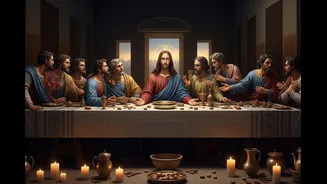







Observance and Date
Good Friday, a deeply significant Christian observance, falls on April 3rd in 2026. This solemn day is part of Holy Week and is dedicated to prayer, introspection,
and commemorating the ultimate sacrifice central to Christian belief. Its date, unlike fixed holidays, shifts annually because it's calculated based on the lunar calendar and its proximity to the Spring Equinox. For adherents of Christianity globally, this day is traditionally marked by acts of devotion such as fasting and focused prayer, serving as a period of profound spiritual reflection before the joyous celebration of Easter Sunday.
Historical Roots
The origins of Good Friday trace back to the tumultuous first century within Roman-occupied Judea. The Gospel accounts describe the arrest, subsequent trial, and ultimate condemnation to death of Jesus Christ by Pontius Pilate, the Roman governor. The crucifixion itself is narrated as having occurred at a location known as Calvary, also referred to as Golgotha. For the very first followers of Christianity, this day was not a festive occasion but rather a time of intense sorrow and abstention, marking what they considered the pinnacle of sacrifice. Over centuries, this solemn commemoration has been preserved through practices of penance, fasting, and quiet church services, upholding a strong tradition of spiritual devotion. The timing of Good Friday is intrinsically tied to the annual calculation of Easter, which also depends on the lunar cycle.
Spiritual Significance
The profound spiritual weight of Good Friday resonates deeply with Christians across the globe. This day stands as a powerful symbol of divine love, the concept of redemption, and the principle of forgiveness. It embodies the core Christian tenet that Christ's death was an act of atonement for the sins of humanity, paving the way for his resurrection three days later. Marked by prayer, fasting, and deep contemplation, Good Friday prompts believers to consider themes of selflessness, empathy, and unwavering faith. These reflections serve as a vital preparation for the renewal and hope that Easter Sunday represents, reinforcing the narrative of sacrifice followed by triumph.
Meaning of 'Good'
The etymology of the term "Good Friday" suggests that "Good" in this context carries the meaning of "holy" or "sacred." This interpretation is rooted in the theological understanding that Jesus Christ's ultimate sacrifice brought about salvation and renewed hope for humankind. This sacred act imbues the day with its profound spiritual significance, transforming what might otherwise be seen as a day of tragedy into one of divine purpose and ultimate victory over sin and death. The day's solemnity, therefore, acknowledges the transformative power of Christ's sacrifice.