



Hydration is Key
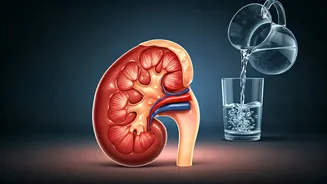
Ensuring your body receives adequate water intake is paramount for kidney function. Water acts as the primary vehicle for flushing out waste products and
toxins from your bloodstream via urine. Sufficient hydration also plays a critical role in preventing the concentration of minerals that can lead to the formation of painful kidney stones. While general recommendations suggest around 2 to 2.5 liters of water daily for most healthy adults, this can fluctuate based on environmental conditions, your physical activity levels, and any existing medical issues. A beneficial practice is to sip water consistently throughout the day rather than consuming large volumes in a single sitting, ensuring a steady and effective filtration process for your kidneys.
Manage Blood Pressure
Elevated blood pressure stands as one of the principal culprits behind kidney impairment. Over time, persistent high pressure can inflict severe damage upon the delicate network of small blood vessels within the kidneys, which are essential for filtering waste. Given that hypertension often goes unnoticed until significant damage has occurred, consistent monitoring is indispensable. Keeping your blood pressure ideally around 130/80 mmHg, or as prescribed by your physician, is crucial not only for kidney preservation but also for bolstering your heart's health, thereby mitigating risks for both vital organs.
Control Blood Sugar
Diabetes remains the leading global cause of chronic kidney disease. When blood sugar levels consistently remain high, they can progressively damage the intricate filtering structures within the kidneys, ultimately culminating in diabetic kidney disease. For individuals managing diabetes, diligent regular monitoring of glucose levels, adherence to prescribed dietary plans and medications, and undergoing periodic kidney function assessments are vital for early detection and intervention against any developing kidney damage.
Mind Your Salt
Consuming excessive amounts of salt can significantly elevate blood pressure and place an increased burden on your kidneys as they strive to maintain fluid balance within the body. It is advisable to limit your daily sodium intake to under 5 grams to support both cardiovascular and kidney wellness. Additionally, it is important to be cautious with salt substitutes, particularly those containing potassium, as they may pose risks for individuals with pre-existing kidney conditions or those on certain medications, potentially exacerbating their condition.
Painkiller Prudence
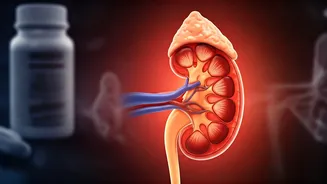
The regular or prolonged consumption of over-the-counter pain relievers, especially non-steroidal anti-inflammatory drugs (NSAIDs), can impede blood flow to the kidneys and gradually harm kidney tissue. While occasional use under professional medical supervision might be deemed safe, it is strongly advised to refrain from self-medicating for common ailments like headaches, joint pain, or general body aches on a consistent basis. Always seek guidance from a healthcare provider before embarking on extended use of such medications to avoid unintended renal consequences.
Healthy Weight Matters
Carrying excess body weight heightens the risk of developing conditions like diabetes, hypertension, and metabolic imbalances, all of which exert undue pressure on the kidneys. Achieving and maintaining a healthy body weight through a combination of balanced nutrition and consistent physical activity can substantially reduce the probability of developing kidney disease. This lifestyle approach also contributes positively to overall metabolic function and general well-being.
Embrace Exercise
Incorporating regular physical activity into your routine offers numerous benefits for kidney health. Exercise aids in improving blood circulation, assists in regulating both blood pressure and blood sugar levels, and is a cornerstone of effective weight management. Aiming for at least 30 to 45 minutes of moderate exercise, such as brisk walking, cycling, or swimming, approximately 4 to 5 days per week can significantly contribute to the long-term health and efficiency of your kidneys.
Supplements Caution
Many dietary supplements and herbal remedies available without prescription are not subject to stringent regulatory oversight and may contain ingredients that could be detrimental to kidney function. Certain herbal concoctions can also interfere with the efficacy of prescribed medications. It is imperative to disclose any supplements you intend to take to your doctor, especially if you have underlying health concerns, to prevent adverse interactions or kidney strain.
Smoking & Alcohol Limits
Engaging in smoking has a detrimental effect on kidney health by reducing blood flow to these vital organs and accelerating tissue damage. It also amplifies the risks associated with high blood pressure and cardiovascular diseases. By significantly limiting alcohol consumption and abstaining from tobacco products altogether, you can take substantial steps to protect your kidney function and enhance your overall health profile.
Regular Check-ups
Kidney disease frequently progresses silently in its initial stages, often without apparent symptoms, making early detection challenging. Regular screening tests are crucial for identifying potential problems before they escalate into severe conditions. Key diagnostic tools include serum creatinine level checks, urine protein analysis, and consistent blood pressure monitoring. Individuals with pre-existing conditions like diabetes or hypertension, or those with a family history of kidney ailments, should be particularly diligent about scheduling periodic kidney health assessments.