






Cherished Photos
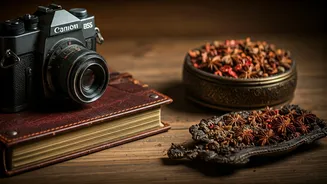
Safeguarding your precious memories is paramount, and plastic containers are surprisingly detrimental to old photographs. Experts warn that fluctuations
in temperature and humidity within plastic bins can wreak havoc on the delicate paper over time. This often results in visible signs of degradation, such as discoloration, yellowing, or fading. In severe cases, photos might even stick together, rendering them damaged beyond repair. To prevent this artistic tragedy, consider digitizing your valuable snapshots for digital preservation. For the physical copies, invest in acid-free photo boxes, which provide a stable environment to maintain their original quality for years to come. These specialized containers are designed to protect against the environmental stressors that plastic readily allows in, ensuring your photographic legacy remains intact and vibrant.
Leather & Suede Items
Your stylish leather and suede possessions, particularly handbags, are also vulnerable when tucked away in plastic. Professional organizers highlight a significant risk: moisture. If any dampness is present inside the container, or if the storage area itself is humid, these expensive items can quickly develop mold and an unpleasant odor. This is due to the non-breathable nature of plastic, which traps moisture. The recommended alternative is to store these items in their original dust bags, which are designed to offer protection while allowing some airflow. Alternatively, a well-ventilated space, like the top shelf of a closet, serves as an excellent, accessible storage solution, encouraging regular use and reducing the likelihood of neglect-related damage.
Delicate Electronics
Beyond aesthetics and sentimental value, the integrity of your electronics can also be compromised by plastic storage. Items like old cell phones, batteries, or cameras are susceptible to permanent damage from the fluctuating moisture levels often trapped within plastic containers. Even a small amount of dampness can lead to corrosion, rendering these devices unusable. Experts advise storing electronics in a cool, dry environment to mitigate these risks. However, a more sustainable and practical approach for outdated gadgets is to donate them. Remember to thoroughly wipe all personal data from phones and refrain from donating memory cards containing photos, ensuring both your privacy and the device's usability for its next owner.
Warm Foods
Storing hot food directly in plastic containers presents a dual threat. Firstly, the heat can cause lower-quality or older plastic to melt or warp, potentially ruining the container. More critically, as the plastic degrades under heat, it can leach harmful chemicals directly into your food. Food safety experts emphasize that this is particularly concerning with leftovers, where prolonged contact increases the risk of contamination. To ensure safety and prevent chemical transfer, it's best to allow food to cool down significantly before transferring it to plastic. Even better, opt for alternative storage materials like glass or stainless steel, which are not only safer but also more durable and reusable, making them superior choices for everyday food storage.
Greasy & Saucy Foods
Certain food items, especially those with high fat content or vibrant sauces, can cause persistent issues when stored in plastic. Foods like tomato sauce, curry, or even cheese can stain plastic containers permanently, leaving behind stubborn residues and lingering odors that are incredibly difficult to eliminate, even after thorough washing. Beyond the aesthetic and olfactory challenges, fatty foods can also interact with the plastic on a chemical level. The fats act as solvents, potentially drawing toxins directly from the container into the food. For these types of foods, experts strongly recommend using glass or stainless steel containers, which are non-reactive and much easier to clean, ensuring both the purity of your food and the longevity of your storage solutions.