



Incorporate Leafy Greens
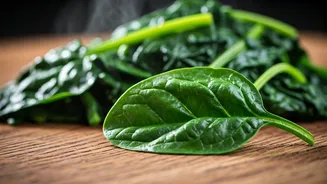
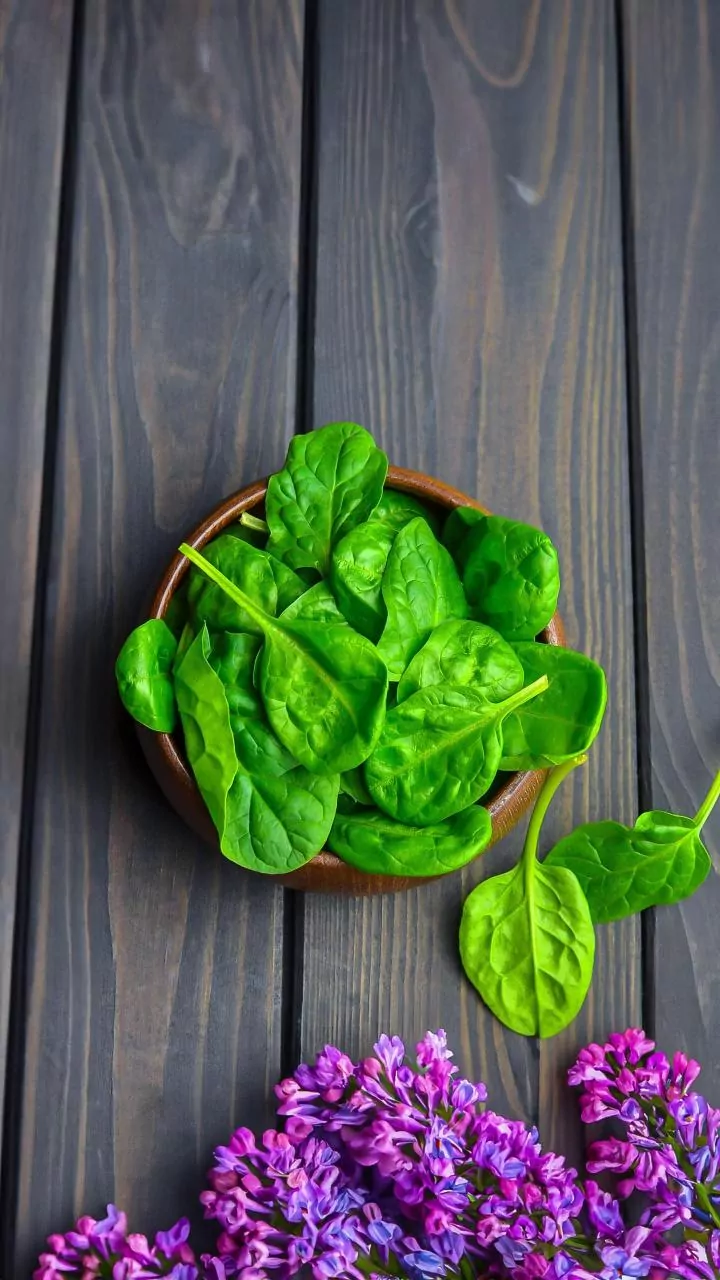
Elevate your dinner by seamlessly integrating leafy greens, moving beyond traditional salads. Consider adding a handful of nutrient-dense greens like spinach,
arugula, kale, or collard greens to dishes such as grain bowls, tacos, pizzas, or pasta creations. These dark leafy vegetables are packed with antioxidants, including vitamin C and beta-carotene, which combat oxidative stress. They also provide essential magnesium and fiber, both crucial for managing inflammation levels in the body. By incorporating these greens, you significantly enhance the nutritional value of your evening meal without drastically altering your cooking habits, making it a simple yet impactful step towards better health.
Leverage Nutrient-Rich Toppings
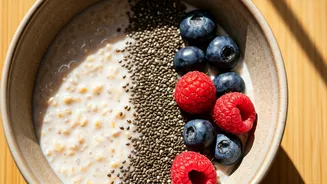
Enhance both the flavor and the anti-inflammatory properties of your dinner by strategically adding nutrient-dense toppings. Incorporating elements like walnuts or almonds not only adds a satisfying crunch but also provides compounds linked to reduced inflammation. Berries, whether tossed into a salad or served as a light dessert, offer a wealth of antioxidants and fiber. This fiber is instrumental in maintaining stable blood sugar levels and promoting a healthy gut microbiome, both critical factors in regulating bodily inflammation. These simple additions can transform a meal from ordinary to extraordinary, making it more appealing and nutritionally robust.
Swap Fat Sources
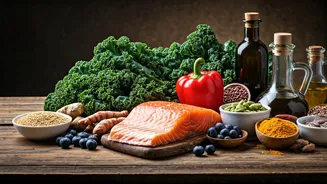
Significantly improve the anti-inflammatory potential of your dinner by consciously replacing saturated fats with unsaturated ones. Opting for healthy fats found in olive oil, avocados, nuts, and seeds can contribute to a healthier cardiovascular profile. Make the switch by cooking with oils like olive, canola, or avocado instead of butter, or by using avocado or hummus as a substitute for mayonnaise or cheese. Consider choosing fish over fatty red meats, or incorporating nuts into dishes like tacos or pasta sauces to reduce saturated fat intake. These adjustments not only benefit your health but also introduce diverse and appealing textures and flavors to your meals.
Flavor with Herbs & Spices
Enhance the taste of your meals while simultaneously boosting their anti-inflammatory benefits by embracing the power of herbs and spices. Instead of relying heavily on salt, which can detract from a meal's healthfulness, experiment with flavorful additions like turmeric, ginger, garlic, and rosemary. These ingredients not only add depth to your cooking but are also recognized for their anti-inflammatory properties. Research suggests that incorporating a daily blend of spices can positively impact markers of inflammation. Exploring different herbs and spices can be an enjoyable culinary adventure, allowing you to discover new flavor profiles that align with your health goals.
Master the Plate Method
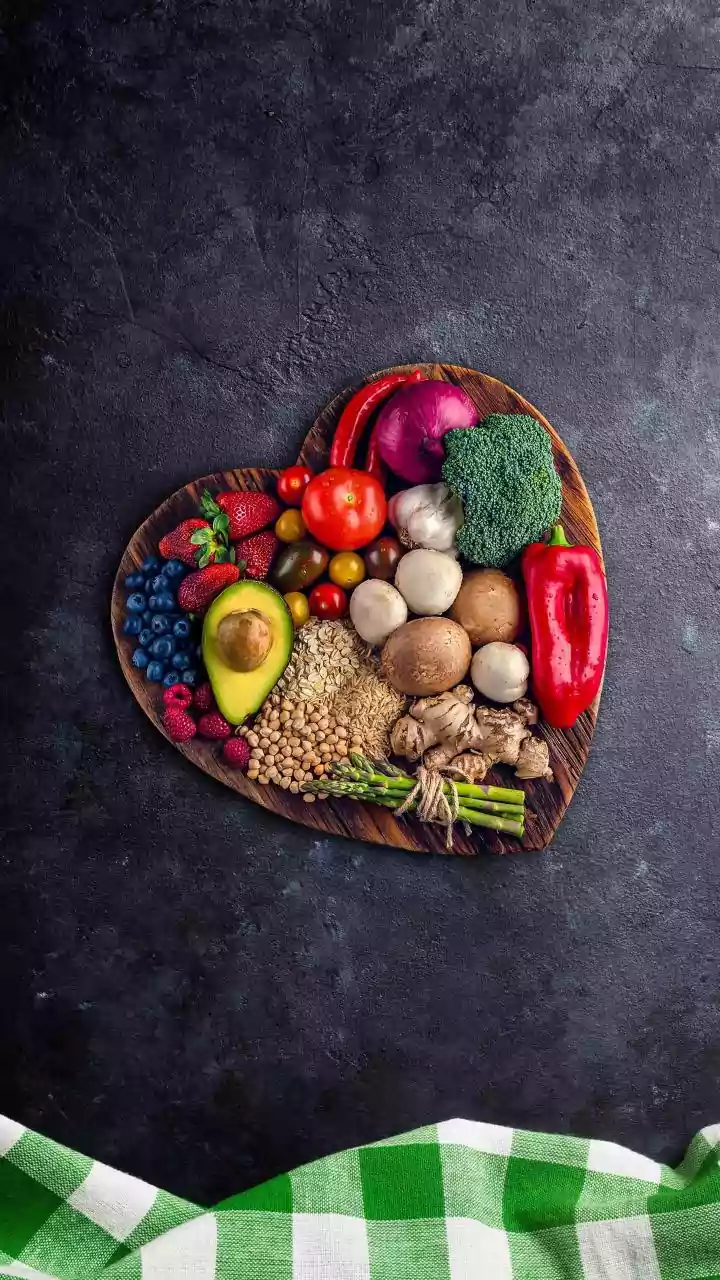
Utilize the intuitive 'plate method' to guide your meal composition for maximum anti-inflammatory impact. This simple visual approach suggests filling half your plate with vegetables, dedicating one quarter to lean protein sources like fish, beans, or tofu, and the remaining quarter to carbohydrates. By adhering to this structure, you naturally diversify your food intake and create opportunities to incorporate more nutrient-dense, anti-inflammatory foods. Aiming for at least two different vegetables and including plant-based proteins like beans or lentils further amplifies the nutritional benefits, prioritizing whole, unprocessed foods over those high in added sugars or refined ingredients.