






The Nocturnal Enigma
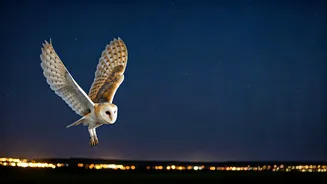
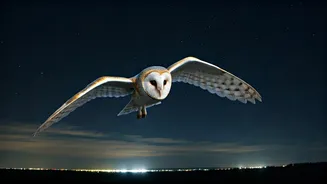
Most birds are naturally programmed to be diurnal, meaning their active periods are during daylight hours, and they typically rest at night. This biological
inclination suggests that late-night chirping might seem unusual. However, observations, particularly in bustling urban landscapes, reveal that these nocturnal vocalizations are becoming increasingly common. This phenomenon prompts a deeper look into the factors that might be disrupting these feathered creatures' natural sleep-wake cycles. As Aksheeta Mahapatra from the Ataavi Bird Foundation notes, while most birds adhere to a diurnal pattern, the urban environment presents unique challenges that can lead to unexpected activity after dark, challenging our conventional understanding of avian behavior.
Triggers for Night Calls
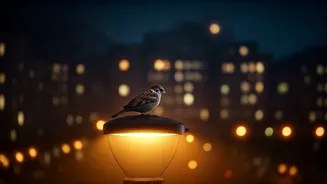
Several environmental factors can provoke birds to vocalize during the night. Sudden, unexpected noises such as loud vehicle horns, the startling burst of fireworks, the presence of predators, or even the movement of stray animals can trigger alarm calls. This response, known as disturbance-triggered vocalization, is a direct reaction to perceived threats that interrupt their rest. Furthermore, artificial lighting prevalent in cities plays a significant role. Bright streetlights and illuminated buildings can create a false sense of prolonged daylight, confusing birds' internal biological clocks. This constant exposure to artificial light disrupts natural light cycles, which are crucial for regulating sleep patterns, hormonal fluctuations, and readiness for breeding or migration. These disruptions can lead to sporadic calling even outside their usual active hours, as Mahapatra points out, especially when hormonal cues related to the breeding season are present.
Mating, Territory, and Stress
The reasons behind a bird's late-night singing can be multifaceted, often relating to mating, territorial defense, or stress. During the breeding season, male birds frequently sing to attract potential mates and to assert their territorial claims over specific areas. In noisier urban settings, some species find it advantageous to extend their singing hours into the night. They do this to avoid interference from daytime noise and to ensure their songs can travel further in the quieter nocturnal environment, thus increasing their chances of attracting a mate or warning off rivals. Conversely, sudden artificial disturbances, like construction noise or intense light flashes, can elicit stress or alarm calls. Mahapatra highlights that prolonged exposure to constant illumination can lead to a cascade of unusual avian behaviors, including earlier waking, later sleeping, premature dawn choruses, increased energy expenditure, and elevated stress hormone levels over time. From a conservation standpoint, such sustained disruption of circadian rhythms can negatively impact breeding success and the overall long-term fitness of bird populations.
Urban Avians Vocalizing
Certain bird species are more predisposed to vocalizing after midnight, particularly those that have successfully adapted to urban ecosystems. These typically include naturally vocal birds that are territorial during their breeding periods and exhibit a general comfort level in roosting in close proximity to human settlements. Prominent examples of such species frequently observed in illuminated urban areas include the Asian Koel, especially during its breeding season, the Common Myna, the House Crow, the Rock Pigeon, and the Red-vented Bulbul. Therefore, the next time you hear a bird singing in the dead of night, it might not be an anomaly. It could very well be a bird's adaptive response to urban environmental cues like artificial light and noise, hormonal influences, or simply a testament to wildlife's remarkable ability to adjust to cities that seldom truly fall silent.