




Why Preserve Food?
Preserving food is a culinary cornerstone, ensuring that nature's bounty is accessible beyond its peak freshness. This practice not only combats waste
but also unlocks a spectrum of enhanced flavors and textures that fresh ingredients might not possess. Historically, preservation was a matter of survival, allowing communities to store produce and meats through lean seasons, averting scarcity and famine. Today, it offers a way to capture seasonal tastes, reduce household food spoilage, and create pantry staples that are both economical and delicious. From drying and smoking to fermenting and canning, the methods employed are as diverse as the foods they protect, each contributing to a richer, more sustainable food culture by transforming raw ingredients into long-lasting delicacies.
The Magic of Pickling
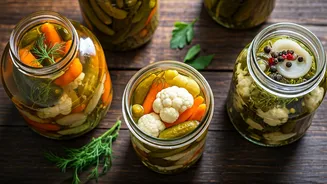
Pickling stands out as a remarkably versatile and flavorful preservation method, transforming ordinary ingredients into tangy, zesty delights. This process primarily relies on either acidic brines, typically vinegar-based, or a natural fermentation driven by lactic acid bacteria. Both approaches create an environment hostile to spoilage microorganisms while simultaneously developing complex flavor profiles. Vinegar pickling is generally quicker, imparting a sharp, clean acidity, ideal for quick pickles like onions or cucumbers. Fermentation, on the other hand, is a slower, more nuanced transformation where beneficial bacteria consume sugars and produce lactic acid, resulting in a deeper, more complex, and often probiotic-rich product. This age-old technique has been used across cultures to preserve everything from vegetables and fruits to even meats and eggs, demonstrating its adaptability and enduring appeal.
Key Ingredients & Process
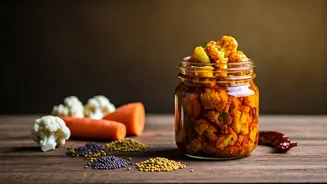
Embarking on the pickling journey requires a few fundamental components and a grasp of the basic steps. At its core, pickling involves submerging food items in a preserving liquid. For vinegar-based pickles, the brine typically consists of vinegar (white, apple cider, or wine vinegars are common), water, salt, and sugar, often enhanced with a symphony of spices like dill, mustard seeds, peppercorns, coriander, and bay leaves. For fermented pickles, the primary ingredients are simply the produce and salt, which draws out moisture and kickstarts the fermentation. The process usually involves washing and preparing the food, packing it tightly into sterilized jars, and then pouring the prepared brine or brine solution over it. For quick pickles, they are often ready to eat after a short chilling period, while fermented pickles require patience, often weeks, to develop their characteristic tang and preservation qualities. Sterilization of jars is crucial to prevent unwanted microbial growth and ensure longevity.
Beyond Vegetables
While cucumbers are perhaps the most iconic pickled food, the art of pickling extends far beyond this familiar treat, encompassing a vast array of fruits, meats, and even dairy products. Many fruits, like lemons, cherries, and watermelon rinds, take beautifully to pickling, offering a delightful sweet-and-sour contrast perfect for relishes or garnishes. In various cuisines, meats such as pork or chicken are also pickled, often for extended preservation and a unique flavor infusion. Even eggs can be pickled, becoming firm, flavorful spheres ideal for snacking or adding to salads. The fundamental principles remain the same: creating an environment that inhibits spoilage while allowing desirable flavors to develop. Experimenting with different bases – be it vinegar, brine, or even spiced oils – and a wide selection of aromatics opens up a universe of taste possibilities for these less conventional pickled items.