


Choose the Right Variety
When cultivating tomatoes in confined areas, understanding the differences between plant types is paramount. Vining (indeterminate) varieties, such as Sun
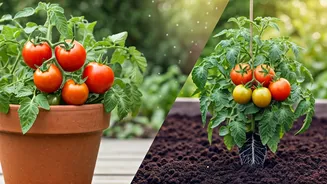
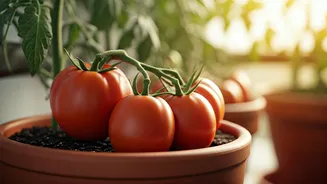
Gold or Juliette, are characterized by their extensive growth, often reaching up to 9 feet in height. These sprawling plants demand substantial support structures and are generally less suited for containers or restricted garden plots. Conversely, determinate varieties, frequently referred to as bush tomatoes, present a more manageable growth habit, making them ideal candidates for cultivation in pots and smaller spaces where their size can be more easily controlled. Opting for these bush types will greatly simplify your small-space gardening endeavors.
Nourish Your Plants
Tomatoes are known for being heavy feeders, a trait that becomes even more pronounced when they are grown in containers. To ensure healthy development and a fruitful harvest, regular feeding is essential, potentially on a monthly basis or even more frequently in porous soils like sandy ones. Fortunately, you don't need to resort to excessive amounts of fertilizer. A simple yet effective approach is to incorporate a small amount of organic vegetable fertilizer directly into the planting hole at the time of transplanting. Mixing this organic food thoroughly with the soil provides your tomato plant with the necessary nutrients to thrive without encouraging unruly, oversized growth.
Prune for Growth
Pruning is a vital technique for successfully growing tomatoes in limited environments. Tomato plants possess remarkable resilience, capable of withstanding significant pruning while still yielding a generous harvest. By guiding the plant's growth to a single main vine, you can effectively conserve valuable space. Employing a tomato cage or a stake can provide the necessary vertical support for this pruned vine, encouraging upward growth. These vertical supports, whether they are stakes or cages, are indispensable tools for maximizing space utilization in any small garden setting, allowing you to manage your plants efficiently.
Maximize Sunlight Exposure
Tomatoes are inherently sun-loving plants, requiring a minimum of six to eight hours of direct sunlight daily to produce sweet, ripe fruits. In urban settings, particularly around tall structures, achieving this level of sun exposure can be challenging. It is therefore crucial to observe your available space throughout the day to identify the area that receives the most consistent and intense sunlight. Prioritize locations such as south- or west-facing balconies, windowsills, or rooftops, and arrange your containers strategically to capture maximum solar energy. For those unable to dedicate a fixed spot, consider placing plants on movable carts to follow the sun's path or utilize grow lights as an alternative.
Quality Pots and Soil
The choice of containers and soil quality plays a significant role in the success of tomato plants, especially in constrained spaces. Substandard soil or inadequate drainage, such as using pots without drainage holes, can lead to serious issues like root rot, nutrient deficiencies, and stunted plant growth. It is advisable to select containers made from materials like terra-cotta or plastic, ensuring they possess ample drainage holes. For the potting mix, opt for a blend specifically formulated for vegetables or seedlings. To further enhance soil health, consider enriching it with compost, coarse sand, perlite, or coconut fiber to improve both water retention and nutrient availability.
Eradicate Weeds
While weeds are generally undesirable in any garden, their presence becomes particularly problematic when growing tomatoes in small beds. Promptly removing all weeds and thoroughly tilling the soil is essential for optimal plant health. To boost the bed's fertility, incorporate compost into the soil. If you are dealing with heavy, clay-rich soil, adding coarse sand will help lighten the soil structure, making it more porous and conducive to healthy root development. Following these diligent practices will pave the way for robust and productive tomato plants, even in the most compact garden areas.