






A Disturbing Visual
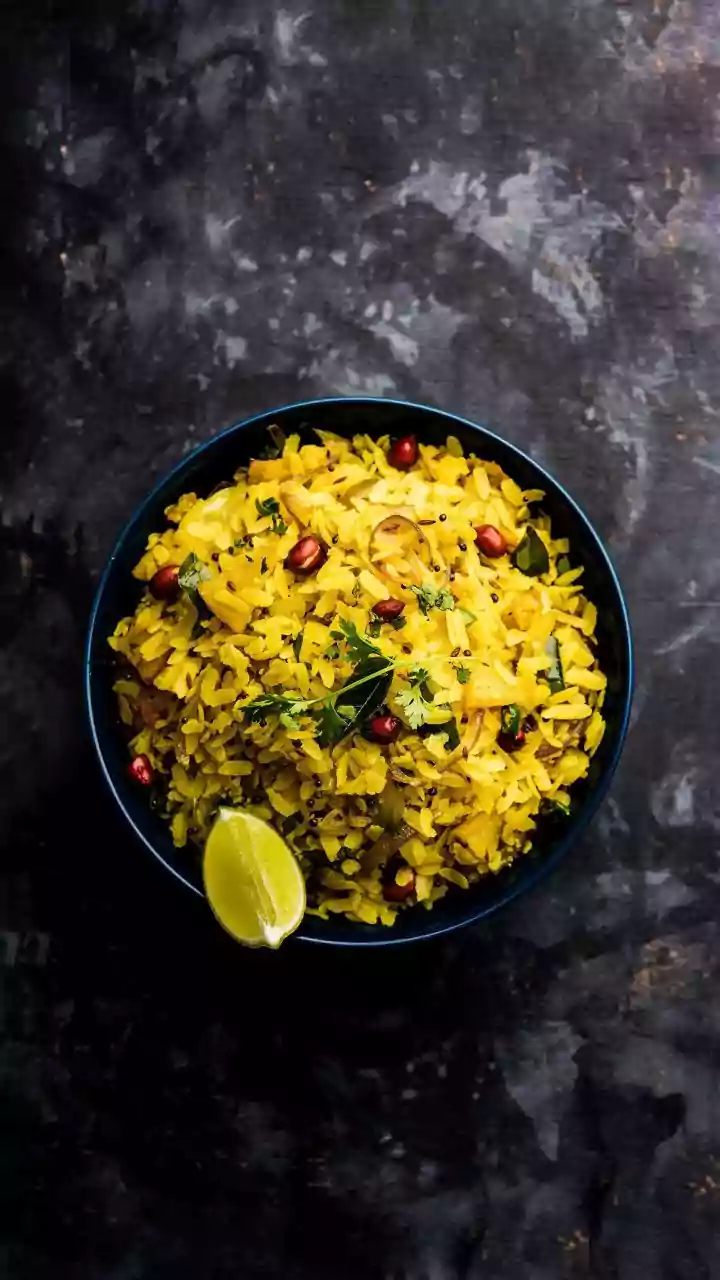
A recent viral video has ignited widespread concern, showcasing shockingly unhygienic conditions within a facility purportedly producing packaged poha.
The footage captures workers directly handling the flattened rice with bare hands, scooping it from a large mound on the floor and stuffing it into packaging. This stark contrast between the pristine appearance of the final product on store shelves and the depicted preparation methods has deeply unsettled consumers. The video vividly illustrates a significant disconnect between outward presentation and the actual manufacturing environment, prompting immediate questions about the integrity of food safety standards and the efficacy of regulatory oversight. The visual evidence suggests a serious lapse in basic sanitation, undermining consumer trust in pre-packaged food items that are often perceived as safe and convenient choices for daily consumption, particularly breakfast.
Inside the Production
The video meticulously documents the grim reality of the poha production process. It appears to have been filmed in a storage-like area, cluttered with large sacks of ingredients. The central focus is a substantial heap of poha spread directly onto the bare floor, without any protective sheeting or trays. Two men are seen actively engaged in the packaging operation. One individual, wearing a light-colored T-shirt, is positioned directly on the poha, scooping it with his un gloved hands and filling green plastic packets. The lack of personal protective equipment like gloves, hairnets, or masks is evident, and fragments of poha are visible clinging to his clothing. Adjacent to him, another worker in a blue shirt utilizes a small sealing machine to close the packets, which are then piled up. A weighing scale is also present, presumably to ensure each package meets the designated weight. The camera pans to reveal the sheer volume of poha exposed to the environment, before zooming in on stacks of ready-to-sell packets that present a deceptively clean image.
Public Outcry and Concern
Following its release on February 18th, the video rapidly gained traction, accumulating over two lakh views and triggering an intense online debate. The overwhelming sentiment expressed in the comments section was one of profound upset and dismay. Many viewers highlighted the critical importance of safe food handling practices to prevent contamination and safeguard public health. A recurring theme was the concern that a focus on affordability might lead some manufacturers to compromise on quality and hygiene. Disappointment was a palpable emotion, with one commenter poignantly remarking, 'And we eat this first thing in the morning.' Another observer succinctly captured the prevailing sentiment by stating, 'fancy packaging outside, questionable hygiene inside.' The incident transcended the specific product, igniting a broader conversation about food safety protocols, the level of trust consumers place in brands, and the actual enforcement of food safety regulations by authorities such as the Food Safety and Standards Authority of India (FSSAI).
Broader Implications
This incident serves as a stark reminder of the potential discrepancies between the polished image presented by food manufacturers and the often unglamorous reality of their production environments. The viral video has underscored a critical need for enhanced vigilance and transparency within the food industry. It raises pertinent questions about the effectiveness of current inspection mechanisms and the accountability of businesses that falter in maintaining basic hygiene standards. For consumers, this serves as a wake-up call, encouraging a more critical evaluation of packaged goods and a greater awareness of the journey food takes from production to their plates. Ultimately, the case highlights that the perceived trustworthiness of a product based on its packaging or brand reputation may not always align with the actual conditions under which it was prepared, necessitating a deeper understanding and demand for verifiable food safety assurances.