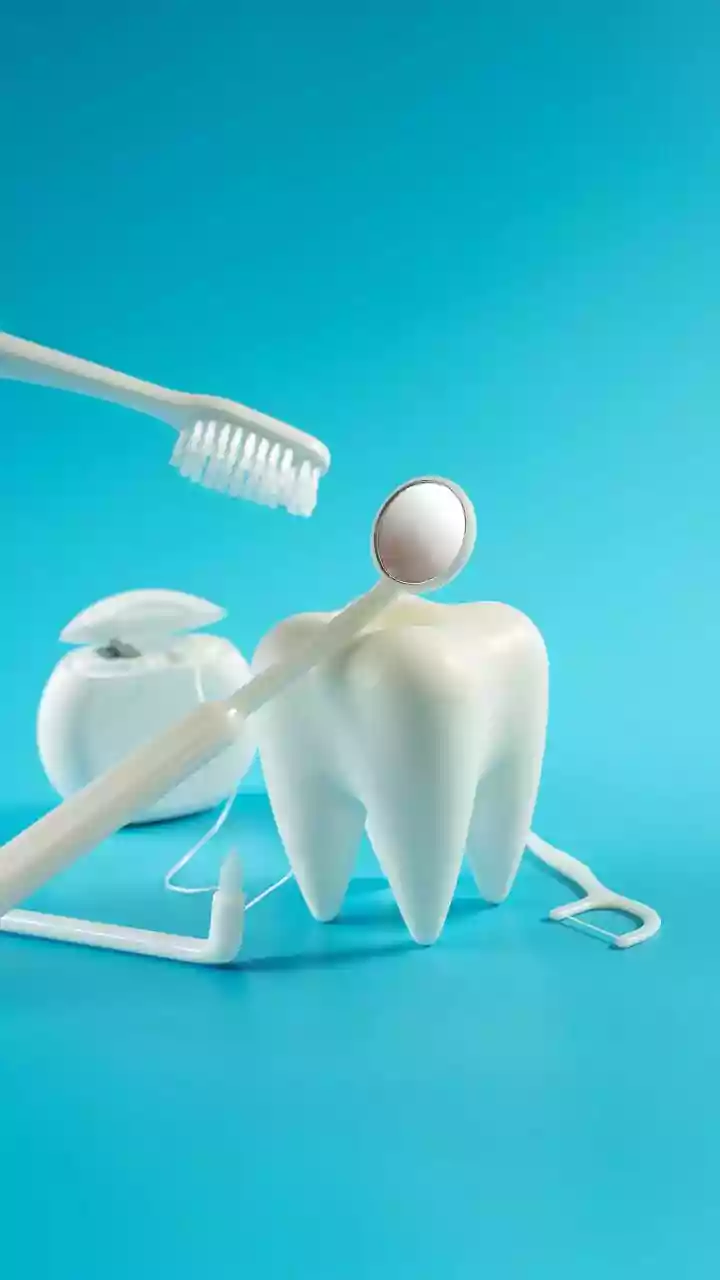

Brush Effectively, Daily
The cornerstone of a healthy mouth is effective brushing. Dental experts strongly advocate brushing twice a day, every day. This simple routine is not
just about aesthetics; it's a vital defense against plaque buildup. Plaque, a sticky film of bacteria, is the primary culprit behind cavities and gum disease. By brushing thoroughly, you're physically removing plaque from your teeth and gums. Remember to use a soft-bristled toothbrush to avoid damaging your enamel, and brush for a full two minutes each time, covering all surfaces of your teeth. The angle of your brush is also important; gently angle the bristles towards your gum line to dislodge plaque in this crucial area. Consider using fluoride toothpaste, as it strengthens tooth enamel, making it more resistant to decay. Consistent, correct brushing is the first line of defense in maintaining optimal oral health. Make sure that you are replacing your toothbrush every three to four months, or sooner if the bristles become frayed. Brushing with a worn-out toothbrush is less effective at removing plaque and debris.
Floss Daily to Clean
Brushing, though fundamental, cannot reach every nook and cranny of your mouth. This is where flossing comes into play. Dental professionals advise flossing at least once a day to remove food particles and plaque from between your teeth and under your gumline, areas that your toothbrush simply cannot access. Flossing is a crucial step in preventing gum disease, such as gingivitis and periodontitis, which can lead to tooth loss. If plaque is not removed, it hardens into tartar, which is a breeding ground for bacteria and can only be removed by a dentist. The act of flossing stimulates the gums, which further promotes blood flow and keeps them healthy. When you floss, make sure to use a gentle sawing motion and reach below the gum line to clean the entire tooth surface. Don't simply snap the floss between your teeth; take your time and be thorough. Consider using different types of floss, such as waxed or flavored, to find the one that best suits your needs and encourages regular flossing. Consistent flossing, coupled with brushing, will dramatically enhance your oral hygiene and contribute to a healthier mouth.
Limit Sugary Snacks
Your diet plays a significant role in the health of your teeth and gums. Dental experts emphasize the importance of limiting your intake of sugary foods and drinks. Sugar is the primary fuel for the bacteria in your mouth, and these bacteria produce acids that erode tooth enamel, leading to cavities. Snacks, candies, soda, and processed foods with high sugar content should be consumed sparingly. Each time you consume sugar, your teeth are subjected to an acid attack that can last for up to 30 minutes. Therefore, frequent snacking on sugary items prolongs the acid exposure and increases the risk of tooth decay. Choose healthier snacks, such as fruits, vegetables, nuts, and yogurt, to satisfy your cravings while protecting your teeth. Drinking water, especially after meals and snacks, helps to rinse away food particles and neutralize acids, further safeguarding your oral health. Be mindful of hidden sugars in processed foods and beverages and make informed dietary choices to support your overall well-being and protect your teeth.
Regular Dental Checkups
Proactive dental care involves more than just brushing and flossing; it also necessitates regular visits to the dentist. Dental professionals recommend check-ups and cleanings every six months, or as advised by your dentist. These appointments are crucial for preventing and detecting dental problems early. During these visits, your dentist will examine your teeth and gums for signs of cavities, gum disease, and other issues. Professional cleanings, performed by a dental hygienist, will remove plaque and tartar that brushing and flossing cannot eliminate, helping to prevent cavities and gum disease. X-rays may be taken to identify problems that are not visible to the naked eye, such as cavities between teeth or infections in the jawbone. Your dentist can offer personalized advice on improving your oral hygiene practices and address any concerns you may have. Early detection and treatment of dental problems can save you from pain, costly procedures, and potential tooth loss. Consistent dental check-ups are an investment in your long-term oral health and overall well-being.
Consider Fluoride Treatments
To further fortify your teeth and bolster your oral health, dental experts often recommend fluoride treatments. Fluoride is a naturally occurring mineral that strengthens tooth enamel, making it more resistant to acid attacks from bacteria. It also helps to reverse early signs of tooth decay. Fluoride treatments can be administered in various forms, including professionally applied fluoride varnishes, mouth rinses, and toothpastes. Professional fluoride treatments, applied by your dentist, provide a higher concentration of fluoride and offer enhanced protection. If you are at a higher risk of developing cavities, your dentist may suggest fluoride supplements or a prescription-strength fluoride toothpaste. For children, fluoride is especially important during the development of their permanent teeth, as it helps to ensure they are strong and resistant to decay. Additionally, fluoride is beneficial for adults, as it can help prevent root caries (cavities on the root surfaces of teeth) that are often associated with gum recession. Consult with your dentist to determine if fluoride treatments are appropriate for your individual needs and how they can best contribute to your oral health.