






Initial Visual Inspection
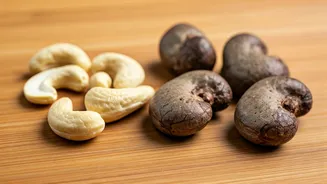
Begin by closely examining the cashews' appearance. Authentic cashews generally exhibit a crescent-moon shape, which is a telltale sign of their genuine
form. Pay attention to their size; real cashews usually are of a consistent size, avoiding drastic variations within the batch. The color offers another clue; genuine cashews should present a uniform, creamy hue without any spots or unusual shades. These visual checks provide a first step in validating the nuts, serving as a rapid indicator of their potential genuineness. Observing these preliminary aspects can help you filter out cashews that don't match these standards, thus moving you towards options that are more likely to be authentic.
Assess the Texture
The texture of cashews reveals a great deal about their authenticity. Authentic cashews have a firm, yet slightly yielding texture when gently squeezed. They shouldn't feel overly hard, which might suggest they’re not properly processed or, in some cases, might indicate they’ve been treated in an undesirable manner. Conversely, avoid cashews that seem overly soft or mushy, as this can be a sign of moisture exposure, age, or potential spoilage. When inspecting cashews, the sensation under your fingers provides immediate feedback about their quality, ensuring that the nuts are in prime condition, which directly affects both taste and the overall experience.
Check for Uniformity
Another straightforward test to determine the genuineness of cashews is to examine the consistency of their shape and color. Genuine cashews typically display a uniformity in appearance; this indicates that they have been processed and stored appropriately. If you notice any drastic differences in color, such as dark spots or uneven shades, these are red flags. Similarly, if the batch includes nuts with unusual shapes or significant size variations, it could indicate inconsistencies in processing or possibly the presence of different nut types. Uniformity suggests that the cashews are of high quality and have been handled with care throughout the supply chain, ensuring a more pleasurable culinary experience.
The Smell Test
Employing your sense of smell provides crucial insight into the quality of cashews. Authentic, fresh cashews should have a subtle, nutty aroma that's pleasant and not overpowering. A rancid or stale smell is a significant indication of poor quality or age, meaning the cashews might not be safe to consume. Similarly, if there's any unusual odor, like a chemical smell, it should be regarded as a warning sign. Before consuming, gently sniff a handful of cashews. If the smell is off, it's wise to avoid purchasing or consuming them. The olfactory test is an essential check, as it directly relates to both the enjoyment of the taste and the absence of any potential health risks.
Conduct a Taste Test
The ultimate test to evaluate cashew authenticity is through taste. Begin by sampling a few cashews. Genuine cashews should have a sweet, buttery flavor. They should not taste bitter or overly oily, which could indicate rancidity. A fresh cashew will provide a satisfying crunch that quickly reveals the nut’s freshness and processing quality. Any strange aftertastes, such as a metallic or chemical flavor, should raise immediate concerns and suggest a lack of quality. The taste test confirms that the cashews are indeed what they are claimed to be, providing an assurance of quality and safety for consumption. Always trust your palate; if something doesn’t taste right, it’s best to avoid it.
Consider the Price
The price of cashews provides an additional clue about their authenticity. Real cashews are generally more expensive due to their production and sourcing. If the price of a cashew product seems exceptionally low compared to the market average, it could indicate that they are not genuine. In the food industry, very low prices can often correlate with cheaper ingredients, inferior processing techniques, or the potential for additives. Always compare the price to the market value. When considering the price of cashews, compare it with known authentic sources. If a deal seems too good to be true, it might very well be, which can safeguard against the purchase of substandard or counterfeit products.
Buy from Trusted Sources
The most effective method of securing authentic cashews involves buying them from reliable sources. Select established brands or retailers with a solid reputation for quality and who are known for selling genuine nuts. Always check product reviews, particularly from sources that assess the authenticity and the quality of their products. Moreover, you could also verify the source's practices, such as how they handle the sourcing, processing, and storage of the cashews. Buying from a known source, be it online or offline, reduces the likelihood of buying counterfeit or low-quality cashews. This practice enhances consumer confidence and ensures you are enjoying premium cashews, contributing to an overall more pleasurable culinary experience.