






A Pink Spectacle
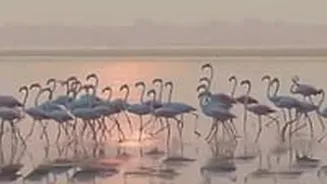
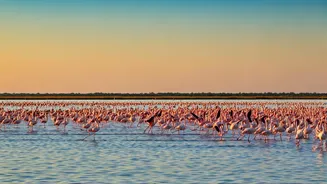
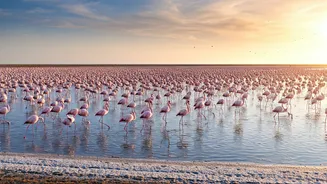
The Rann of Kutch is currently a breathtaking sight, painted in an astonishing shade of pink due to a record congregation of over 10 lakh flamingos. Viral
drone footage has captured this incredible natural phenomenon, drawing widespread attention. This massive influx isn't just a beautiful display; it signifies a notable shift in India's bird migration patterns. While other popular wetlands like Thane Creek, Pulicat Lake, Sewri Mudflats, and Sambhar Lake are experiencing fluctuating flamingo numbers, the mudflats of Kutch are seeing unprecedented growth. This makes the Rann of Kutch the new epicentre for flamingo migration within India, offering a compelling ecological narrative behind the visual wonder. The very presence of these birds acts as a vital indicator of the ecosystem's health.
Kutch's Allure
The magnetic pull of Kutch for flamingos can be attributed to a perfect trifecta: water availability, abundant food, and ample space, all balanced within its unique arid-to-wetland environment. Following the monsoon season, the Rann transforms as rainwater mixes with the area's inherent salinity. This creates nutrient-rich, shallow water bodies teeming with blue-green algae and brine shrimp – the flamingos' staple diet, which, incidentally, imparts their iconic pink coloration. Equally vital is the relative lack of disturbance in Kutch compared to more urbanized wetlands. The continued efforts of forest authorities to patrol and protect nesting sites further enhance its appeal, making it a safe haven for these migratory birds seeking refuge and sustenance away from human interference.
A City of Salt
The Great Rann of Kutch, often dubbed 'Flamingo City,' spans a vast, seasonal wetland stretching for nearly 30 kilometers. It stands as the sole regular breeding ground for greater flamingos in South Asia. In areas like the mudflats near Kala Dungar, flamingos meticulously construct cone-shaped nests from compacted soil, elevating them just a foot or two to safeguard against unexpected floods. Their survival in this dynamic landscape, which constantly oscillates between dry and inundated conditions, hinges on precise timing and adaptation. These birds are remarkably equipped for the harsh saline environment, boasting specialized supraorbital glands near their eyes that function as biological desalination plants, filtering excess salt from their blood and excreting it through their nostrils. Their long legs and webbed feet are perfectly suited for navigating the briny, alkaline terrain, and their skin possesses remarkable resistance to the corrosive nature of these waters.
Nurseries in the Wild
The breeding grounds within Kutch are truly extraordinary. Once hatched, flamingo chicks form massive crèches, with thousands of fluffy grey youngsters clustered together for safety and warmth, overseen by a select group of adult birds. Meanwhile, the rest of the colony embarks on extensive foraging trips, sometimes traveling up to 100 kilometers to find food. They then return to diligently feed their young, maintaining a rhythm as ancient as migration itself. This remarkable organizational structure allows for the survival and growth of the chicks in a challenging environment. The earliest recorded instance of flamingo nesting in this region dates back to 1883, during the reign of Maharao Khengarji, highlighting a long-standing relationship between the birds and the Rann.
An Ecosystem's Story
The burgeoning flamingo population in the Rann of Kutch is viewed by environmentalists as both a testament to successful conservation and a significant ecological signal. Flamingos are recognized as 'indicator species,' meaning their presence and health are direct reflections of the ecosystem's vitality. A robust flamingo population typically signifies a thriving wetland with ample food resources and a stable environment. However, this remarkable concentration also raises questions about potential displacement. The shift in migration patterns prompts concern about traditional habitats facing challenges such as altered rainfall, increased human encroachment, and the impact of tourism. While the balance in Kutch currently holds, it is a delicate equilibrium, reminding us that even in harsh terrains, nature finds a way to flourish and adapt.