





Stress's Double Edge
Our bodies are incredible machines, constantly adjusting to our environment. When we're stressed, our bodies go into overdrive, pumping out hormones like
cortisol. This 'fight or flight' response is designed to protect us, but it also suppresses the immune system. When we finally relax, the body shifts gears. The immune system, which has been suppressed for a while, can take some time to recover fully. This can open the door for viruses and bacteria to cause illness. Furthermore, the abrupt shift from a high-stress to a relaxed state can sometimes disrupt the immune system's balance, making us more susceptible to infections. It is important to know that many studies confirm this link between stress and immune function, highlighting the need to manage stress levels not only for mental well-being but also for physical health.
The Vacation Paradox
Vacations are supposed to be a time of rest and rejuvenation. However, the very act of taking time off can sometimes trigger illness. One reason is that we often expose ourselves to new environments and germs. Traveling, in particular, can bring us into contact with unfamiliar pathogens. Moreover, during the hustle of preparing for and taking a vacation, we often neglect our usual health routines. Sleep patterns can change, diet can become less consistent, and exercise might fall by the wayside. These factors can weaken our immune defenses. Also, the delayed reaction of the immune system after stress can leave us vulnerable during the initial days of vacation. This leads to the feeling that sickness strikes precisely when we've stopped working hard. It underscores the need to maintain healthy habits during holidays, too, and take proper rest.
Immune System Reset
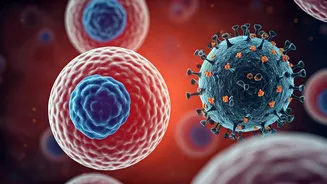
When constantly dealing with stress, the immune system is in high alert mode. This sustained activation can exhaust the immune system's resources, leaving it less efficient at fighting off new infections. The shift from high stress to rest is a significant change, and the immune system requires time to adjust. The immune cells, like lymphocytes and natural killer cells, which are crucial for fighting off infections, may not function at their peak capacity immediately. This delayed immune response can make us vulnerable to illness. To counteract this, it's wise to prioritize adequate sleep, eat a balanced diet, and avoid excessive alcohol or unhealthy foods, as these habits can further compromise the immune system. Taking it easy and letting the body rest is important, but also, supporting the immune system proactively can help.
Environmental Factors to Consider
When traveling, you encounter various pathogens, which include viruses and bacteria. These new germs are foreign to your body, and your immune system may not be prepared to defend against them immediately. Even if you stay put, environmental changes can play a role. Seasonal allergies can worsen, or exposure to different allergens can trigger reactions. Also, indoor air quality can impact your health, and if the place you are staying is poorly ventilated, you might inhale mold spores or other irritants, triggering respiratory issues. Additionally, changes in climate, altitude, and even water sources can influence your health. Consider washing your hands regularly, particularly after being in public places, and be mindful of food safety. These simple steps can go a long way in preventing illness and enjoying your time off to the fullest.