
Ditch Stark Minimalism
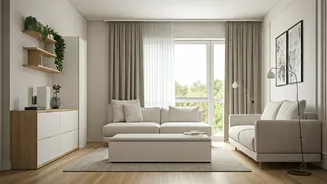
The era of sterile, minimalist living rooms that resemble impersonal waiting areas is drawing to a close. Interior designers are advocating for a significant
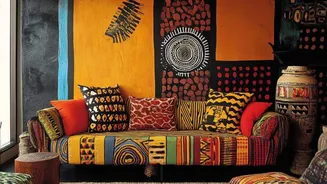
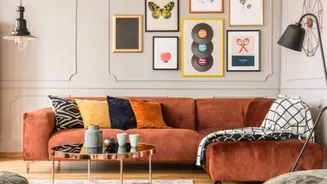
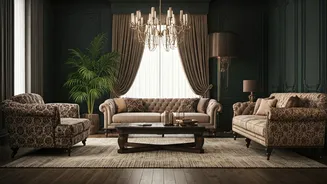
departure from furniture that feels overly generic and devoid of warmth. Instead, the focus is shifting towards creating spaces that exude comfort, personality, and a touch of nostalgic charm. This doesn't necessarily mean embracing extreme maximalism, but rather incorporating elements that offer visual interest and a cozy feel, such as subtly detailed pieces or even an occasional, delightfully overstuffed upholstered item. The goal is to make a living room feel like a welcoming home, not an institutional space, by injecting a sense of history and curated comfort into the design choices.
Rethink Giant Sectionals
Enormous sectional sofas, while offering ample seating, are being re-evaluated by designers who find they can sometimes make a room feel flat and overly staged. The trend is moving away from these monolithic pieces towards more thoughtful arrangements that foster conversation and connection. Instead of a single, dominant sectional, consider using multiple, distinct furniture items to define seating zones. This could involve placing two sofas opposite each other to encourage dialogue, or arranging a cluster of four accent chairs around a coffee table. This approach allows for greater flexibility in layout and can create a more dynamic and inviting atmosphere, ensuring that seating is both plentiful and conducive to social interaction without overwhelming the space.
Say No to All-White
While pristine all-white furniture might look stunning in curated photoshoots or on social media feeds, its practicality in everyday living is being questioned. The constant need for rigorous cleaning and the fear of inevitable stains make it an impractical choice for many homeowners. Designers are observing a growing desire for a more 'lived-in' aesthetic, where furniture can be enjoyed without constant anxiety. Stark white interiors are perceived as cold, and the prevailing design sentiment is leaning towards warmer, more layered environments. This shift embraces spaces that boast character, a harmonious blend of different materials, and a rich tapestry of textures, creating a more inviting and resilient living area.
Scallops Are Fading
For several years, the whimsical charm of scalloped edges has been a popular design motif, appearing on everything from side tables to accent chairs. However, designers note that this trend has reached a point of saturation and is beginning to feel overused. While the playful appeal of scallops is undeniable, the current design inclination is to move beyond these particular decorative details. For those who still appreciate the aesthetic, a suggestion is to explore vintage-inspired designs. Instead of sharp, modern scallops, consider furniture with softer, more historical details like channeling, reminiscent of Victorian-era pieces, to achieve a similar decorative effect with a more timeless feel.
Overused Cane Accents
The use of cane as a decorative accent on furniture, while offering a natural texture, has unfortunately fallen victim to overuse. Designers are advising caution against pieces heavily adorned with cane, as it has become a predictable and consequently less impactful detail. For individuals drawn to the visual appeal of cane but wishing to avoid a trend-driven look, the recommendation is to seek out authentic mid-century modern furniture. These pieces often feature streamlined wood details, such as elegant fluting or other refined carvings, that provide visual interest without relying on a currently over-saturated material.
Uncomfortable Rattan
While a well-placed rattan or woven piece can introduce a lovely organic touch to a living room, comfort is a key consideration that designers are prioritizing. Many rattan chairs, for instance, lack the plushness needed for prolonged relaxation, often becoming the untouched furniture in a bustling gathering. Interior designers are increasingly opting for trends that prioritize actual comfort over purely aesthetic appeal. Woven rattan and raffia have seen extensive use recently, and the suggestion is to incorporate them more sparingly, perhaps as a single accent piece, rather than combining them extensively with other textures that might detract from their intended impact.
Bouclé Everywhere
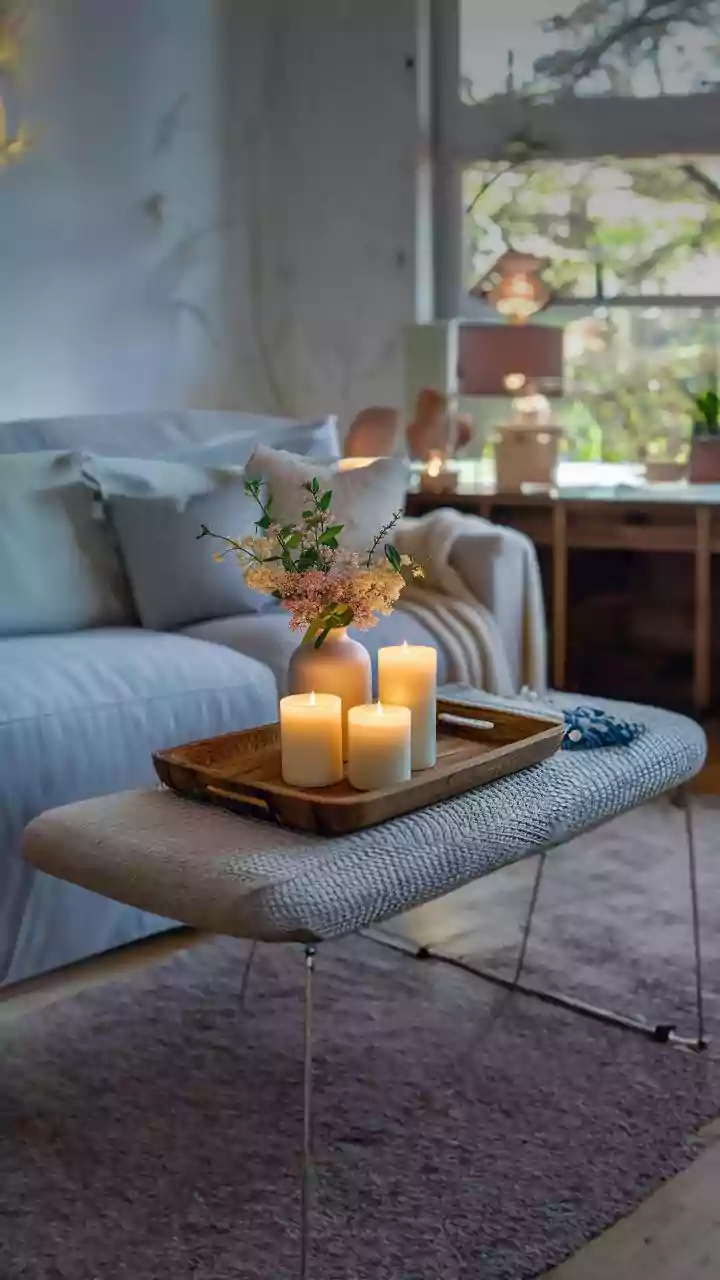
The tactile appeal of bouclé fabric, which has graced sofas, armchairs, and ottomans, is now being deemed excessive by many designers. While bouclé offers a unique texture, its ubiquity across numerous furniture types is prompting a desire for alternatives. Furthermore, the light, nubby nature of bouclé can make it challenging to clean and maintain, proving impractical for the high-traffic environment of a living room. Designers suggest embracing classic textures like velvet or linen to introduce depth and visual interest in a more enduring and less maintenance-intensive manner, offering a sophisticated alternative.
Mass-Produced Sets
The practice of purchasing an entire room's worth of trendy furniture from a single retailer's coordinated display is largely falling out of favor. Designers strongly encourage homeowners to seek out furniture that possesses unique character and isn't overly mass-produced. Opting for more distinctive pieces not only helps in developing a personal style that stands out but can also be a more budget-friendly approach. Exploring secondhand markets and vintage shops can uncover hidden gems, allowing for the creation of a living space that is both individualistic and economically savvy, moving away from the homogenous look of showroom sets.