





The Hypnagogic Gateway
Before a dream truly takes hold, you enter a transitional state known as hypnogogia. This is a peculiar liminal space where consciousness blurs between
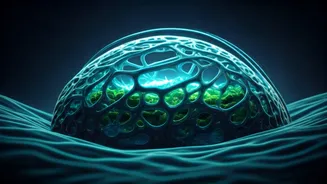
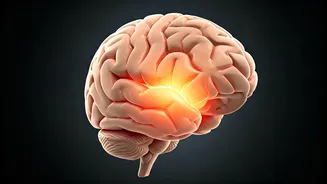
wakefulness and sleep, often marked by fleeting sensory experiences. During this phase, the brain frequently generates basic geometric patterns, such as lattices or tunnel-like visions, which are believed to originate in the visual cortex. Scientists theorize that this imagery might serve a protective function for the brain, keeping neural pathways active and preventing other brain regions from encroaching on their territory due to neuroplasticity. These initial visual phenomena act as the rudimentary building blocks, preparing the mind for the more elaborate dream sequences to follow.
Crafting the Dreamscape
Once the initial abstract visuals subside, the dream environment begins to materialize, forming what is often referred to as a 'dreamscape.' This stage is characterized by the emergence of settings, which may feel familiar yet subtly distorted, exaggerated, or strangely empty. The brain here actively employs the concept of negative space, manipulating the areas around objects to establish an emotional tone rather than a strictly realistic depiction. Instead of relying on factual memory recall from the hippocampus, the brain leans heavily on the amygdala, the center for emotional processing. This shift results in landscapes constructed from feelings and sentiments, often leading to an intense, raw, and somewhat chaotic atmosphere that sets the stage for the dream's unfolding narrative.
Narrative Threads Emerge
As dreams progress into deeper stages, they develop distinct storylines and structures, frequently mirroring unresolved issues or stresses from waking life. A common manifestation of this is the 'airport dream,' where obstacles consistently prevent the dreamer from reaching their destination, such as a delayed flight or a disappearing gate. Similar scenarios can play out in hotels or on ships, all culminating in a failure to arrive. These dreams are widely interpreted as symbolic representations of unfinished tasks or anxieties. Because clear verbal communication is limited during sleep, the brain amplifies emotions to convey these complex themes, distilling them into core elements like fear, desire, or conflict. The events unfold based on an emotional logic, prioritizing the reinforcement of a feeling over rational coherence, which contributes to their potent and memorable nature.
Independent Dream Agents
At more advanced levels of dreaming, the perception shifts from active participation to passive observation, with the introduction of 'independent agents.' These are characters or environments that appear to possess an existence separate from the dreamer's own consciousness. Reports include recurring encounters with unfamiliar individuals or detailed locations that may even exist in reality. A prevalent experience at this stage is being chased, a widely reported nightmare. Researchers suggest this phenomenon arises from the brain's effort to interpret earlier emotional patterns by merging personal experiences with innate fears, a process involving emergent attractor networks. These networks allow recurring themes to adapt and evolve, where the pursuer might represent a real-life conflict, while the act of being pursued taps into deeper, instinctual fears like avoidance.
Lucid Dreaming Awareness
The culmination of the dream journey is lucid dreaming, a state where the dreamer realizes they are dreaming. This awareness can unlock remarkable abilities, such as controlled flight or the manipulation of the dream environment, offering exhilarating possibilities. Conversely, it can also introduce unsettling experiences. Some lucid dreamers report negative or aggressive reactions from dream characters when their non-real nature is revealed. Another curious phenomenon is the 'false awakening,' where the dreamer believes they have woken up, only to discover subtle oddities, like a distorted reflection. This can lead to a series of nested dreams, creating a challenging loop of perceived awakenings that blur the lines between the dream state and reality. Experts believe this occurs when the brain struggles to synchronize internal mental signals with external sensory input, leading to overlapping and indistinct layers of reality.