






Why Gut Health Matters
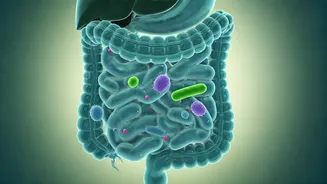
A child's gut is a powerhouse, housing trillions of beneficial bacteria that are fundamental to their overall health and development. This intricate ecosystem
plays a starring role in efficiently digesting food, fortifying the immune system to ward off illnesses, and maintaining consistent energy levels and a stable mood. When this internal environment is balanced and flourishing, the child experiences optimal well-being. Conversely, modern lifestyles, characterized by a high intake of processed foods and sugary drinks, can disrupt this delicate balance. This imbalance can manifest in various uncomfortable symptoms like persistent constipation, troublesome bloating, and other digestive woes, all signaling that the gut flora is not in its best state. Prioritizing gut health is thus a cornerstone of a child's physical and mental vitality.
Breakfast Bowl Swap
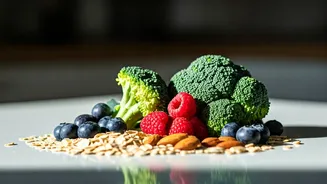
Many popular breakfast cereals are laden with added sugars and lack essential fiber, making them a less-than-ideal start to the day. These processed options can negatively impact gut bacteria. A fantastic alternative is to switch to wholesome oats or millet porridge. Both oats and millets are rich in dietary fiber, a crucial component for nourishing beneficial gut bacteria. Fiber acts as a prebiotic, feeding the good microbes and promoting a healthy gut environment. Furthermore, the fiber content helps children feel fuller for longer, preventing mid-morning energy slumps and unnecessary snacking. This simple substitution can significantly contribute to a more balanced digestive system right from the morning meal.
Juice to Whole Fruit
Packaged fruit juices, while seemingly healthy, often undergo processing that strips away natural fiber and concentrates sugars. This makes them a less nutritious choice compared to their whole fruit counterparts. Similar to processed cereals, these juices can contribute to an imbalanced gut microbiome due to their high sugar content and low fiber. The recommendation is to replace these sugary drinks with whole fruits like apples, bananas, papayas, and guavas. These natural delights are packed with essential vitamins, minerals, and, importantly, dietary fiber. Consuming whole fruit provides the body with all its natural goodness, supporting gut health and offering sustained energy without the sugar spikes and crashes associated with juices.
Grain Choice Matters
The type of bread we choose can have a noticeable impact on our digestive system. White bread, made from refined flour, undergoes processing that removes much of its natural fiber and nutrients. This refinement process means it takes longer for the body to break down, potentially leading to slower digestion and contributing to constipation over time. Opting for whole grain breads, however, presents a much healthier alternative. These breads are crafted from unprocessed whole grains, retaining their natural fiber content and a wider array of vitamins and minerals. The higher fiber content aids in smoother digestion, supports a healthy gut flora, and provides a more sustained release of energy, making it a superior choice for children's digestive well-being.
Yogurt Versus Curd
Flavored yogurts, commonly found in stores, often contain significant amounts of added sugars and artificial additives, which are not beneficial for gut health. These ingredients can disrupt the delicate balance of beneficial bacteria. A more health-conscious choice is homemade curd, also known as yogurt. Homemade curd is typically prepared using live bacterial cultures, making it a rich source of probiotics. Probiotics are live microorganisms that, when consumed in adequate amounts, confer a health benefit on the host by improving the intestinal microbial balance. These beneficial bacteria are vital for supporting a healthy digestive system and bolstering the immune response, offering a natural and effective way to enhance gut health.
Snack Smartly
Fried snacks, while often appealing to children, are typically high in unhealthy fats. These types of fats can be detrimental to the digestive system, potentially leading to inflammation and disrupting the balance of gut bacteria. A much healthier and equally satisfying alternative is to offer children nuts and roasted seeds in moderation. Varieties like almonds, peanuts, pumpkin seeds, and sunflower seeds are excellent sources of healthy fats, protein, and fiber. These nutrients are not only good for overall health but also contribute positively to gut function. Making this switch from fried options to wholesome nuts and seeds provides a nutrient-dense snack that supports a healthy digestive tract.