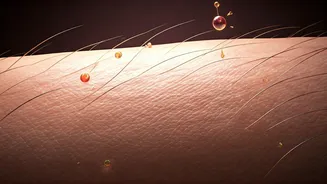




The Itch-Vitamin Connection
Persistent itching, a sensation that can significantly disrupt daily life and sleep, often leads to compulsive scratching. This discomfort isn't always
accompanied by a visible rash, making its origin perplexing. However, medical experts suggest that underlying nutritional imbalances, specifically deficiencies in certain vitamins, can be a primary driver of this persistent skin irritation. When the body lacks these vital nutrients, it can affect the skin's integrity and function, leading to sensations of itching, burning, and even the development of rashes and scabs. Early identification of these deficiencies is key to effectively managing and alleviating the discomfort, restoring both skin health and overall well-being.
Vitamin A's Role
Vitamin A is a fundamental nutrient essential for maintaining the skin's softness and overall health. When the body's supply of Vitamin A dwindles, the skin often reacts by becoming dry, rough, and uncomfortably tight. These textural changes create an environment ripe for itching, with discomfort often intensifying on extremities like elbows, knees, and ankles. Ensuring adequate Vitamin A intake is therefore crucial for preventing these dry, itchy symptoms and preserving the skin's natural suppleness and barrier function, contributing to a smoother, more comfortable complexion.
Vitamin B12 & Skin
Vitamin B12 plays a dual role, being vital for both the health of our nervous system and the proper functioning of our blood. A deficiency in this crucial vitamin can manifest in various ways, including the development of mild rashes, a burning sensation on the skin, and bothersome itching. Beyond skin symptoms, some individuals may also experience peculiar sensations like tingling or numbness, particularly in their hands and feet. These neurological signs can serve as an important indicator of an underlying shortage of Vitamin B12, prompting further investigation and potential supplementation to restore nerve function and alleviate cutaneous discomfort.
Vitamin B3's Impact
When Vitamin B3 (niacin) levels are insufficient, the skin can show noticeable signs of distress, including redness, peeling, and a pronounced itch. In more severe instances of deficiency, small, sore-like lesions might appear on the skin's surface. Furthermore, the skin can become remarkably sensitive to sun exposure, reacting more acutely to UV rays. This heightened sensitivity and the accompanying inflammatory responses underscore the importance of Vitamin B3 in maintaining the skin's protective barrier and its ability to withstand environmental stressors without succumbing to irritation and damage.
Vitamin C for Repair
As a cornerstone of skin repair and healing processes, Vitamin C is indispensable for maintaining robust skin health. A deficit in Vitamin C can compromise the skin's structural integrity, leading to it appearing weaker, drier, and more susceptible to damage. This compromised state can then present as itching or the development of minor rashes. Adequate Vitamin C supports collagen production and acts as an antioxidant, helping the skin to recover from daily wear and tear and maintain its resilience against external factors that could otherwise lead to irritation.
Vitamin E's Moisturizing Power
Vitamin E is a powerful ally in keeping the skin moisturized and shielded from environmental aggressors. Its antioxidant properties help protect skin cells from damage caused by free radicals. When Vitamin E levels are inadequate, the skin can lose its natural moisture, appearing dull and dry. This dryness significantly increases the likelihood of experiencing itching. Ensuring sufficient Vitamin E intake can help maintain the skin's hydration levels and reinforce its natural defenses, leading to a softer, more supple, and less irritated complexion.