







A Legend Lost
India's music landscape mourns the departure of the immensely talented and versatile Asha Bhosle, who passed away at the age of 92. Known for her unparalleled
contributions to Bollywood music over eight decades, Bhosle was a formidable presence in the industry. She was admitted to Breach Candy Hospital in Mumbai after experiencing extreme exhaustion and a severe chest infection. Her son, Anand Bhosle, confirmed her passing, with arrangements made for the public to pay their respects and for the final rites to be conducted at Shivaji Park. Her legacy as one half of the celebrated Mangeshkar musical dynasty will undoubtedly endure, leaving an indelible mark on Indian cinema and beyond.
Ageing and Immunity
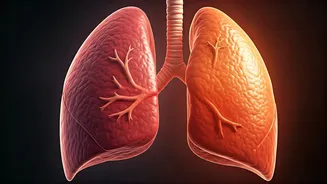
Dr. Ravi Shekhar Jha, a pulmonologist, sheds light on why individuals in their nineties, like Asha Bhosle, are particularly susceptible to chest infections. As the body ages, its natural defence mechanisms tend to weaken. This decline affects crucial functions such as the cough reflex, which becomes less robust. Consequently, individuals may struggle to effectively expel mucus and pathogens from their airways, creating a breeding ground for infections. Furthermore, weakened swallowing abilities are common in advanced age, leading to an increased risk of aspiration, where small amounts of food or saliva inadvertently enter the lungs, triggering recurrent infections. This complex interplay of a diminishing immune system and reduced bodily functions significantly elevates the risk of respiratory ailments in the very elderly.
Mobility and Health
A significant factor contributing to respiratory issues in older adults is reduced physical mobility. When individuals spend a considerable amount of time sedentary, either lying down or sitting, their lungs may not expand to their full capacity. This lack of full expansion can lead to poor ventilation in the lower portions of the lungs, creating an environment where infections can more easily take hold and thrive. Pre-existing health conditions such as Chronic Obstructive Pulmonary Disease (COPD), heart disease, or diabetes further compound these risks, making individuals more vulnerable. Even mild dehydration can play a role by thickening respiratory secretions, thus impeding their clearance from the airways and increasing susceptibility to infection.
Subtle Signs of Illness
It's crucial to recognize that infections in the elderly often don't manifest with typical symptoms like high fever or a pronounced cough. Instead, exhaustion can be an early, and sometimes the only, indicator. Older individuals might simply feel unusually weak, excessively sleepy, or experience confusion. These less overt signs can be easily overlooked but are important warnings of an underlying infection. Dr. Jha emphasizes that infections in this age group can present atypically, making early detection and timely medical intervention paramount for a better prognosis.
Preventive Care Strategies
Proactive measures can significantly mitigate the risk of chest infections in the elderly. Regular vaccinations against common threats like influenza and pneumococcus are highly recommended. Maintaining good oral hygiene is also vital, as it reduces the bacterial load in the mouth, which can otherwise contribute to respiratory infections. Encouraging simple lifestyle adjustments, such as sitting up, walking regularly, and performing basic breathing exercises, can improve lung expansion and overall respiratory health. Ensuring adequate hydration and proper nutrition are fundamental for keeping respiratory secretions thin and easy to clear. For those with difficulties in swallowing, employing specialized feeding techniques and maintaining an appropriate posture during meals can substantially lower the risk of aspiration.