





The Pregnancy Toll
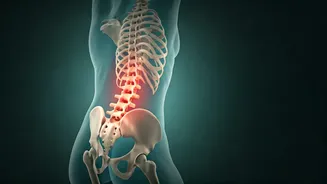
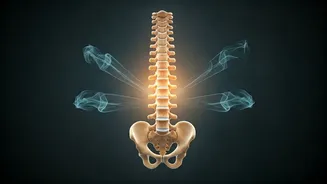
Pregnancy inevitably places considerable strain on a woman's spine. The accumulating weight gain shifts the body's center of gravity, demanding new postural
adjustments that can stress the lower back. Alongside these physical changes, hormonal shifts, particularly the release of relaxin, play a crucial role. This hormone, vital for preparing the body for labor by loosening ligaments and joints, can unfortunately lead to spinal and pelvic instability. This inherent instability, combined with altered posture and potentially weakened core muscles, sets the stage for discomfort and pain that can persist well into the postpartum period.
Postpartum Pain's Origins
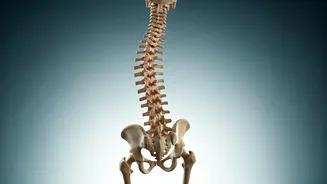
Following childbirth, the spinal issues experienced during pregnancy can be exacerbated by various postpartum activities. New mothers often grapple with poor posture while breastfeeding or cradling their newborns, improper lifting techniques, and a general lack of adequate rest crucial for recovery. These everyday actions, when not performed with awareness, continue to put pressure on the spine. If left unaddressed, this persistent strain can manifest as ongoing pain, stiffness, and, in the most concerning scenarios, could potentially develop into more serious, long-term spinal conditions that significantly impact a woman's quality of life and ability to care for herself and her child.
The Stark Statistics
Experts highlight a concerning trend: a staggering 70% of women suffer from back pain after giving birth. In clinical observations, roughly 7 out of every 10 women between the ages of 25 and 37 seek medical attention for symptoms like persistent lower back pain, general muscle stiffness, a noticeable difficulty in bending or lifting objects, and significant discomfort when sitting or standing for extended periods. This prevalence underscores that postpartum back pain is far from a minor inconvenience for a vast majority of new mothers.
Ignoring the Warning Signs
The critical danger lies in the tendency to dismiss postpartum back pain as a normal, temporary consequence of childbirth. When this pain is ignored or downplayed, it can escalate dramatically. What begins as discomfort might progress into excruciating pain, or even lead to more severe conditions like a slipped disc. Such complications can severely impair a woman's capacity to manage daily tasks, including the fundamental responsibilities of caring for her baby, transforming her postpartum experience into one of significant physical challenge and distress.
Essential Self-Care Practices
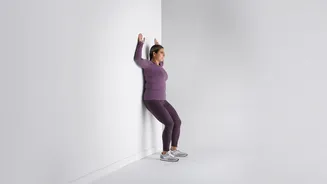
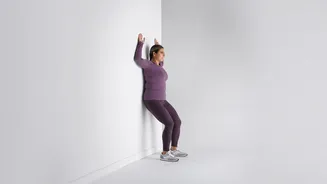
Fortunately, proactive steps can significantly alleviate and prevent postpartum back pain. Maintaining proper posture, whether feeding or holding your baby, is paramount. Employing correct lifting techniques, avoiding sudden bends, and seeking guidance on gentle postnatal exercises are crucial. Utilizing supportive chairs and cushions while sitting can provide much-needed relief. Prioritizing rest and avoiding overexertion are equally important. Crucially, if pain persists for more than a few weeks, seeking professional medical advice is essential to ensure timely and effective management.
Preventive Lifestyle Adjustments
Gynecologists emphasize that early intervention and simple lifestyle modifications can make a profound difference for new mothers experiencing back discomfort. Maintaining good posture throughout the day, ensuring adequate hydration, and consciously practicing correct bending techniques when performing everyday tasks are fundamental. Furthermore, engaging in exercises recommended by healthcare professionals can strengthen core muscles and improve flexibility, aiding recovery. By adopting these preventative measures, most women can achieve a full recovery and return to their normal daily routines without the burden of long-term spinal complications.