



What is Purple Honey?
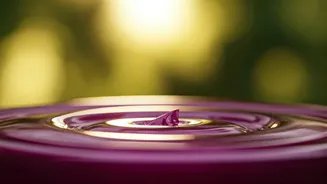
Purple honey is an extraordinarily rare type of honey, renowned for its striking color. Unlike the typical golden hues, this honey exhibits a vibrant purple
shade, making it a standout. This distinctive characteristic immediately captures attention, making it highly sought after. The color itself is the product of specific floral sources and environmental factors that combine to create this natural phenomenon. Due to its scarcity, purple honey often commands a higher price and is valued by honey connoisseurs. Its existence sparks curiosity, inviting deeper exploration into its origins and production processes. The rarity and unique visual appeal make it a fascinating subject for honey enthusiasts and anyone intrigued by nature's oddities.
Sources of Color
The unique color of purple honey comes from its interaction with specific plant sources. The primary source is often nectar from flowers containing pigments. These pigments, like anthocyanins, naturally impart vibrant colors. Anthocyanins are water-soluble pigments responsible for the red, purple, and blue colors in many flowers and fruits. Bees collect nectar from these flowers, and the resulting honey takes on the color of the nectar. Environmental factors also play a part, influencing the concentration and stability of these pigments within the honey. Soil composition and sunlight exposure can also impact the color. The bees’ exposure to these factors during nectar collection and honey production is key to its final shade.
Geographical Origins
Purple honey is not found everywhere; it's a geographically specific phenomenon. It is often associated with certain regions where particular plant species thrive. These plants are the primary source of the unique nectar that gives the honey its color. Specific locations within the United States, such as certain areas of North Carolina and Tennessee, are known to produce purple honey. In other parts of the world, like some regions of Australia and South America, it can also be found. Environmental conditions and floral biodiversity play a crucial role in these areas. The presence of specific plant species and suitable climates create the ideal environment for its production. Understanding these regions helps one appreciate its rarity and the specific conditions that must converge for its existence.
Factors Affecting Scarcity
Several factors contribute to the scarcity of purple honey. The reliance on specific floral sources is a significant constraint. If the plants are not abundant or their flowering season is brief, the availability of purple honey decreases. Changing environmental conditions, such as climate change, can also affect the distribution and abundance of the plants. Agricultural practices, including the use of pesticides and habitat destruction, further threaten these nectar-producing plants. Lastly, the honey-making process is also critical. If the honey is not harvested under specific conditions, its unique properties can be lost. This combination of factors ensures that purple honey remains a rare, highly valued delicacy.
Unique Characteristics
Purple honey has several distinctive characteristics that set it apart. Besides its striking color, it often boasts a unique flavor profile. The taste can vary depending on the floral sources but is commonly described as having subtle floral notes or berry-like undertones. The texture is usually similar to other honey types, with a viscous consistency. Beyond its taste and appearance, purple honey is sometimes believed to have specific health benefits. Some sources claim that it possesses antioxidant properties, which are often attributed to the anthocyanins present in the honey. While research is ongoing, these potential benefits add to its appeal. For those who encounter it, purple honey offers a multisensory experience, combining visual appeal with distinctive flavors and potential wellness attributes.