






Why Protein Matters
Protein is a fundamental building block for our bodies, crucial for muscle development, repair, and overall maintenance. Beyond its role in physical structure,
it plays a significant part in managing weight by promoting a feeling of fullness, which can curb overeating. Furthermore, proteins are essential for the production of vital enzymes and hormones that regulate numerous bodily functions. For adults, the recommended protein intake typically ranges from 0.8 to 1.2 grams per kilogram of body weight, with active individuals often needing to aim for the higher end of this spectrum. Men might require between 56 to 91 grams daily, while women generally need 46 to 75 grams, influenced by factors like their lifestyle and specific health conditions.
Morning Protein Boost
Starting your day with a protein-rich breakfast sets a positive tone for your entire day's nutritional intake. A simple yet effective option involves preparing oats with milk or plain yogurt (dahi). To enhance both the flavour and protein content, consider adding a sprinkle of honey, a tablespoon of chia seeds, and a handful of nuts. This combination can readily provide an impressive 20 to 25 grams of protein, kickstarting your metabolism and keeping you satiated until your next meal.
Lunch Protein Powerhouse
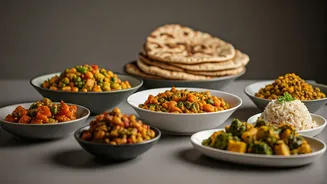
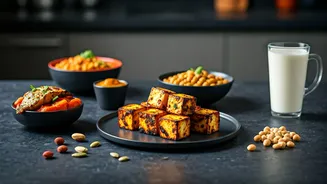
For lunchtime, whether you're following a vegetarian or non-vegetarian diet, you can easily pack in a substantial amount of protein. A vegetarian meal featuring 100 grams of paneer, approximately 150 grams of dal or chana (chickpeas/lentils), a serving of green vegetables, rice, and a side of dahi can easily contribute between 25 to 27 grams of protein. If you opt for a non-vegetarian meal, incorporating 120 to 150 grams of chicken alongside your rice and vegetables can significantly boost your protein intake, pushing it towards 35 grams without much extra effort.
Afternoon Protein Refuel
The mid-afternoon period is an ideal time to bridge the gap between lunch and dinner with a protein-focused snack. This can serve to maintain your energy levels and prevent excessive hunger leading up to your evening meal. A convenient and effective way to achieve this is by consuming a protein shake, which can quickly deliver around 20 grams of protein. Alternatively, a natural, protein-rich dessert or snack can also fulfill this requirement, ensuring you stay on track with your daily protein goals.
Dinner Protein Finale
Concluding your day with a balanced dinner that contributes to your protein goals is essential. A meal incorporating Khapli atta roti, a serving of dal, a paneer-based vegetable dish (sabzi), and dahi can effectively round off your daily protein intake. Khapli atta is particularly noteworthy for its lower gluten content and higher protein profile compared to regular wheat flour. This thoughtful combination ensures that your evening meal not only satisfies your hunger but also contributes significantly to your overall protein requirements for the day.
Diversify Your Sources
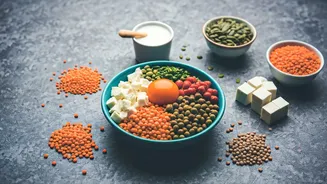
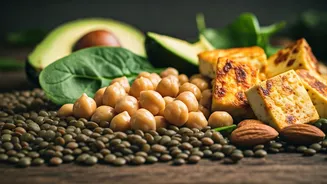
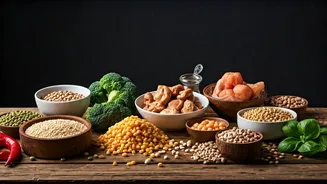
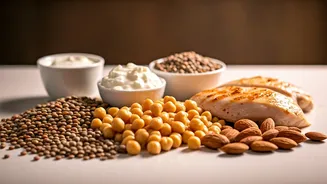
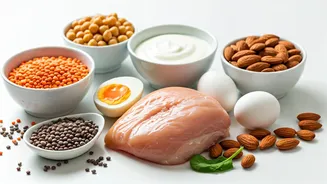
Achieving a well-rounded protein intake hinges on consuming a variety of protein-rich foods. While animal products like lean meats, poultry, and fish are renowned for their high protein content, plant-based alternatives such as beans, lentils, tofu, and quinoa are equally effective. Incorporating a diverse range of these foods guarantees that your body receives a comprehensive spectrum of essential amino acids, which are vital for numerous bodily functions. Protein supplements, like shakes or bars, can also serve as a convenient way to supplement your dietary intake.
Important Considerations
While aiming for adequate protein intake is beneficial, it's crucial to be mindful of individual health conditions. Individuals with pre-existing kidney issues should exercise caution, as excessive protein consumption can place additional strain on their kidneys. High protein diets have also been linked to increased calcium excretion, potentially impacting bone health. Therefore, it is advisable to ensure sufficient calcium intake through diet or supplements and, most importantly, consult with a healthcare professional to determine the optimal protein intake tailored to your specific health needs and circumstances.