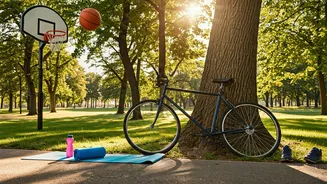







Make Fitness Playful
Shifting the perception of fitness from a chore to an enjoyable pastime is paramount for engaging teenagers. Instead of associating exercise with punishment
or obligation, parents should aim to integrate activities that teens genuinely find fun. This could involve exploring a variety of sports like cycling, dancing, or team games such as football and badminton. Even brisk walking or swimming can be framed as exciting pursuits. When physical activity is perceived as a hobby and a source of pleasure, teens are far more likely to participate willingly and enthusiastically, fostering a positive and sustainable relationship with exercise that lasts well beyond childhood.
Balance Screens, Embrace Outdoors
The pervasive influence of digital devices demands a conscious effort to balance screen time with active engagement in the real world. While completely eliminating phone use isn't practical, establishing a healthy equilibrium is crucial. Encourage teens to step away from video games and social media to explore the benefits of outdoor activities. This shift not only promotes physical health but also enriches their social interactions and significantly boosts their mood. Outdoor adventures offer a refreshing contrast to digital immersion, contributing positively to their overall mental and emotional state during these formative years.
Lead by Example
Teenagers often absorb parental behaviors more readily than they follow direct instructions. Consequently, parents serve as powerful role models in shaping their children's attitudes towards fitness. By actively participating in sports, opting for walks over short car rides, or engaging in activities like yoga, parents demonstrate a commitment to a healthy lifestyle. Witnessing their parents prioritize physical well-being can inspire teens to adopt similar habits, making fitness a natural and integrated part of family life rather than a directive imposed upon them.
Health Over Image
It is vital for parents to steer conversations about fitness towards overall health, energy levels, and mood enhancement, rather than focusing on body image. Teenagers are particularly susceptible to concerns about their appearance, and parental emphasis on physical transformation could inadvertently lead to psychological distress. Highlighting how sports and exercise contribute to increased stamina, a brighter outlook, and a stronger constitution empowers teens to engage for intrinsic benefits, fostering a healthier relationship with their bodies and activities.
Set Achievable Milestones
Overambitious fitness goals can quickly demotivate teenagers, leading to a loss of interest. Instead, guide them in setting small, attainable targets that build confidence and encourage consistency. Examples include committing to a 20-minute daily walk, participating in a favorite sport twice weekly, or incorporating short home-based exercise routines. Achieving these smaller objectives cultivates a sense of accomplishment, fueling motivation for continued engagement. Gradually, these manageable steps evolve into ingrained habits, promoting long-term fitness and well-being.