




The 'Rod' Cooking Method
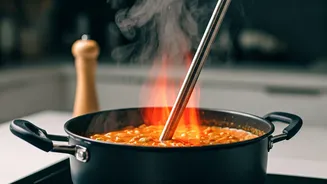
In a striking display of resourcefulness, a video has circulated widely showing an individual attempting to prepare a curry by immersing an electric heating
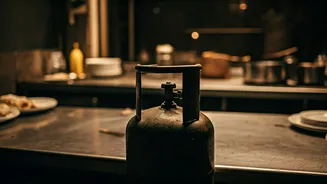
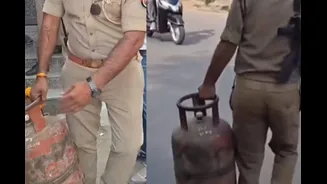
rod directly into the pot. This unusual technique emerged as a response to a widespread scarcity of Liquefied Petroleum Gas (LPG) cylinders across various Indian households. The clip, initially shared on Instagram, featured a simple kitchen setup where, instead of igniting a gas stove, the immersion rod was deployed to heat the food. Immersion rods are typically designed for heating water for personal use, such as bathing or cleaning purposes, and are not intended for direct contact with food during the cooking process. This situation underscores the lengths to which people are pushed to prepare meals when conventional cooking fuels become unavailable, prompting a reevaluation of everyday kitchen tools.
Online Reactions and Concerns
The viral video quickly garnered a plethora of reactions across social media platforms, ranging from amusement to serious apprehension. Many users took to humor, with one comment echoing the popular Hindi phrase 'Minto ka kaam ghanto main,' suggesting the method was a quick, albeit unconventional, fix. However, a significant portion of the online community expressed grave concerns regarding the safety of this cooking practice. Health experts and concerned individuals pointed out that immersion rods are not designed for culinary applications and could potentially lead to severe stomach infections due to residue or contaminants. There was a strong cautionary sentiment advising against consuming food prepared in this manner, emphasizing the importance of using traditional methods like gas stoves or even wood-fired cooking, which are considered safer for food preparation and have a long history of use in Indian households.
Household Adaptations
This unconventional cooking incident serves as a microcosm of the broader challenges and adaptive strategies being employed by households facing an LPG deficit. The scarcity of gas cylinders has propelled individuals to explore and embrace alternative cooking solutions. These range from reinstating traditional wood-fired stoves, which are still prevalent in many rural and semi-urban areas, to relying more heavily on electric appliances, some of which might be more energy-efficient or readily available. Furthermore, the crisis is also prompting a shift towards simpler, no-cook meal options that require minimal or no heat, thereby reducing reliance on any cooking fuel altogether. This period of scarcity is fostering a wave of innovation and a return to older cooking methods as people strive to maintain their daily routines amidst fuel shortages.
Shifting Meal Dynamics
Beyond just the methods of preparation, the ongoing fuel constraints are also influencing the types of meals people are choosing to prepare. There's a noticeable trend towards selecting dishes that inherently require less cooking time and, consequently, less fuel consumption. This strategic adjustment in meal planning helps households conserve their limited fuel resources more effectively. Even seemingly simple beverages like tea are sometimes being replaced with quicker alternatives, such as hot lemon water, which can be prepared with minimal heat or even just hot water. This evolving approach to food and drink consumption highlights a significant, albeit forced, transformation in daily culinary habits driven by the practicalities of fuel availability and cost.