



Savor with Slurping
Contrary to many Western dining norms where noise is discouraged, slurping noodles in Japan is not only accepted but encouraged. This practice, particularly
with dishes like soba, udon, and ramen, serves a dual purpose. It allows air to mix with the hot noodles as they are drawn into the mouth, effectively cooling them down and enhancing the release of their aromatic compounds and flavors. Beyond the sensory experience, slurping is a non-verbal cue to the chef, communicating immense enjoyment and satisfaction with the meal. It encourages a more immersive and relaxed way of appreciating the food, engaging multiple senses to elevate the dining experience.
The Triangle Method
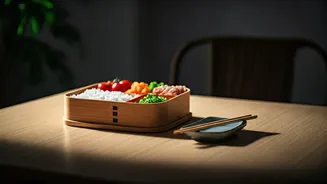
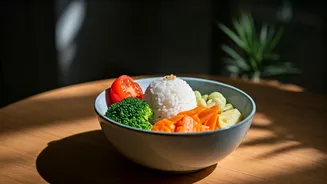
Japanese meals often feature an assortment of small dishes served alongside rice and soup. The 'Triangle Eating' ritual guides diners to consume their meal in a balanced, systematic way. The practice involves taking a small portion of rice, then a sip of soup, followed by a bite of a side dish, and repeating this cycle. This method ensures that no single food item is finished before the others, promoting a harmonious blend of tastes throughout the meal. By adhering to this pattern, you avoid palate fatigue and cultivate a more thoughtful eating pace, preventing the tendency to rush through components of the meal and fostering a more deliberate enjoyment of each flavor.
Chopstick Etiquette: Respectful Use
The use of chopsticks in Japan extends beyond mere functionality; it's deeply intertwined with showing respect, known as 'Imigushi'. Certain actions with chopsticks are considered taboo, mirroring customs observed during funeral rites. For instance, passing food directly from one pair of chopsticks to another or sticking chopsticks vertically into a bowl of rice are practices reserved for solemn occasions, symbolizing death and disrespect. By being mindful of these rules, individuals demonstrate discipline and presence, treating chopsticks not just as utensils but as extensions of respect for the social and spiritual environment of the dining table.
Hara Hachi Bu: 80% Full
Originating from Okinawa and rooted in Confucian principles, 'Hara Hachi Bu' is a concept promoting mindful consumption by encouraging individuals to eat until they are only 80 percent full. This practice acknowledges that the brain takes about twenty minutes to register feelings of satiety from the stomach. By stopping short of complete fullness, one avoids overeating and the subsequent post-meal fatigue, often referred to as 'postprandial somnolence'. Adopting 'Hara Hachi Bu' shifts the focus from mere satiation to sustenance, significantly benefiting digestion, aiding in weight management, and contributing to overall long-term metabolic health.
Itadakimasu: Gratitude's Blessing
Before the first bite, it is customary in Japan to clasp one's hands and utter 'Itadakimasu,' which translates to 'I humbly accept.' This is more than a simple 'bon appétit'; it's a profound expression of gratitude deeply influenced by Shinto and Buddhist traditions. It acknowledges the life, whether plant or animal, that was sacrificed for the meal, as well as the hard work of the farmers and chefs involved in its preparation. 'Itadakimasu' serves as a moment to consciously disconnect from mindless consumption and to appreciate the life energy embodied in the food presented on the plate, fostering a deeper connection to the sustenance received.