
Energy Storage Innovation
MIT's contributions to battery technology are substantial, specifically concerning energy storage. This is particularly relevant to the industrial sector
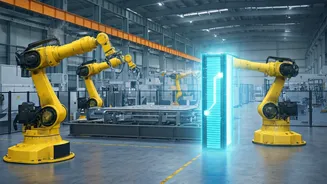
in India, where the demand for efficient and reliable power is constantly growing. The primary focus of MIT's work is to provide innovative energy storage solutions. These are engineered to optimize the performance of manufacturing processes and decrease the reliance on traditional energy sources. The core of their strategy is to create batteries that are long-lasting, fast-charging, and able to withstand rigorous industrial conditions. This also involves the incorporation of sustainable materials and reducing the environmental footprint, which is extremely important to the current Indian context, where environmental concerns are rapidly becoming an important consideration. These batteries are designed to integrate seamlessly into existing factory setups, enabling improved energy management and cost reduction. The overall goal is to equip Indian factories with the best possible tools to increase productivity and meet the challenges of the modern industrial world.
Boosting Factory Efficiency
The application of MIT's battery technology significantly influences the operational efficiency of Indian factories. This boost in efficiency stems from a number of factors, including consistent and reliable power supply, something that’s very important, particularly in regions that experience power fluctuations. The implementation of advanced batteries provides a stable energy source, which results in fewer equipment breakdowns and disruptions to production schedules. MIT’s batteries enable factories to minimize downtime and optimize the utilization of machinery. Factories can reduce peak demand charges by storing electricity during off-peak hours and utilizing it when demand is high. Furthermore, these energy storage systems allow factories to actively participate in the electricity market. They can sell excess power back to the grid and take advantage of dynamic pricing models, thus generating new revenue streams. By carefully managing their energy needs with MIT's advanced batteries, factories can achieve a higher degree of operational excellence. They also improve their competitiveness in an increasingly challenging global market. The overall effect is a significant reduction in operational expenses and an increase in overall productivity.
Sustainability and Environment
The environmental benefits of MIT's battery technology are considerable, especially in the context of India's commitment to sustainable development. By providing alternative power solutions, these batteries reduce the dependence on fossil fuels. This results in the decreased emission of greenhouse gases and helps to combat climate change. The sustainable design of MIT's batteries is a key factor. They use eco-friendly materials and are designed with recyclability in mind, thus minimizing waste and maximizing resource utilization. Factories that utilize this technology improve their sustainability credentials and contribute to a cleaner environment. Moreover, these energy storage systems help integrate renewable energy sources. This way, the factories can leverage solar or wind power more efficiently. This further reduces their carbon footprint and strengthens their position as environmentally responsible entities. The embrace of MIT's battery technology by Indian factories reflects a shift towards more sustainable practices. It also shows a commitment to reducing their environmental impact while enhancing operational efficiency and lowering costs. This dual benefit underscores the importance of technological innovation in moving towards a greener industrial future.