


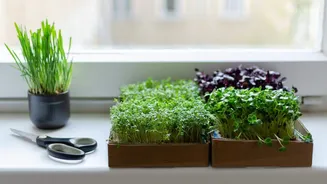
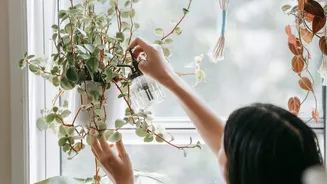
Early Stage Hydration
When you first sow seeds, their primary need is consistent moisture to initiate germination. At this delicate phase, there are no developed roots to seek
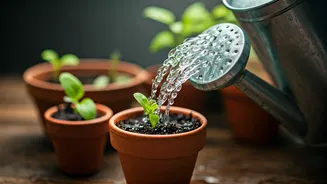
out water, making bottom-watering impractical. The most effective approach is to moisten the seed-starting medium thoroughly before planting and then maintain that dampness, ideally using a gentle spray bottle or mister. This top-down application ensures the seeds are enveloped in the necessary moisture to break dormancy and begin their growth journey. It's crucial to keep the environment consistently humid but not waterlogged during this initial period, as overly saturated soil can hinder germination and create an environment conducive to disease. The goal is to mimic the natural conditions that encourage a seed to sprout, providing a gentle yet persistent source of hydration until the first signs of life emerge.
Transition to Root Strength
Once your seedlings begin to show their first true leaves, it's time to strategically shift your watering approach. This transition to bottom-watering is designed to encourage a deeper and more resilient root system. By placing seedling trays in a shallow pan with about an inch of water, the roots are prompted to grow downwards in search of moisture. This method is highly beneficial as it keeps the foliage dry, significantly reducing the risk of fungal diseases like damping off, which can devastate young plants. Farmers often allow their trays to soak for approximately one hour, providing ample hydration without oversaturating the soil. After soaking, it's vital to remove the trays and allow them to drain completely, preventing stagnant water and ensuring the growing medium doesn't remain perpetually sodden, which can still lead to issues.
Avoiding Common Pitfalls
Successful seedling cultivation involves more than just proper watering; it requires vigilance against common mistakes that can undermine progress. Overwatering is a pervasive issue, leading to soggy soil that suffocates roots and promotes fungal infections. While the medium shouldn't dry out completely, allowing it to go from wet to slightly less saturated between waterings is acceptable if monitored closely. Adequate airflow is also critical; a gentle breeze from a small fan on its lowest setting can strengthen stems and help dry leaves, mitigating disease risk. For those without fans, gently running fingers through seedlings can mimic this effect. Insufficient light is another frequent problem, often resulting in leggy, weak plants. Providing 14-16 hours of full-spectrum light daily is ideal for robust growth. Finally, managing temperature is key, with different plants having specific germination needs; summer crops thrive between 60°F and 85°F, often requiring a warm room or a heat mat.