






Giardiniera Unveiled
Giardiniera, a cornerstone of Italian cuisine, is much more than just pickled vegetables; it's a symphony of flavors and textures. This vibrant relish
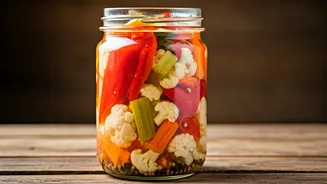
typically features a medley of crisp vegetables like cauliflower, carrots, celery, bell peppers, and sometimes even hot peppers for a fiery kick. The vegetables are submerged in a tangy brine, often containing vinegar, olive oil, herbs, and spices. Its origins trace back to Italy, where it was traditionally made to preserve seasonal vegetables. Today, giardiniera is a beloved condiment worldwide, adding a burst of freshness and complexity to various dishes. Its versatility shines through in sandwiches, salads, pizzas, and as a simple snack straight from the jar. The beauty of giardiniera lies in its adaptability; the recipe can be tailored to individual preferences, allowing for endless variations on the basic theme. Experimentation with different vegetables and spice levels creates a customized flavor profile that complements any meal. The perfect giardiniera provides a tantalizing crunch, a vibrant color, and an unforgettable taste experience.
Gather Your Bounty
The cornerstone of any outstanding giardiniera is, undoubtedly, the fresh vegetables. While recipes vary, the classics often include cauliflower florets, crisp carrot sticks, celery stalks, and vibrant bell peppers. Adding some hot peppers, like serrano or jalapeno, provides that signature fiery kick. Other possible additions consist of green beans, onions, and even artichoke hearts. The key is to select the freshest vegetables available, as their quality directly impacts the final product. Thoroughly wash and prepare each vegetable, chopping them into bite-sized pieces for optimal pickling. Size consistency matters; aim for similarly sized pieces to ensure even pickling and a balanced texture in every bite. Consider the texture you prefer. Some might like a firmer crunch, in which case you might consider blanching the vegetables briefly. This process involves quickly immersing the vegetables in boiling water before transferring them to an ice bath to stop the cooking process. Blanching helps to retain the crispness of the vegetables while softening them slightly. Choosing your ingredients thoughtfully sets the stage for a truly remarkable giardiniera.
Brine Creation Mastery
The brine is the soul of giardiniera, infusing the vegetables with their signature tangy and savory flavors. The basic building blocks include vinegar, olive oil, water, and salt. White vinegar is a popular choice for its clean, sharp taste, while apple cider vinegar can add a touch of sweetness. Olive oil not only enhances the flavor but also helps to preserve the vegetables. The ratio of vinegar to oil is up to personal preferences. Salt is crucial for flavor and preservation, so choose a good quality salt and be mindful of the amounts. Herbs and spices further define the flavor profile. Garlic cloves are almost always essential, and black peppercorns, bay leaves, oregano, and dried red pepper flakes all contribute depth and complexity. Some recipes incorporate mustard seeds and fennel seeds for extra layers of flavor. Experiment with various combinations to discover your ideal brine blend. Bring the brine to a simmer, allowing the flavors to meld together. Carefully taste and adjust seasonings to match your palate. A properly balanced brine ensures the giardiniera's flavors harmonize beautifully, delivering a truly delightful taste experience.
Pickling and Preservation
Once you have the brine and the vegetables ready, it's time for pickling. Sterilize your jars and lids meticulously to avoid any unwanted bacteria and ensure long-term preservation. You can use a boiling water bath method to thoroughly sterilize your jars. Pack the prepared vegetables tightly into the jars, leaving a small space at the top. Pour the hot brine over the vegetables, ensuring they are entirely submerged. Remove any trapped air bubbles using a clean utensil and wipe the jar rims. Place the lids and rings on the jars and process them in a boiling water bath for the recommended time. The length of processing depends on the jar size and the altitude, so consult a reliable canning guide. After processing, remove the jars and allow them to cool undisturbed. As the jars cool, you'll hear the lids 'pop', which signifies a proper seal. Properly preserved giardiniera can last for months, if stored correctly in a cool, dark place. Once opened, refrigerate the jar and consume the giardiniera within a few weeks for best flavor.
Serving and Enjoying
Giardiniera is incredibly versatile, lending itself to a variety of culinary applications. It is a fantastic condiment for sandwiches, pizzas, and subs, adding a zesty kick and satisfying crunch. The tangy flavor cuts through the richness of meats and cheeses, creating a balanced and delightful bite. It also elevates salads, providing freshness and a burst of flavor. Simply toss a spoonful of giardiniera with your favorite greens, and you have an instant upgrade. Giardiniera can be added to pasta salads, potato salads, or used as a topping for bruschetta. Try it as a component of an antipasto platter alongside cured meats, cheeses, and olives. Its bright flavors enhance appetizers and side dishes, making them more interesting. For a simple snack, enjoy giardiniera straight from the jar or combine it with crackers, cheese, or your favorite dips. The possibilities are endless, and you can get creative and experiment to discover your favorite combinations. Each serving is a delicious reminder of the freshness and vibrant flavors of Italian cuisine.