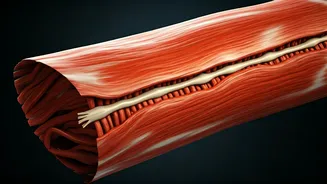

Muscle Growth Explained
Understanding muscle growth starts with knowing its fundamental mechanism: hypertrophy. Hypertrophy, the increase in muscle cell size, happens when your
body repairs and adapts to muscle damage caused by resistance training. The body undergoes a repair process that makes the muscle bigger and stronger. This process is driven by several key factors. Firstly, you must provide a stimulus, typically through resistance training, which challenges your muscles. Secondly, you need sufficient protein intake. Protein provides the necessary amino acids, the building blocks your body uses to rebuild muscle tissue. Thirdly, sufficient rest and recovery are crucial; muscles repair and grow when not actively working. Also, consider the role of hormones like testosterone and growth hormone, which significantly influence muscle growth. These hormones are naturally increased through intense training and adequate sleep. Finally, the correct planning of your workout is crucial. This will ensure proper stress and recovery which would give your body the best opportunity to grow muscle effectively. These factors collectively create the environment necessary for consistent and effective muscle growth.
Training for Hypertrophy
Effective training for muscle growth involves strategic manipulation of several variables. The first and most critical component is progressive overload, gradually increasing the demands placed on your muscles over time. You can do this by increasing the weight, reps, or sets. Then, the workout program needs to feature the right amount of volume. Volume refers to the total amount of work done during a workout, typically measured by sets and reps. A high enough volume is necessary to cause muscle damage and stimulate growth. The intensity of your workouts is another key factor. You need to choose a weight that challenges your muscles, ideally one where you can perform the reps with good form. Furthermore, your choice of exercises should focus on compound movements such as squats, deadlifts, and bench presses, which work multiple muscle groups. Isolation exercises can also have a role in targeting specific muscles. Finally, consider training frequency. Training each muscle group multiple times a week can optimize muscle protein synthesis. You should also ensure you are consistently implementing these different training aspects into your workout routine to see the best results for muscle growth.
Nutrition and Muscle Building
Nutrition plays a pivotal role in the muscle-building process. Protein intake stands out as the cornerstone of muscle growth, which is necessary to rebuild damaged muscle fibers. Aim for a sufficient daily protein intake. Good sources of protein include lean meats, poultry, fish, eggs, dairy products, and plant-based options like beans and tofu. In addition to protein, carbohydrates provide the energy needed to fuel your workouts and support recovery. Complex carbohydrates are the best source, like whole grains, fruits, and vegetables. Healthy fats are important for hormone production and overall health; your diet needs to be a balance of these three macro nutrients. It is also important to eat sufficient calories for muscle growth, ensuring that you're in a moderate caloric surplus, as muscle building requires extra energy. Proper hydration is also essential for optimal muscle function and recovery, so make sure to drink enough water throughout the day. Lastly, consider the timing of your meals; consuming protein and carbs after your workout can help with recovery. Prioritizing these nutritional components ensures that your body has the raw materials needed for muscle growth.
Rest and Recovery
Adequate rest and recovery are essential but often overlooked components of muscle growth. The muscles don't grow during workouts; they grow during rest periods. Prioritize getting enough sleep. Aim for 7-9 hours of quality sleep per night. Sleep is when your body repairs and rebuilds muscle tissue. Without enough sleep, your body can't produce the hormones needed for muscle growth and recovery. Allow adequate rest between workouts, and your muscles need time to repair and adapt. Avoid training the same muscle groups on consecutive days. Consider incorporating active recovery methods, such as light cardio, stretching, and foam rolling, as it can help reduce muscle soreness and improve blood flow. Also, manage stress levels; chronic stress can elevate cortisol levels, which can hinder muscle growth. Ensure you incorporate relaxation techniques to keep the stress at a minimum. Prioritizing sleep, rest, and stress management allows your body to fully capitalize on your training efforts, supporting optimal muscle growth and performance.
Tracking and Progression
Tracking and evaluating your progress is critical for effective muscle building. The first step involves keeping a workout journal. Document your workouts, including exercises, sets, reps, and the weight you lifted. This record helps you track your progress over time and identify areas for improvement. Regularly assess your strength; observe how the weight you are lifting in key exercises progresses. If you're consistently getting stronger, you're on the right track. Take progress photos to visually track changes in your physique; this is useful, as you may not always see results on the scale. Use body measurements to track changes in muscle mass. Measure your biceps, chest, and thighs regularly. Moreover, listen to your body; pay attention to how you feel during your workouts. Be cautious if you start feeling pain. Ensure that you are implementing the required variables to get the best results for muscle growth. Keeping track of your progress provides the necessary information for continuous improvement.
Advanced Strategies
Consider implementing advanced training techniques to further accelerate muscle growth. Vary your rep ranges, as this can stimulate muscle fibers differently. For example, higher rep ranges can enhance muscular endurance. Try to incorporate drop sets to push your muscles past their limits, where you reduce the weight and continue performing reps. Cluster sets are another powerful approach, which involves taking short breaks between sets. You should also consider periodization, which is a systematic approach to varying your training intensity and volume over time, which prevents plateaus. The use of supplements can enhance muscle growth, so you should consider them. Whey protein and creatine are well-researched supplements that are shown to be effective. Ensure you seek advice from qualified professionals before incorporating any new training methods or supplements. By experimenting with these advanced strategies, you can continue challenging your muscles and maximizing your potential for growth.