






The Salt-Sodium Distinction
Understanding the difference between salt and sodium is fundamental, yet often overlooked. Salt, chemically known as sodium chloride, is composed of approximately
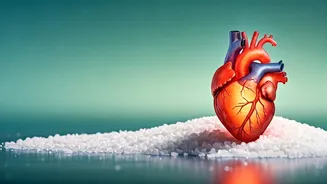
40% sodium and 60% chloride. While sodium is a vital mineral for bodily functions like nerve and muscle operation, its excess intake is a significant contributor to elevated blood pressure. It's crucial to recognize that the majority of dietary sodium doesn't come from the salt shaker at home, but rather from the vast array of packaged and processed foods consumed daily. A single teaspoon of salt, for context, contains roughly 2,300 milligrams of sodium, a benchmark for daily intake recommendations that many are unaware of.
Preventive Messaging Gaps
Preventive health advice concerning salt intake needs to reach beyond individuals already diagnosed with high blood pressure. Experts emphasize that even those with normal blood pressure levels should proactively reduce their salt consumption to mitigate the risk of developing hypertension in the long run. A recent survey involving 480 physicians across multiple Indian cities revealed concerning knowledge gaps. While a large majority (80%) were aware of the World Health Organization's recommendations on salt intake, only 68% could accurately state the daily guideline of 5 grams. This suggests a superficial understanding rather than a deep grasp, potentially leading to diluted advice for patients.
Hidden Sodium Sources
A significant hurdle in managing salt intake is the widespread unawareness of 'hidden' sodium in processed foods. While a substantial portion of physicians (three-fourths) correctly identified home-cooked meals as a primary source of salt in the Indian diet, many showed limited recognition of the sodium content in preservatives and additives like glutamates and sulphites. This lack of awareness directly impedes effective patient counselling, as individuals may unknowingly consume high levels of sodium through seemingly innocuous packaged goods. Misconceptions also abound, with some believing that alternative salts like Himalayan or rock salt are healthier, when in reality, they offer comparable sodium levels to regular salt.
Physician Training Needs
The survey highlighted the urgent need to enhance physician training and medical education concerning nutrition and salt intake. While most physicians (83%) acknowledged the benefits of low-sodium salt and a majority (63%) recognized 24-hour urinary sodium as the definitive method for assessing intake, only about half were aware of the importance of maintaining a healthy potassium balance. Integrating these critical nutrition topics more comprehensively into medical curricula and ongoing professional development programs is essential. Physicians' knowledge must evolve with emerging research to ensure they can provide accurate and effective guidance for preventive health, particularly in areas directly impacting chronic disease management.
Policy and Labelling Reforms
Beyond individual physician knowledge, the survey findings have spurred discussions on broader policy interventions, especially concerning food labelling. The current lack of transparency regarding sodium content in packaged foods makes it difficult for consumers, and even some healthcare professionals, to make informed dietary choices. Future initiatives should prioritize improving food labelling practices to clearly indicate sodium levels. This, coupled with enhanced public awareness campaigns and refined physician education, forms a multi-pronged strategy to effectively combat hypertension by addressing critical gaps in understanding and implementation related to salt consumption.