





Artichoke's Liver Boost
Artichokes are celebrated for their liver-protective qualities, largely due to compounds like cynarin and chlorogenic acid. These elements actively encourage
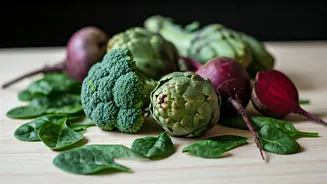
bile production, a crucial digestive fluid that assists the liver in breaking down fats more efficiently. Scientific research, including a 2022 review in _Clinical Nutrition Research_ which analyzed seven studies, has indicated that artichoke leaf extract can lead to improvements in liver enzyme markers like ALT and AST, often used to gauge liver health. Furthermore, these extracts demonstrate a protective effect against oxidative stress within liver tissues. While supplements offer concentrated doses, consuming whole artichokes provides a valuable source of these beneficial compounds alongside other essential nutrients. For those new to preparing artichokes, roasting them and pairing with vibrant ingredients like pesto and tomatoes, served alongside seafood and a roasted sweet potato, offers a delicious and nutritious meal option.
Beets for Liver Vitality
Beets offer significant advantages for liver wellness, thanks to their rich content of betalains and betaine. These potent antioxidants work to mitigate oxidative stress, a cellular damage process, and also aid in supporting the liver's fat metabolism. Beet juice, in particular, has been a focus of research regarding liver health due to its concentrated antioxidant profile. While much of the early research was conducted on animals, findings suggest a protective effect against oxidative stress. More recent human studies, such as a small 2023 study in _Frontiers in Nutrition_, have observed positive impacts on markers associated with fatty liver disease. Incorporating beets can be as simple as blending beet juice into smoothies or combining it with other juices like lemon, carrot, or apple for a balanced flavor. Whole roasted beets are also a fantastic addition to salads, creating delightful combinations like roasted orange, beet, and goat cheese salads with ingredients such as olive oil, salt, pepper, slivered almonds, and arugula. Pre-cooked and peeled beets are also available for added convenience.
Cruciferous Veggies' Detox Power
The cruciferous vegetable family, encompassing items like broccoli, Brussels sprouts, and cauliflower, offers substantial benefits for liver detoxification. These vegetables are rich in compounds such as sulforaphane, which actively supports the liver's natural detoxifying enzymes. This enhancement helps the liver more effectively eliminate waste products from the body. Research has explored the potential of these compounds to ward off fatty liver disease and protect liver tissue. Additionally, studies suggest they may improve insulin sensitivity, aiding the body in managing blood sugar levels more effectively, which is crucial for reducing the risk of conditions like nonalcoholic fatty liver disease. More contemporary research, including a 2023 study in _The American Journal of Clinical Nutrition_, has linked a higher consumption of cruciferous vegetables to a reduced risk of liver cancer and mortality from chronic liver disease. Other excellent options within this category include cabbage, collard greens, kale, and turnips, all of which can be prepared through various methods like roasting, sautéing, or adding to soups and grain bowls.
Leafy Greens' Daily Support
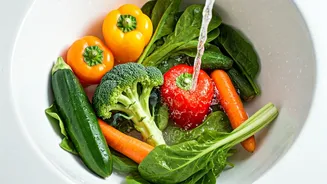
Dark leafy greens are exceptionally beneficial for maintaining liver health, providing consistent nourishment. While some greens, like kale and collard greens, are also cruciferous, even non-cruciferous varieties such as lettuce and spinach offer significant advantages. A 2023 study indicated a connection between increased intake of leafy greens and a lower incidence of liver cancer, mirroring findings from a 2021 study that linked greater consumption to a reduced risk of nonalcoholic fatty liver disease. These greens are packed with potent plant compounds, including lutein and quercetin, which possess anti-inflammatory properties and help shield liver cells from cellular damage. Incorporating them is easy; spinach can be seamlessly added to pasta dishes and soups, while leafy greens serve as an excellent foundation for salads and grain bowls, or can be blended into smoothies and pesto.
Maximizing Vegetable Benefits
To derive the most benefit from these liver-supporting vegetables, consider how you prepare and consume them. Pairing vegetables with healthy fats, such as olive oil, nuts, or seeds, is crucial for enhancing the absorption of fat-soluble vitamins (A, E, K) and antioxidants. For cruciferous vegetables, gentler cooking methods like stir-frying, steaming, or microwaving are recommended over boiling, as these techniques help preserve their beneficial compounds, like sulforaphane, while improving digestibility. The most impactful strategy, however, is to embrace variety. Consuming a mix of different vegetables within the same meal exposes the liver to a wider spectrum of protective plant compounds that often work synergistically. Ultimately, liver health is best supported by an overall dietary pattern rich in diverse plant-based foods rather than relying on single 'superfoods'.