





Underwater Marvels Unveiled
The Maldives, renowned for its idyllic tropical beauty and luxurious resorts, conceals a breathtakingly different world beneath its shimmering surface.
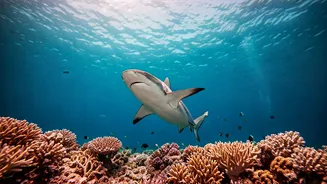
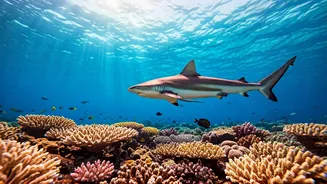
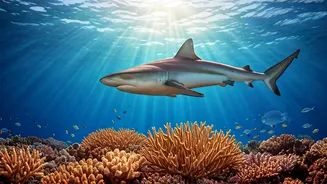
These exquisite ring-shaped coral formations, known as atolls, serve as vital havens for an astonishing array of marine creatures, prominently featuring numerous shark species. Actress Hina Khan recently had an exhilarating encounter swimming alongside these formidable aquatic predators, an experience she eloquently described as 'nothing short of magic'. She shared her profound feelings on Instagram, noting the immense strength derived from swimming with sharks larger than herself in their natural environment, emphasizing that true bravery lies in embracing the unknown and venturing into new territories purposefully. This sentiment highlights the transformative power of confronting challenges and exploring uncharted life experiences.
Fuvahmulah: Shark Haven
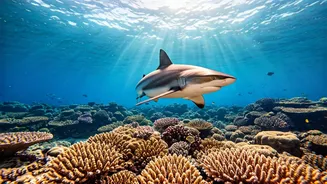
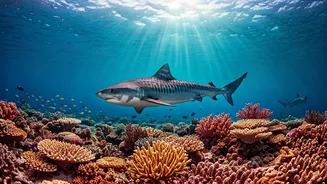
Often hailed as the Maldivian equivalent of the Galapagos Islands, Fuvahmulah Atoll stands out as one of Asia's premier destinations for shark diving enthusiasts. The biodiversity here is simply astonishing, offering sightings of a wide spectrum of sharks including the formidable tiger shark, the distinctive hammerhead, the elegant thresher shark, and the sleek silvertip shark. Beyond sharks, divers can marvel at oceanic manta rays gracefully gliding through the water and witness large congregations of barracudas. The marine spectacle extends to pelagic fish like yellowfin tuna and bonitos, speedy sailfish, and even the unusual Mola mola, alongside majestic pilot whales, promising an unforgettable diving expedition filled with diverse and awe-inspiring encounters.
Rasdhoo's Aquatic Gems
Rasdhoo Atoll presents a compelling draw for both marine life aficionados and beach lovers, offering a rich tapestry of underwater encounters alongside its beautiful shorelines. Visitors to this area have excellent opportunities to spot hammerhead sharks and graceful manta rays, as well as observe vibrant schools of fish navigating the coral reefs. The optimal period for experiencing the underwater wonders of Rasdhoo is typically between the months of January and April, when marine activity is at its peak, providing clear waters and abundant sightings that enhance the diving and snorkeling experience. This timing ensures visitors can make the most of the natural beauty both above and below the water.
South Male's Reef Sharks
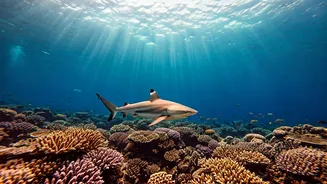
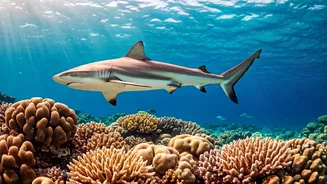
Despite its convenient accessibility, being in close proximity to the international airport, the South Male Atoll maintains a relatively tranquil atmosphere, characterized by its three local islands. This area is particularly well-suited for travelers seeking budget-friendly options or those embarking on solo journeys. The atoll is a known habitat for grey and white-tip reef sharks, which are frequently sighted, offering ample opportunities for divers and snorkelers to observe these magnificent creatures. The prime time for shark sightings in South Male extends from January to April, making it an ideal destination for those looking for reliable reef shark encounters in a more serene setting.
South Ari's Gentle Giants
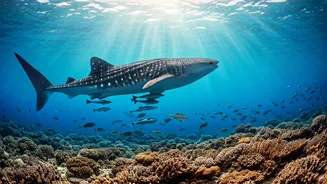
South Ari Atoll represents one of the more developed island chains within the Maldives, yet it steadfastly continues to captivate tourists with its pristine natural allure and consistent marine populations. A significant draw for this atoll is its year-round presence of whale sharks, the largest fish in the ocean, offering visitors a remarkable chance to encounter these gentle giants. The consistent availability of whale sharks makes South Ari a highly sought-after destination for divers and marine biologists alike, providing an unparalleled opportunity to witness these magnificent creatures in their natural habitat throughout the year, adding to the Maldives' reputation for exceptional marine life encounters.
Vaavu's Dynamic Currents
Vaavu Atoll is distinguished by its unique geographical features, particularly its channels that experience strong tidal currents flowing through narrow breaks in the reef. These dynamic underwater conditions create an environment perfectly suited for exhilarating shark diving experiences, which are particularly favorable between January and April. Divers can anticipate thrilling encounters with large aggregations of grey reef and white-tip reef sharks, often swimming in close proximity to vast schools of barracuda, snapper, and trevally. The convergence of currents and diverse marine life makes Vaavu a premier spot for adrenaline-pumping dives and spectacular underwater photography.
Huvadhoo's Secluded Depths
Huvadhoo Atoll ranks among the largest and most remote atolls in the Maldives, situated approximately 50 kilometers away from its nearest neighboring islands. Its outer reefs are directly influenced by powerful open-ocean currents that ebb and flow through the surrounding waters. These vast, less-explored waters provide an expansive domain for an impressive variety of up to 13 distinct shark species. Visitors can commonly encounter grey reef sharks, majestic whale sharks, resilient nurse sharks, and agile spinner sharks, among others. The sheer scale and relative isolation of Huvadhoo offer a unique opportunity for divers to experience a less disturbed and more wild underwater ecosystem.
Responsible Diving Practices
To ensure a safe and respectful interaction with the Maldives' incredible marine life, particularly sharks, adherence to certain guidelines is paramount. Always opt for a dive with a certified and reputable dive center that prioritizes safety and conservation. It is crucial to maintain a respectful distance from the sharks at all times, refraining from any actions that could startle or provoke them. Never attempt to touch, chase, or feed these animals, as this disrupts their natural behavior and poses risks to both them and the diver. Avoiding sudden movements and staying calm throughout the dive are essential for a peaceful encounter. Finally, always follow the instructions provided by your dive leader, who is trained to manage these situations effectively and ensure the well-being of all involved.