
Salad Essentials Unveiled
Creating a great salad starts with mastering the fundamentals. Begin by selecting a base of fresh greens such as romaine lettuce, spinach, or mixed greens.
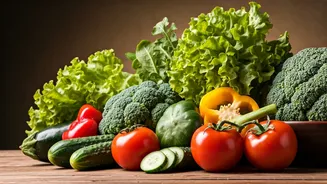
These provide the essential foundation. Next, incorporate a variety of colorful vegetables, like bell peppers, cucumbers, and tomatoes, to add texture and nutrients. Add lean proteins such as grilled chicken, tofu, or chickpeas for a fulfilling meal. Don't forget healthy fats, which can come from avocado, nuts, or seeds, to boost the flavor. Finish with a homemade dressing of olive oil, vinegar, and your favorite herbs and spices for the perfect finishing touch. By focusing on quality ingredients, you can easily create custom salads at home that are tailored to your health and taste preferences.
Classic Salad Delights
This section dives into the timeless salad classics that form the bedrock of many healthy diets. The first is the Caesar salad, a perennial favorite. It combines crisp romaine lettuce with creamy Caesar dressing, parmesan cheese, and crunchy croutons. Next, explore the Greek salad, which balances tangy flavors with fresh ingredients. This salad typically includes tomatoes, cucumbers, onions, olives, and feta cheese, all tossed in a simple vinaigrette. Then, there's the Cobb salad, a substantial and satisfying option, incorporating grilled chicken, bacon, hard-boiled eggs, avocado, and blue cheese on a bed of greens. These salads offer a delicious way to enjoy a balanced diet.
Vibrant Veggie Salads
Explore salads centered on colorful and flavorful vegetables. The Caprese salad, an Italian delight, beautifully pairs fresh mozzarella, ripe tomatoes, and fragrant basil leaves. A simple drizzle of balsamic glaze elevates the flavors. Next, try a roasted vegetable salad, where seasonal vegetables like bell peppers, zucchini, and eggplant are roasted until tender and slightly caramelized. Mix them with a light dressing of olive oil, herbs, and lemon juice. The rainbow salad is another option, featuring a medley of raw, colorful vegetables like carrots, beets, and radishes, served with a vibrant dressing for added taste. These veggie-packed salads are ideal for any meal.
Protein-Packed Creations
Increase the protein intake by incorporating lean protein sources into the salad. Chicken salads offer versatility, allowing for grilled, baked, or shredded chicken, mixed with various ingredients such as grapes, celery, and a light dressing. Consider a tuna salad for a quick and easy option, using canned tuna mixed with mayonnaise, celery, and onions. For a vegetarian option, try a black bean and corn salad. It combines the protein-rich beans and corn with bell peppers, onions, and a zesty lime dressing. These protein-rich salads are filling, nourishing, and a great way to boost energy.
Global Salad Explorations
Take your taste buds around the world with globally-inspired salad recipes. The Asian-inspired salad is a vibrant blend of fresh ingredients. It typically features shredded cabbage, carrots, edamame, and a delicious sesame ginger dressing. The Mexican street corn salad is a hearty dish that includes grilled corn kernels, black beans, bell peppers, and a creamy, chili-lime dressing. A Mediterranean salad, incorporating ingredients like chickpeas, cucumbers, tomatoes, olives, and feta cheese, offers a refreshing taste. These salads introduce flavors from different cultures.
Fruit-Filled Salads
Incorporating fruits into salads can boost the flavor profile and nutritional value. The strawberry spinach salad is a light and refreshing choice, combining fresh spinach, strawberries, goat cheese, and a poppy seed dressing. The tropical fruit salad is another option, featuring a combination of mango, pineapple, and other seasonal fruits, complemented by a lime and honey dressing. Adding fruits can make the salads not only healthy but also sweet. A simple apple walnut salad, which brings together crisp apples, walnuts, and a light vinaigrette, provides a delightful contrast of flavors and textures, making it a great addition to any meal.
Healthy Dressing Secrets
The dressing determines how much you enjoy a salad. Making homemade dressings is a simple way to control ingredients and customize flavors. Classic vinaigrettes made with olive oil, vinegar, and herbs are always a great option. For a creamy dressing, blend Greek yogurt or avocado for extra richness and health benefits. Experiment with different vinegars, from balsamic to apple cider, to add different dimensions to the taste. For example, a lemon vinaigrette can brighten any salad, while a balsamic vinaigrette can elevate the flavors. Also, herbs and spices add a burst of flavor, and dressings are easy to adjust.
Salad Meal Prep Tips
Efficient meal preparation will help you maintain a healthy eating routine. Prepare ingredients in advance, chopping vegetables, cooking proteins, and making dressings ahead of time. This saves valuable time during the week. Store ingredients separately to keep them fresh and to prevent the salad from becoming soggy. Place the dressing and delicate ingredients, such as avocado or nuts, just before serving. Create salad jars or containers with pre-portioned ingredients. Start with the dressing at the bottom and the heartier ingredients, such as vegetables and grains, on top. This meal-prep technique promotes healthy eating habits.
Customizing for Preferences
Salads are the easiest way to customize your meals to align with any dietary needs and taste preferences. You can easily adapt recipes to fit your needs, such as modifying them for vegetarian, vegan, or gluten-free diets. Replace animal proteins with plant-based alternatives. Add legumes or tofu and use gluten-free grains. For those with allergies, always check ingredients carefully and avoid any trigger ingredients. By focusing on fresh and unprocessed ingredients, you can make your salads both delicious and healthy. You have the freedom to be creative with ingredients.
Salad Recipe Variations
To prevent your healthy eating from getting boring, there are countless ways to mix things up and bring variety to your meals. Start with the base, and use a variety of leafy greens for different flavors. Change the proteins, using grilled chicken, fish, or tofu to add variety. Also, incorporate different grains such as quinoa, rice, or couscous for additional textures and nutrients. Dressings and toppings will also add freshness and flavor. Experiment with different combinations of flavors, textures, and ingredients to create salads.