







Early Symptoms Unveiled
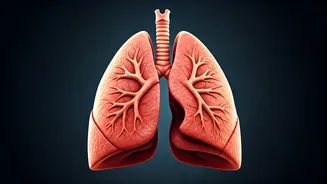
Lung cancer's initial manifestations can be easily mistaken for less serious ailments, which is why it is of paramount importance to be vigilant about
changes in your health. A persistent cough, for instance, which lingers for weeks and doesn't seem to improve, could be an early symptom. Other potential signs include chest pain that worsens with deep breathing, coughing, or laughing, and shortness of breath, making everyday activities feel challenging. Furthermore, unexplained weight loss and fatigue that doesn't subside with rest are also red flags. Keep in mind that these symptoms could indicate other conditions too, but getting them checked out early is always a good idea. Consulting a healthcare professional promptly ensures accurate diagnosis and timely treatment initiation, greatly improving the chances of a positive outcome. A proactive approach is key to managing health concerns effectively.
Non-Smokers Also At Risk
While smoking is a major risk factor, lung cancer can occur in individuals who have never smoked. Exposure to environmental factors, such as radon, asbestos, and air pollution, raises the risk, highlighting that avoiding cigarette smoke does not necessarily guarantee protection. Genetic predispositions and family history can also contribute. This knowledge underscores the need for regular screenings and health check-ups, especially for individuals with risk factors, regardless of smoking history. Regular check-ups help with identifying any unusual health changes and starting necessary interventions promptly, emphasizing that anyone can be vulnerable to lung cancer.
Why Symptoms Are Missed
The delay in recognizing lung cancer can be attributed to several factors. Early symptoms are often subtle and can mimic less serious conditions, such as the common cold or bronchitis. Individuals may delay seeking medical advice, attributing their symptoms to temporary or non-threatening causes. The lack of awareness about the less common symptoms, such as bone pain or headaches, also contributes to delays in diagnosis. Furthermore, the absence of widespread screening programs for individuals at risk, like non-smokers, can also lead to delayed detection. Early diagnosis is essential because it boosts the potential for successful treatment. Raising awareness regarding symptoms and the significance of timely check-ups can contribute to improved health outcomes.
Medical Advice: When?
Prompt medical consultation is critical when you notice any persistent or concerning symptoms, such as a prolonged cough, chest pain, or breathing difficulties. If you experience unexpected weight loss, fatigue, or any other unusual changes, consult your healthcare provider. The importance of seeking timely medical assistance should not be underestimated. Your doctor may conduct a physical examination, review your medical history, and order diagnostic tests such as chest X-rays, CT scans, or other imaging methods to ensure an accurate diagnosis. Early diagnosis facilitates prompt treatment, boosting the chances of effective intervention and increased survival rates. Consulting medical experts is essential for health management.