




Surging Prices Explained
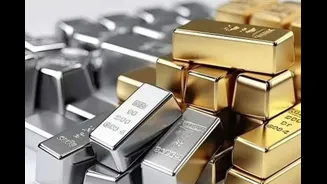
The remarkable climb in gold and silver prices can be attributed to a confluence of several key factors. One major driver is the persistent economic uncertainty
seen globally. This hesitancy in the financial markets makes safe-haven assets like gold and silver particularly attractive to investors who are wary of stock market volatility or currency devaluation. Simultaneously, central banks around the world have been actively increasing their gold reserves, signaling a vote of confidence in the metal's enduring value and a hedge against inflation. Another substantial influence is the ongoing geopolitical instability, which often pushes investors toward precious metals as a means of preserving wealth during turbulent times. Furthermore, supply and demand dynamics play a critical role, as increased demand against a potentially constrained supply further supports price increases. Considering these interconnected elements, it is clear that a combination of economic, political, and market forces is at play in pushing gold and silver prices to their current elevated levels.
Economic Uncertainty's Role
Economic uncertainty serves as a primary catalyst behind the escalating prices of gold and silver. As global economies face challenges such as inflation concerns, recession fears, and volatility in financial markets, investors are consistently seeking refuge in assets that historically have proven to maintain their value during periods of economic distress. Gold, in particular, has long been regarded as a safe haven, possessing a remarkable ability to retain its worth even when other investments lose value. This characteristic makes it a valuable asset for investors looking to protect their portfolios against potential economic downturns. The unpredictable nature of the market, fueled by factors like interest rate fluctuations and shifts in consumer spending, accentuates the perceived necessity of securing assets like gold and silver to hedge against economic instability, thereby driving up prices due to the increased demand.
Central Banks' Influence
The actions of central banks across the globe exert a significant influence on the gold market. When central banks increase their gold reserves, they are effectively signaling their confidence in the metal as a long-term store of value and a strategic asset. These purchases can increase demand in the market, which can contribute to higher prices. Additionally, central banks often buy gold to diversify their reserves and protect against currency devaluation. For example, a central bank might choose to hold gold as a hedge against the depreciation of its own currency or another major currency. The trend of central banks accumulating gold provides further support to the price levels, especially when combined with the ongoing economic and geopolitical uncertainties. Their purchasing decisions, based on careful economic analysis, reinforce the perception of gold as a dependable investment during periods of financial instability.
Geopolitical Instability's Impact
Geopolitical instability is a significant driver behind the increase in gold and silver prices. Conflicts, tensions, and uncertain political landscapes create an environment where investors often seek safe-haven assets, such as precious metals, to protect their investments. The increasing risk associated with these events causes a sense of economic insecurity. Gold and silver become attractive as they are traditionally viewed as secure and stable assets in times of global uncertainty. They function as a hedge against potential financial and economic turmoil that could arise from these types of occurrences. As geopolitical risks escalate, demand increases, leading to a surge in prices. The unpredictability of these events further reinforces gold and silver's appeal, causing investors to see precious metals as a secure refuge during volatile periods, thereby supporting a sustained upward trajectory of their prices.
Supply & Demand Dynamics
The fundamental principles of supply and demand significantly shape the trajectory of gold and silver prices. As demand for precious metals increases, especially from investors seeking a safe haven or from industrial applications, and if the available supply does not grow at the same pace, prices are likely to rise. Limitations in supply, such as the constraints on mining production or limitations on recycled metal, can exacerbate price increases. Conversely, if supply outstrips demand, prices could potentially fall. The interplay of these forces means that any factor impacting either the supply or demand can directly affect the market's valuation of gold and silver. Increased demand from new investors or central banks, combined with potential disruptions to mining or refining capabilities, can lead to upward price movements. This underscores the importance of monitoring both the production side of precious metals and the various types of investors in the market.
What to Expect Next?
Predicting the future of gold and silver prices involves considering the interconnected factors mentioned earlier, along with forecasts from market experts and economic indicators. Economic indicators, such as inflation rates, interest rate decisions by central banks, and GDP growth, offer insights into the health of the global economy, which directly affects precious metal performance. Financial analysts often predict a continued upward trend in precious metal prices, assuming continued economic uncertainty and a sustained demand from investors. Many investors use these metals as a hedge against inflation. This means that a rise in inflation might cause increased demand and higher prices for both gold and silver. However, prices are also subject to fluctuations, and various factors could lead to both short-term and long-term price corrections. Therefore, investors should remain informed about current events and financial forecasts to make knowledgeable decisions about the future.
Investment Strategies for India
Indian investors considering gold and silver must take a strategic approach. They should consider their individual risk tolerance, as well as investment goals. One popular method is to diversify portfolios by including gold and silver, typically allocating a percentage of the total investment to these metals. Investing in gold and silver can be done through various means, including physical bullion, gold and silver ETFs, and sovereign gold bonds. Each investment option has its own benefits and associated risks. For example, physical bullion provides direct ownership but involves storage costs and security concerns. Gold ETFs allow investors to gain exposure to the price of gold without owning the physical metal. Government bonds offer an interest rate return in addition to potential price appreciation. Additionally, investors should always consult with a qualified financial advisor to make appropriate decisions that align with their personal financial needs.