




What is Skin Flooding?
Imagine your skin as a thirsty sponge. If you pour thick moisturizer onto a dry sponge, it just sits on top. However, if you dampen the sponge first, it becomes
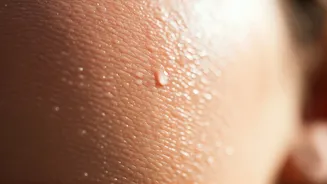
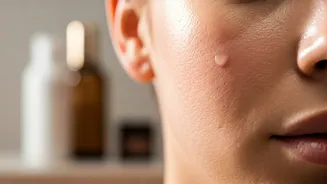
receptive and absorbs water readily. Skin flooding operates on this very principle. It's a popular skincare practice focused on applying water-based humectants to damp skin, significantly increasing water absorption. Once the skin is thoroughly saturated with moisture, a richer, emollient product is applied to lock in all that beneficial hydration, preventing it from evaporating. This strategic layering, rather than relying on one expensive product, is the key to achieving a deeply hydrated and plump complexion.
The Four-Step Method
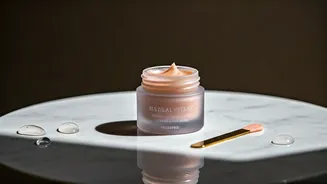
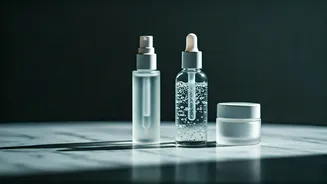
Mastering skin flooding is remarkably straightforward and involves a specific order of product application, moving from the thinnest to the thickest textures. Begin with a gentle, non-stripping cleanser to remove impurities without compromising your skin's natural moisture barrier. The crucial step follows: do not fully dry your face. Apply subsequent products while your skin is still noticeably damp. If you prefer to pat your face dry, immediately re-dampen it with a hydrating facial mist or a water-based essence. Next, while the skin remains wet, layer on a lightweight, water-based serum rich in humectants like hyaluronic acid or glycerin, which act as moisture magnets. Finally, to seal in all the absorbed hydration, apply a solid emollient or occlusive moisturizer. Look for creams containing ingredients such as ceramides, squalane, or shea butter to create a protective barrier that minimizes trans-epidermal water loss, ensuring your skin stays hydrated.
Hydration Benefits Unveiled
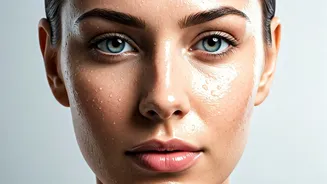
The immense popularity of skin flooding stems from its ability to provide immediate and sustained relief for dry, parched skin, resulting in a naturally radiant and bouncy appearance. Beyond its aesthetic advantages, this technique significantly supports a compromised skin barrier, leading to reduced redness, decreased inflammation, and overall lower skin sensitivity. By plumping the skin with ample hydration, the appearance of fine lines is diminished, creating a remarkably smooth canvas. This enhanced smoothness makes makeup application incredibly effortless, allowing products to glide on seamlessly for a flawless finish. It's a comprehensive approach to improving skin health and achieving that coveted dewy look.
Tailoring to Your Skin
While the skin flooding concept is enticing, it's essential to adapt it to your individual skin type. For those with dry or dehydrated skin, this method is transformative, particularly during drier seasons when moisture is easily lost, combating flakiness and dullness effectively. Individuals with sensitive skin can also benefit immensely from this gentle, hydration-focused routine, provided they opt for simple, fragrance-free formulations to prevent irritation. However, people with oily or acne-prone skin must exercise significant caution. Layering numerous hydrating products and finishing with a heavy occlusive cream can inadvertently trap sweat, excess oil, and bacteria, leading to clogged pores and breakouts. If you have such skin concerns and wish to try skin flooding, consider omitting the thick sealing cream altogether and opt for lightweight, oil-free, and non-comedogenic gel moisturizers instead to achieve hydration without compromising your complexion.