






New Statin Kidney Risks
A substantial research effort, meticulously analyzing the health records of almost 947,000 individuals between 2011 and 2019, has brought to light a potential
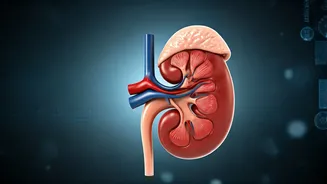
issue with a popular cholesterol medication. When compared to patients who were prescribed atorvastatin, those taking rosuvastatin demonstrated a greater propensity for experiencing kidney-related complications. Specifically, the study observed an 8% increase in the likelihood of detecting blood in urine and a concerning 17% rise in the occurrence of proteinuria, which is the leakage of protein into the urine. The implications of these findings are significant, especially considering that severe kidney damage can ultimately necessitate intensive treatments like dialysis or even a kidney transplant. This recent evidence bolsters earlier indications of these side effects that were noted during the drug's initial approval stages, solidifying concerns with a much larger and more robust dataset.
High-Dose Dangers
Beyond general kidney issues, the research highlighted a particularly alarming trend concerning the dosage of rosuvastatin. The study revealed that using high doses of this medication was associated with a 15% elevated risk of progressing to kidney failure. This is especially troubling because, despite existing medical guidelines that recommend limiting dosages for individuals already managing kidney problems, a significant number of patients continue to be prescribed higher amounts. While both rosuvastatin and atorvastatin are recognized for their efficacy in safeguarding heart health, this new data strongly suggests that rosuvastatin might carry a disproportionately higher burden of risk when it comes to the long-term well-being of the kidneys, prompting a need for careful reconsideration of prescription practices.
Patient Action Plan
Medical professionals are emphasizing a crucial point for patients currently using statin medications: do not, under any circumstances, cease taking your prescribed medication abruptly. Such an action could inadvertently heighten your risk of heart-related problems, negating the very benefits the statin is intended to provide. Instead, individuals who are on rosuvastatin are strongly advised to schedule a consultation with their healthcare provider. During this appointment, it is essential to undergo kidney function tests to assess current health status. Following these evaluations, patients should engage in an open discussion with their doctor to explore the possibility of switching to alternative medications, such as atorvastatin, which may offer a safer profile for their kidney health without compromising cardiovascular protection.
Cholesterol and Lifestyle
In today's world, the prevalence of high cholesterol and associated heart conditions is a growing concern, affecting individuals across all age groups, including younger populations. This trend is often attributed to evolving lifestyles and dietary habits that are less conducive to good health. Consequently, millions of people depend on statin medications as a vital tool to manage their cholesterol levels, particularly the 'bad' LDL cholesterol, and to significantly reduce their risk of heart disease. These drugs play a critical role in cardiovascular health management for a vast number of patients, underscoring the importance of understanding the nuances and potential side effects of the medications prescribed.