



Moon Phase Matters
A common pitfall for aspiring stargazers is overlooking the moon's powerful influence. While a full moon illuminates the landscape, it also acts as the sky's
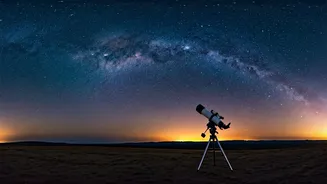
primary light polluter, washing out fainter celestial objects. For an optimal view of the Milky Way and deep-sky wonders, aim for the period from the last quarter moon up to just after the new moon. This roughly 10-night window offers skies free from significant moonlight interference. Planning your stargazing trips around this lunar cycle, rather than against it, will dramatically enhance what you can observe, turning a potentially disappointing experience into a breathtaking one. Consider this phase your secret weapon for truly dark skies.
City Sky Advantage
Don't let urban living deter you from stargazing. While the pristine darkness of remote locations is unparalleled, city skies offer a unique starting point for beginners. The reduced number of visible stars due to light pollution actually simplifies the night sky, making major constellations easier to identify and learn. Think of it as a curated, high-contrast map of the heavens. Instead of searching for complete darkness, seek out areas with relative shadow. This approach allows you to build a foundational understanding of the night sky's patterns without feeling overwhelmed. It’s a stepping stone, much like learning the alphabet before tackling a novel, providing an accessible entry point to the wonders above.
Celestial Cycles Unveiled
The night sky is not static; it's a dynamic theater that changes nightly and seasonally. Due to Earth's orbit around the sun, stars appear to rise approximately four minutes earlier each evening. This seemingly small shift accumulates significantly over weeks and months, altering which constellations dominate the sky at different times. Understanding this predictable celestial motion is key to appreciating the sky's evolving panorama. It explains why different constellations are visible in different seasons and helps you anticipate what will be visible tonight. Recognizing this rhythm allows you to engage more deeply with the universe's grand, year-long performance.
Bite-Sized Learning
The pursuit of stargazing mastery doesn't necessitate marathon sessions under ideal conditions. In fact, short, regular observations yield more profound learning. Dedicating just 20 minutes each night, at a consistent time, to observing the sky can lead to a much deeper understanding than infrequent, lengthy expeditions. Focus on identifying a familiar constellation, then repeat the process the following night. This consistent engagement, combining reinforcement of previously learned material with the introduction of new celestial sights, builds familiarity and comprehension. The key is repetition and patient observation, allowing the patterns of the night sky to gradually reveal themselves.
Embrace Dark Adaptation
Maximizing your stargazing potential requires patience and care for your eyesight. After spending at least 20 minutes away from bright light sources, your eyes become significantly more sensitive to the faint glow of distant stars and nebulae. This dark adaptation is crucial for revealing a much richer celestial tapestry. A common mistake is using smartphones at full brightness, which instantly negates your hard-earned adaptation. If you must use an app, switch to its red-light mode, as red light has a minimal impact on night vision. Allowing your eyes to adjust properly will unlock dimmer objects and finer details in the cosmos.
Peripheral Vision Power
Your peripheral vision is an underutilized tool for enhancing your stargazing experience. The receptors in the outer edges of your retina are more sensitive to low light than those in the center. Therefore, when trying to observe faint objects like star clusters, nebulae, or galaxies, it's more effective to look slightly to the side of them rather than directly at them. This subtle shift in focus allows your eyes' more sensitive peripheral areas to detect fainter light. The Pleiades star cluster is a prime example: direct observation might reveal only a few stars, but glancing slightly away can suddenly make the entire cluster’s faint glow apparent.
Meteor Showers: Realistic Views
The spectacular images of meteor showers often seen in media can create unrealistic expectations. While dazzling 'fireballs' streaking across the sky are thrilling, the reality of observing a meteor shower usually involves significant time and patience. Unlike the perfectly curated astrophotography composites, actual viewing requires dark skies, clear weather, and a considerable amount of looking. Meteor showers are best enjoyed as an exciting bonus to a night of general stargazing, rather than a guaranteed, jaw-dropping spectacle. Prepare for periods of waiting and modest activity, and appreciate any meteors you do see as a delightful addition to your cosmic adventure.