




Chaat Cravings & Weight Loss
Indian street food, a beloved part of culture, often faces scrutiny in weight loss journeys. Aloo tikki and dahi bhalla are popular choices, presenting
a common dilemma for dieters. The key to enjoying these treats while managing weight lies in understanding their composition, nutritional value, and the crucial role of preparation and portion control. It's not about complete abstinence, but rather making informed decisions that can integrate these familiar flavors into a balanced, calorie-aware eating plan.
Nutritional Showdown: Tikki vs. Bhalla
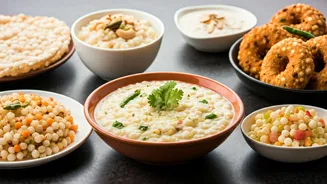
At its core, aloo tikki is crafted from mashed potatoes, often enhanced with peas and spices, and then fried. While potatoes themselves offer fiber and essential nutrients like potassium and vitamin C, the frying process dramatically escalates their calorie and fat content. A single street-style aloo tikki can pack 150-200 calories, predominantly from refined carbohydrates and absorbed oil. In contrast, dahi bhalla features vadas made from lentils, served in yogurt. Lentils are a powerhouse of plant-based protein and fiber, crucial for feeling full and maintaining muscle mass during weight reduction. Yogurt contributes beneficial probiotics for digestion and calcium. However, the nutritional profile of dahi bhalla can be significantly altered by the amount and type of sweeteners and yogurt used.
Calories, Carbs, and Fat Insights
Weight management hinges on calorie intake, but the source of those calories is equally vital. Aloo tikki is primarily a carbohydrate-heavy dish, with starch and oil dominating its caloric makeup. Despite initial feelings of fullness, its quick digestion can lead to renewed hunger sooner. Nutritionists often highlight how refined carbs and fats, when lacking sufficient protein, can cause blood sugar fluctuations, potentially triggering cravings and overconsumption later. Dahi bhalla typically offers a more favorable macronutrient balance, although generous toppings can elevate its calorie count substantially. The presence of protein and fiber in dahi bhalla provides a more sustained energy release compared to the rapid impact of refined carbs in aloo tikki.
Protein & Fiber for Fullness
Registered dietitians consistently emphasize the importance of protein and fiber in managing appetite effectively. This is where dahi bhalla demonstrates a clear advantage. The lentils provide valuable plant protein, and the yogurt adds to the feeling of satiety. Scientific studies suggest that diets richer in protein can contribute to a reduced overall calorie intake by enhancing feelings of fullness. When dahi bhalla is prepared with moderate amounts of yogurt and minimal added sugar, it is more likely to keep you satisfied for a longer duration than a fried snack like aloo tikki, which offers less sustained appetite control.
Cooking Methods Matter
The way a dish is prepared can profoundly impact its health profile, often more so than the ingredients themselves. Deep-frying aloo tikki results in significant oil absorption, drastically increasing its fat and calorie load. Even shallow-fried versions can become calorie-dense with excessive oil. Healthier alternatives recommended by many nutritionists include baking or air-frying aloo tikki, methods that reduce fat content while preserving flavor. Similarly, dahi bhalla preparation can be optimized. While soaking the fried vadas helps, it doesn't eliminate all absorbed oil. Utilizing less oil during frying and opting for low-fat, whisked yogurt can significantly improve its dietary suitability.
Portion Control & Toppings
The quantity of food consumed, along with added toppings, plays a critical role in determining the nutritional impact of street food items. Consuming two or three aloo tikkis, especially with chutneys, can easily surpass 400 calories. Likewise, dahi bhalla, laden with sweet tamarind chutney, sev, and extra curd, can reach similar calorie levels. Sports nutritionists often advise minimizing high-calorie toppings and prioritizing spices for flavor. Opting for green chutney over sweet varieties, omitting sev, and requesting less curd can make dahi bhalla a lighter choice. For aloo tikki, limiting intake to a single piece and pairing it with a protein-rich accompaniment like yogurt can help maintain dietary balance.
The Verdict: Healthier Chaat Choice
When directly comparing the two, dahi bhalla emerges as the more advantageous option for those focusing on weight loss, provided it's prepared thoughtfully. Its superior protein content, probiotic benefits, and ability to promote greater satiety make it a more diet-friendly choice. Aloo tikki isn't entirely off-limits but, due to its fried nature and lower protein content, it's best enjoyed as an occasional indulgence. The consensus among nutritionists is that weight loss is achievable through smart choices rather than complete food restriction. Preparing healthier versions of aloo tikki at home or choosing controlled portions of dahi bhalla allows for enjoyment without compromising progress. Ultimately, balance, mindful consumption, and moderation are paramount, far more so than completely abandoning cherished flavors.