




Viral Videos Deceptive
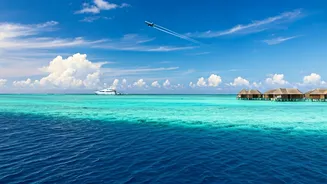
Recent social media trends, particularly on platforms like Instagram and TikTok, have showcased seemingly deserted Maldivian beaches and empty luxury villas,
leading many to believe the tourism industry is in a severe downturn. Some viral posts even cite local accounts suggesting a drastic 90% reduction in visitors. However, these snapshots often fail to capture the full economic picture, hinting at a more nuanced reality beneath the surface of these attention-grabbing clips. While some segments of tourism may be experiencing challenges, the overall narrative of a complete collapse is far from accurate.
Flight Disruptions Impact
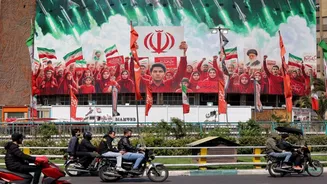
The primary reason behind the perceived dip in tourism isn't the safety of the Maldives itself, but rather the logistical hurdles in reaching the islands. Many European travelers typically transit through major Middle Eastern hubs like Dubai, Doha, and Abu Dhabi. The ongoing Iran-Israel conflict has led to significant flight cancellations and a general apprehension about traveling through these regions, directly impacting bookings from Europe. Reports indicated that nearly 500 flights to the Maldives were canceled in March alone. This disruption has caused substantial financial losses for travel operators, with one European DMC reporting an €11 million deficit due to thousands of cancellations. The recovery of traveler confidence in using these transit points is expected to take several months, even after the geopolitical situation stabilizes.
Indian Traveler Costs
For travelers from India, the primary concern is not safety but the dramatic escalation in airfare costs. The price of a round-trip ticket to the Maldives, which previously ranged from approximately ₹25,000 to ₹30,000, has surged significantly. In some instances, tickets have reached as high as ₹82,000 for economy class last month, a price point considered unprecedented. Consequently, outbound travel from India to the Maldives has seen a marginal decrease of about 10-15%. Many Indian travelers are now opting for alternative destinations like Mauritius, which is experiencing an increase in bookings due to more consistent flight operations and stable travel routes.
Luxury Segment Thrives
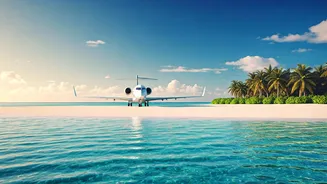
Interestingly, while the average tourist faces booking challenges and high costs, the ultra-luxury segment of the Maldives tourism market is experiencing a boom. Reports indicate a substantial increase in private jet arrivals, with 128 private jets landing in the Maldives between February 18 and March 14, representing a 166% rise compared to the previous year. This surge in private jet travel demonstrates that affluent travelers are bypassing traditional commercial flight routes and opting for direct, exclusive journeys. Although this segment constitutes less than 1% of total arrivals, it contributes significantly to the overall revenue generated by the tourism sector, creating a stark contrast with the experiences of budget-conscious travelers.
Resort Pricing Shifts
With the peak season concluding and the aim to attract more visitors, many resorts in the Maldives have begun to significantly reduce their prices. Accommodation that would typically command prices around USD 3,000 during the high season is now available for USD 2,000 to USD 2,200. This reduction, combined with the standard seasonal discounts of 20-35%, offers travelers an additional 10-20% saving. This strategic price adjustment is part of an effort by the industry to stimulate demand and mitigate the impact of fewer overall arrivals, especially as the country moves out of its busiest period.