




Understanding the Heatwave
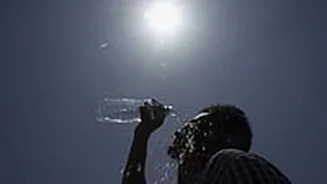
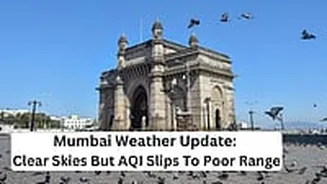
Mumbai, a bustling metropolis, is increasingly susceptible to extreme heat due to global warming and its urban landscape. The Indian Meteorological Department
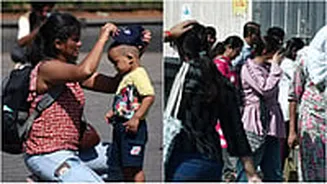
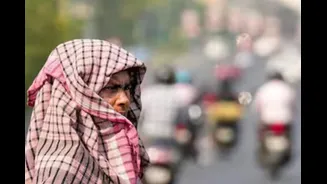
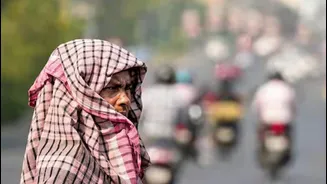
(IMD) has issued a yellow alert for the city, Thane, Palghar, and other parts of Maharashtra, predicting hot weather and potential heatwave conditions. A mere 1-degree Celsius rise in global temperatures is linked to extended periods of heatwaves. High humidity, strong winds, and the duration of these events can exacerbate their impact. Vulnerable groups, including the elderly, children, individuals with health conditions, and those who are overweight, are at greater risk. People engaged in outdoor work or frequent travel also need to be particularly cautious.
Proactive Heat Safety
To navigate the sweltering summer, it's crucial to implement a few simple yet effective strategies. Firstly, avoid strenuous physical activities during the peak heat of the day, typically from mid-noon onwards. Staying well-hydrated is paramount; continuously drink plenty of water throughout the day. Steer clear of beverages high in caffeine or sugar, as these can contribute to dehydration. Opt for lightweight, light-colored clothing that reflects sunlight and allows your skin to breathe. If you must be outdoors for work, remember to take regular breaks to rest and cool down, preventing your body from overheating.
Recognizing Heatstroke Symptoms
Awareness of the early warning signs of heat-related illnesses is critical for timely intervention. Common symptoms include feeling exhausted, experiencing dizziness, or a general sense of weakness. Heat fatigue and fainting spells can also occur. A more severe condition, heatstroke, is a medical emergency. Recognizing these indicators promptly can make a significant difference in preventing serious health complications.
Essential First Aid Steps
Should someone exhibit symptoms of heatstroke, immediate first aid is necessary. The most important initial step is to move the affected person to a cooler, shaded environment and help them lie down. Applying cold compresses to their skin can help reduce body temperature. Offer small sips of chilled water to rehydrate them gradually. Once the individual has stabilized and is recovering, it's beneficial to offer them foods that have a high moisture content, such as fruits and vegetables, to further aid in their recovery and replenishment.
Long-Term Heatwave Preparedness
While the immediate tips for heatwave survival are vital, a broader understanding of preparedness is also beneficial. Staying indoors as much as possible and maintaining a cool environment within your home are key preventive measures. If you experience symptoms like dizziness or feeling unwell, it's always advisable to consult a healthcare professional. Remembering that heatwaves are a growing concern due to climate change, incorporating these practices into your daily routine during hot weather seasons can significantly mitigate the risks associated with extreme heat.