






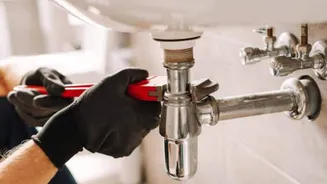

The Drain's Dirty Secret
While we often focus on visible food sources like fruit bowls and trash cans, pest control professionals highlight an often-ignored area that fruit flies
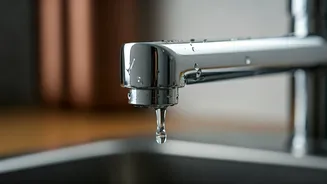
find incredibly appealing: your kitchen sink drains and garbage disposals. These areas can accumulate organic matter and residual food particles, creating a rich feeding ground. Even if you can't see it, a biofilm can form within the pipes, offering both sustenance and a cozy environment for fruit flies to thrive and reproduce. This hidden accumulation of decaying material provides the essential nutrients they need, making it a prime location for them to establish a population. Furthermore, the constant presence of moisture from sink usage and condensation around these damp areas creates the ideal humidity levels for fruit fly eggs to hatch and larvae to develop. Thus, the seemingly clean drain is, in reality, a bustling hub of activity for these unwelcome insects, drawing them in with its hidden, organic-rich environment and constant moisture, which are critical for their life cycle and proliferation within your kitchen space.
Beyond Fruit: What Else Attracts Them?
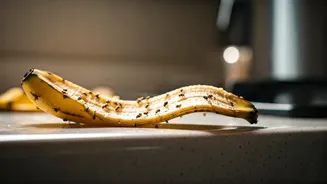
Fruit flies are not exclusively drawn to rotting produce; their preferences extend to a broader spectrum of organic materials. Sugary liquids, spilled alcohol, and even the residue left behind in empty containers can serve as attractants. These items, often found in trash bins or lingering on countertops, provide the necessary food source for fruit flies to sustain themselves and multiply. It's crucial to understand that any source of fermenting or decaying organic matter can lure them in. This includes not only obvious food scraps but also less apparent sources like leftover beverages, sticky residues from sweet drinks, or even moist pet food left out. Their ability to breed rapidly, laying up to 500 eggs at a time, means that even a small, overlooked source of food and moisture can quickly escalate into a significant infestation. Therefore, a comprehensive approach to cleanliness, addressing all potential food and moisture sources, is essential for effective fruit fly control and prevention.
Strategic Prevention Tactics
To combat fruit flies effectively, a multi-pronged strategy centered on rigorous sanitation is paramount. Regular and thorough cleaning of drains and garbage disposals, ideally with an enzyme-based cleaner that breaks down organic matter, is a crucial step. Installing fine mesh screens over drains can physically prevent adult flies from entering and laying their eggs. Furthermore, prompt disposal of all food waste and maintaining tightly sealed trash bins significantly reduces accessible food sources. Storing fruits and vegetables in airtight containers or refrigerating them prevents them from becoming an open invitation. Any overripe or spoiled produce should be discarded immediately. Beyond these measures, it’s vital to inspect your home for less obvious food sources, such as damp pet food or forgotten drinks, and to clean up spills, especially sugary liquids or alcohol, without delay. Daily wiping of countertops removes lingering residues. For active infestations, setting up fruit fly traps, whether commercial or DIY (using apple cider vinegar with a few drops of dish soap in a lidded container with holes), can help reduce the adult population. Paying close attention to where you see the flies congregating can also pinpoint the primary source(s) of the infestation.