



What Is Red Light?
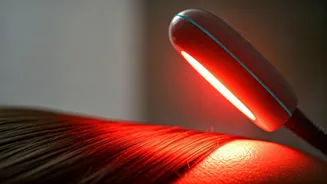
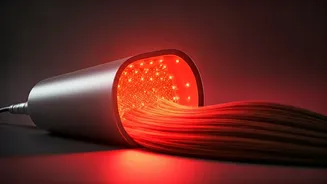
Red light therapy, also known as low-level light therapy (LLLT), harnesses specific spectrums of red and near-infrared light to encourage cellular processes.
This isn't about damage like UV rays; instead, these controlled wavelengths penetrate the skin's surface to reach underlying cells. While not a cure-all, it acts as a valuable supplementary treatment for various skin and hair concerns, backed by scientific principles when applied correctly. The core idea is to boost the efficiency of your cells, leading to healthier skin and a more robust environment for hair to grow. It's a scientifically recognized approach that has transitioned from clinical settings to widespread personal use.
Cellular Rejuvenation Explained
At a microscopic level, red light works by reaching the mitochondria, the powerhouses of your cells. By stimulating these organelles, it enhances the production of adenosine triphosphate (ATP), the primary energy currency of cells. This surge in energy fuels cellular repair mechanisms and promotes regeneration. For your skin, this translates into increased collagen synthesis, which helps maintain firmness and elasticity, alongside a reduction in inflammation, leading to improved texture and a more even tone over time. On your scalp, this enhanced cellular activity boosts blood circulation, creating an optimal environment for hair follicles to thrive and potentially reducing inflammation that can hinder growth.
Hair Growth Potential
The evidence suggests that red light therapy can be beneficial for certain types of hair thinning and loss, particularly in cases of androgenetic alopecia and early-stage thinning. It appears to work by waking up dormant hair follicles and potentially extending the active growth phase of hair. However, it's crucial to maintain realistic expectations; this therapy is unlikely to reverse significant baldness or replace necessary medical interventions. Instead, it serves best as an additional tool to support existing hair care routines and treatments, offering a gentle nudge to encourage healthier, fuller-looking hair when used consistently.
Safe Usage Guidelines
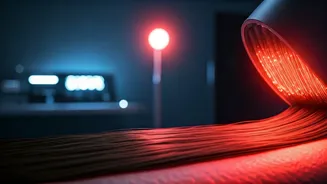
A typical session under red light, as suggested by some users, might last around 30 minutes. In professional clinical environments, sessions usually range from 10 to 30 minutes, utilizing devices calibrated for safety. It is important to avoid excessive use, as prolonged or unsupervised exposure to high-intensity devices could potentially lead to skin dryness, mild irritation, or headaches. The key takeaway is that consistency in application, rather than excessively long durations, is far more crucial for achieving benefits. Seeking advice from a healthcare professional, especially when first starting with red light therapy, is highly recommended.
Who Can Benefit?
Generally, red light therapy is well-tolerated across most skin types. However, individuals with specific medical conditions should proceed with caution and consult a dermatologist. This includes those with photosensitive disorders, active skin infections, or anyone taking medications that increase their sensitivity to light. It's vital to understand that red light therapy is not a standalone solution; its effectiveness is maximized when integrated into a holistic wellness approach. This means combining it with a sound skincare regimen, proper nutrition, dedicated scalp care practices, and diligent sun protection for comprehensive results.