






Rehydrating After Sleep
Upon waking, your body is naturally experiencing a mild state of dehydration due to fluid loss during sleep. Drinking water, regardless of temperature,
is crucial for restoring this balance. This initial rehydration is vital for optimal circulation, initiating metabolic processes, and enhancing cognitive functions like alertness and reaction time, effectively combating feelings of fatigue and mental fogginess that can arise from insufficient fluid intake overnight. Proper morning hydration sets a foundation for smoother bodily operations throughout the day.
Gentle Digestive Stimulation
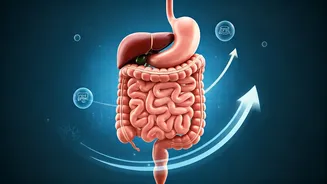
The act of consuming any fluid first thing in the morning can trigger the gastrocolic reflex, a natural physiological response that signals your digestive system to prepare for activity. While warm liquids may feel more soothing and easier to ingest initially, the primary benefit for digestion stems from overall hydration rather than the water's temperature. Adequate fluid intake is essential for maintaining stool consistency, facilitating regular bowel movements, and promoting overall gastrointestinal regularity. The perceived urge to use the bathroom after drinking can be attributed to this combined effect of hydration and the body's innate reflexes.
Stress Reduction and Calm
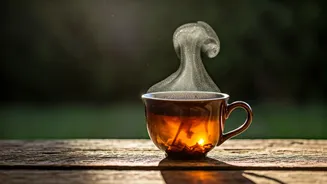
Incorporating a warm beverage into your morning routine can contribute to a sense of tranquility and relaxation. The physical sensation of warmth has been linked to a reduction in sympathetic nervous system activity, often associated with the body's 'fight or flight' response. This can lead to a decrease in heart rate and muscle tension, fostering a more relaxed state. Furthermore, the practice of engaging in a consistent morning ritual, such as enjoying a warm drink, can enhance mindfulness, reduce perceived stress levels, and provide a stabilizing influence on mood, especially during demanding periods.
Esophageal Motility Support
Consuming warm water may offer benefits for esophageal motility, which governs the efficient passage of food and liquids from the mouth to the stomach. This can be particularly helpful for individuals experiencing difficulties with swallowing or esophageal spasms. Research indicates that warm liquids can aid in relaxing the esophagus and improving the flow of ingested substances. Specifically, studies have shown that warm water can reduce esophageal food retention and enhance function in those with achalasia, a condition impacting swallowing. The heat from the fluid can help relax the smooth muscles of the esophageal wall and the lower esophageal sphincter (LES), thereby facilitating smoother passage.