


Penguins' Unusual Pairings
In controlled environments like zoos, penguins have exhibited a remarkable tendency to form bonds with individuals from other penguin species. These interspecies
relationships often mirror the courtship rituals seen within their own kind, including nest building and even attempting to incubate eggs that are not biologically theirs. Furthermore, some penguins have developed strong attachments to their human caretakers, displaying behaviours indicative of affection and seeking companionship. This suggests a complex social nature that can extend beyond typical species boundaries, highlighting adaptability and a capacity for forming connections with those different from themselves.
Swans' Cross-Species Affection
Known for their strong monogamous ties, swans can, in certain circumstances, form attachments with entirely different bird species. Reports indicate instances where swans have bonded with ducks or geese, demonstrating behaviours such as territorial guarding and mutual grooming, akin to what would occur between natural mates. In some particularly unusual cases, swans have even been observed forming bonds with inanimate objects, like boats, showcasing a profound capacity for forming attachments when a suitable partner is unavailable. These behaviours underscore the powerful drives for companionship and social interaction.
Dolphins' Nurturing Instincts
Female dolphins sometimes exhibit nurturing behaviours towards the young of other species, carrying or bonding with them. In captivity, these intelligent marine mammals can display prolonged interest and care towards animals outside their own kind. While these actions might appear as misplaced love, they are often interpreted as extensions of their strong maternal instincts or as expressions of social curiosity and a desire for interaction. These instances suggest a complex interplay of biological programming and social exploration that transcends species lines.
Elephants' Hormonal Bonds
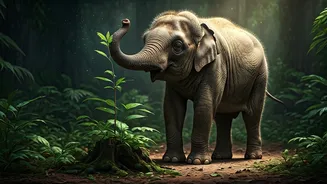
Young elephants, particularly during periods of heightened reproductive hormones known as musth, have been observed to exhibit affiliative or even sexual behaviours towards other species. These unusual interactions have been noted with animals like rhinos and even humans. The driving forces behind these unique bonds are believed to be a combination of intense hormonal surges and a relative lack of social experience, leading to exploratory behaviours that extend beyond their usual social circle.
Dogs' Inter-Species Devotion
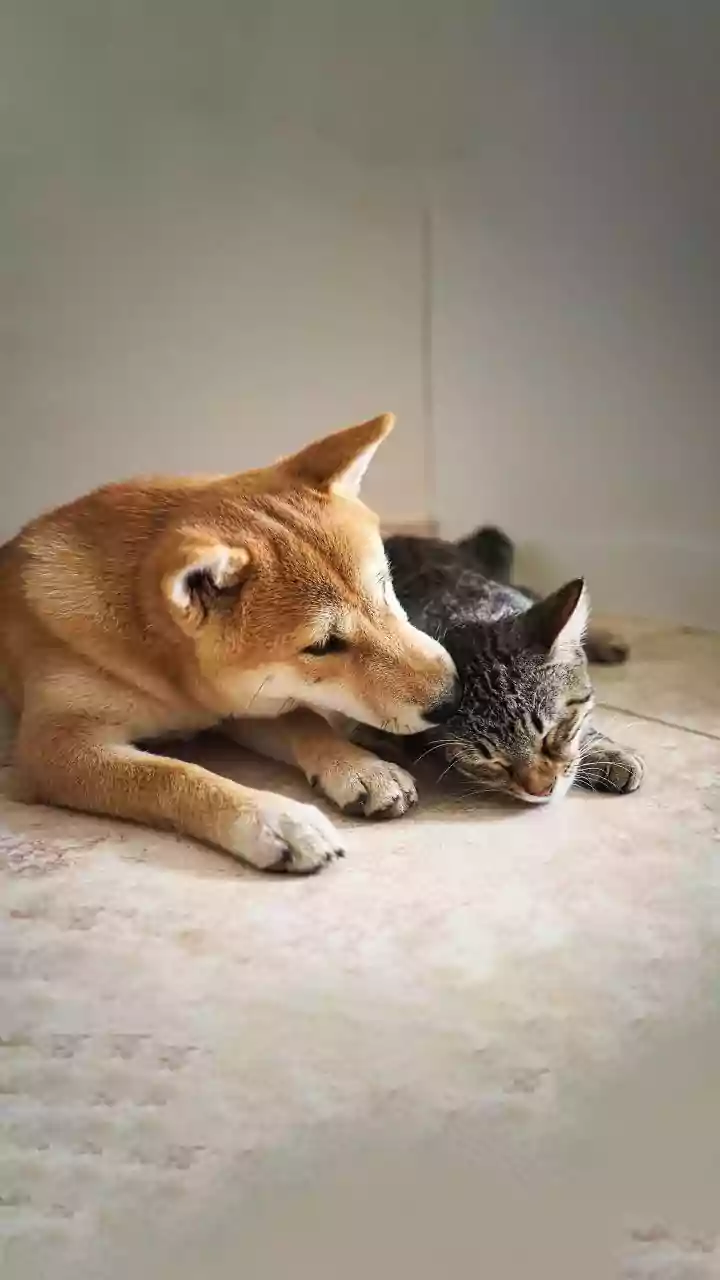
Dogs are well-known for their ability to form deep and lasting bonds with a wide array of animals from different species. These devoted companionships can include cats, goats, and horses, among others. The interactions within these cross-species friendships often involve mutual grooming, protective guarding behaviours, and playful engagement. These actions are considered analogous to mate-guarding or courtship instincts that would be present in wild canids, illustrating the profound social and emotional capacities of domestic dogs.