
Insulate Smartly
Effective insulation is the cornerstone of a warm home. Focus on insulating your windows and doors to prevent drafts from entering. Utilize weatherstripping
and caulk to seal any gaps or cracks around windows and doors, minimizing heat loss. Consider adding thicker curtains or thermal drapes to further reduce heat escape. For windows, you might use plastic film insulation kits, a budget-friendly way to create an additional layer of insulation and prevent cold air from seeping through. Proper insulation not only keeps your home warmer but also leads to reduced energy consumption, making your home more energy efficient during the winter.
Harness Natural Light
Maximize natural light to make your home feel brighter and warmer during the winter's shorter days. Keep windows clean to ensure the sunlight enters your home unhindered. Arrange your furniture to take advantage of available sunlight. Opt for light-colored walls and decor, as they reflect light and help brighten up the space. Mirrors are an effective option to bounce the sunlight around a room, enhancing the overall brightness. Opening curtains and blinds during daylight hours not only helps to warm your space naturally but also creates a more inviting and cheerful atmosphere during the gloomy winter days.
Layer with Textiles
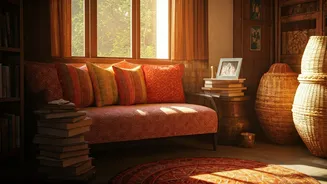
Introduce layers of textiles to create a sense of warmth and coziness throughout your living areas. Add plush rugs to your floors to insulate against the cold. Replace your summer bedding with warmer, heavier options such as flannel sheets and a down comforter. Incorporate throws and blankets on sofas and chairs, offering warmth and inviting spots for relaxation. Choose fabrics like wool, fleece, or velvet for extra comfort. By adding these textiles, you're creating a visually warm ambiance and adding practical insulation to help trap heat, making your home a more comfortable retreat during the winter months.
Embrace a Cozy Palette
Transform your space with a warm and inviting color palette. Opt for rich, warm hues like deep reds, oranges, and earthy browns to evoke a sense of comfort. Incorporate these colors through accent walls, throw pillows, and decorative items. If you prefer a more neutral palette, consider adding warmer tones through accessories like candles, rugs, or artwork. These colors can instantly change the atmosphere of a room. Using warm colors helps to create a cozy and inviting ambiance that makes your home feel more welcoming during the winter season. The right color can significantly influence how you experience the space.
Strategic Furniture Placement
Thoughtful furniture arrangement can significantly impact the coziness of your living space. Position furniture away from exterior walls and windows, where drafts are most prevalent. If you have a fireplace, arrange seating to create a focal point and promote a cozy atmosphere. Consider adding a seating area near a sunny window to take advantage of natural light. Rearrange your furniture to optimize the flow and create comfortable gathering spaces. By thoughtfully arranging your furniture, you can enhance both the visual appeal and the comfort of your home, making it a more inviting space to relax in during the colder months.
Cozy Lighting Choices
Lighting plays a crucial role in establishing a warm and comfortable ambiance. Swap out harsh overhead lights for softer, warmer alternatives. Use lamps with warm-toned bulbs to cast a welcoming glow. Incorporate candles and fairy lights for a touch of added ambiance. Strategically place lamps in different areas of the room to create layers of light. Dimming switches can allow you to adjust the lighting according to your mood. By carefully choosing your lighting, you create a more intimate and relaxing atmosphere, making your home feel cozier and more inviting, especially during the long winter evenings.
Warm Scents & Aromas
Infuse your home with comforting aromas to create a sense of warmth and relaxation. Use scented candles, essential oil diffusers, or simmer pots with warming spices like cinnamon, cloves, and nutmeg. Choose scents that evoke a cozy feeling, such as vanilla, sandalwood, or pine. The right fragrance can enhance the ambiance of a room, creating a more inviting environment. Scented options not only elevate the atmosphere but can also help to set a relaxing mood, making your home a peaceful retreat during the colder months. Choose scents that align with your personal preferences and complement your decor.
Focus on Indoor Plants
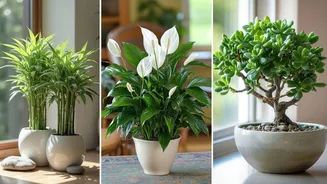
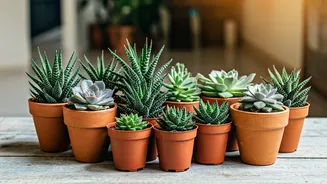
Bring a touch of nature indoors with indoor plants, adding both visual interest and an element of freshness. Choose plants that thrive in indoor environments and that can tolerate lower light conditions, like snake plants, spider plants, and pothos. Plants can enhance the air quality within your home and they can contribute to a feeling of tranquility. Place plants strategically to create focal points or add color to otherwise bland areas. If you're a beginner, opt for low-maintenance varieties to ensure ease of care. Bringing greenery into your space can combat the winter blues, making your home feel lively and more connected to nature even when it is cold outside.
DIY Fireplace Decor
Even if you don't have a functional fireplace, you can still create a focal point with a decorative one. Consider using faux fireplace mantels or setting up a decorative arrangement with candles, logs, and other seasonal elements. Utilize the space on top of the mantel to display artwork, photos, or decorative objects. If you have a real fireplace, ensure it is properly maintained, and consider using a fireplace screen for safety. Whether you choose a functional or decorative approach, the fireplace area can become a cozy centerpiece. By incorporating such elements, you can enhance the charm of your living space, making it a warmer and more welcoming retreat during the winter season, even without the actual heat.