





Project Elephant Initiative
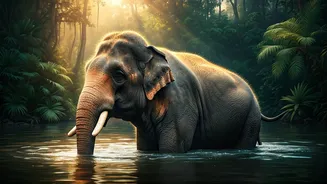
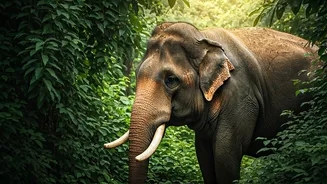
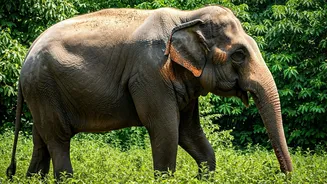
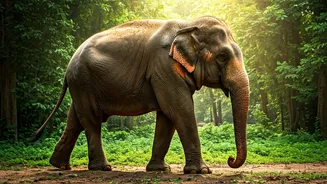
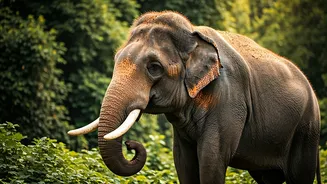
India is a global leader in the conservation of Asian elephants, housing over half of the world's wild population. The nation's approach, guided by Project
Elephant, emphasizes the creation and protection of vast elephant landscapes rather than focusing solely on individual parks. This strategy aims to secure critical migration corridors, reduce human-elephant conflict, and ensure the long-term survival of these majestic animals. The Nilgiri and Eastern Dooars landscapes are prime examples of these extensive conservation areas, showcasing India's commitment to preserving these iconic creatures for generations to come through thoughtful land management and community engagement.
Kaziranga's Elephant Abode
Renowned worldwide for its thriving population of one-horned rhinoceros, Kaziranga National Park in Assam is also a significant sanctuary for wild elephants. The park's sprawling floodplains and grasslands provide an ideal environment for these large mammals. Visitors undertaking grassland safaris often have the remarkable opportunity to observe herds of elephants traversing the landscape, particularly during certain seasons. The park's commitment to protecting its diverse fauna makes it a crucial destination for understanding elephant ecology within a broader biodiversity hotspot.
Mudumalai's Elephant Corridor
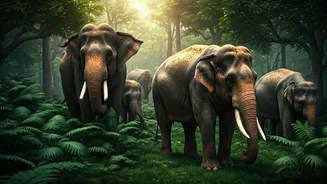
Nestled at the convergence point of Tamil Nadu, Kerala, and Karnataka, the Mudumalai Tiger Reserve serves as a vital elephant corridor, facilitating the movement of these animals between different habitats. This strategically located reserve boasts a variety of terrains, from dry deciduous forests to moist teak forests, supporting substantial elephant herds. Forest drives within Mudumalai frequently result in exciting sightings of elephants in their natural environment. Its role as a connecting landscape underscores its importance in maintaining healthy elephant populations across southern India.
Nagarhole's Forest Dwellers
As a significant component of the larger Nilgiri Biosphere Reserve, Nagarhole National Park in Karnataka is a haven for abundant elephant herds. The park's landscape is characterized by dense forests interspersed with serene river systems and open grasslands, creating a perfect ecosystem for elephants to thrive. Explorations via jeep safaris or serene boat rides along its rivers offer excellent chances to witness these magnificent animals in their daily routines. Nagarhole's rich biodiversity and protected status make it a premier location for experiencing elephants in their undisturbed, natural habitat.
Periyar's Lakeside Elephants
Located within the verdant Western Ghats of Kerala, the Periyar Tiger Reserve is celebrated as one of the most reliable places to spot wild elephants, often seen near its picturesque lake. The unique boat safaris offered here provide an unparalleled perspective, allowing visitors to observe herds as they visit the water's edge to drink and bathe. Beyond the elephants, the reserve offers breathtaking views of dense forest landscapes and a rich array of other wildlife, making it a comprehensive nature experience for all visitors.
Corbett's Elephant Territory
India's oldest national park, Corbett National Park in Uttarakhand, is not solely recognized for its tiger population. Its diverse ecosystems, comprising lush riverine forests and expansive grasslands, also provide a sanctuary for a healthy and robust elephant population. Visitors, particularly in zones like Dhikala, frequently encounter these gentle giants roaming freely. The park’s commitment to preserving its natural heritage ensures a significant presence of elephants, making it a compelling destination for wildlife enthusiasts.