







Mumbai's Grand Terminus
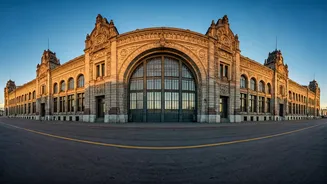
Chhatrapati Shivaji Maharaj Terminus in Mumbai is an iconic landmark, even amidst the city's constant rush. Its intricate detailing and imposing structure
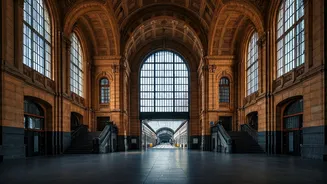
are impossible to overlook, making it a significant visual element for both daily commuters and first-time visitors. The station's grandeur is a constant presence, ensuring it never blends into the background, offering moments of architectural appreciation even in the most chaotic travel scenarios. This UNESCO World Heritage site's Gothic Revival style architecture, with its Victorian influences, stands as a testament to India's colonial past and its enduring architectural legacy. The sheer scale and elaborate ornamentation, from its high vaulted ceilings to its sculpted facades, create an atmosphere that is both awe-inspiring and deeply memorable, transforming a simple commute into an encounter with history and art.
Bhopal's Modern Oasis
Rani Kamalapati Railway Station in Bhopal presents a starkly different, more serene travel environment compared to traditional Indian stations. Its modern design emphasizes organization and a less frantic atmosphere, allowing passengers to navigate their journey with greater ease. The station's layout and facilities are engineered to reduce confusion and create a sense of calm, a welcome departure for those accustomed to more chaotic transit hubs. This station has redefined the passenger experience, incorporating advanced amenities and a thoughtful design that prioritizes passenger comfort and flow. The clean lines, ample natural light, and well-planned waiting areas contribute to a feeling of efficiency and peace, making it a standout example of contemporary railway infrastructure in India. It fosters an environment where travelers can genuinely relax before their journey.
Lucknow's Artistic Entrance
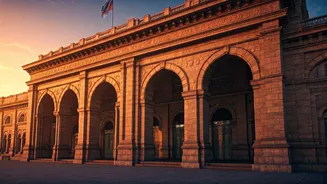
Charbagh Railway Station in Lucknow captivates with its distinctive red-and-white architecture, featuring elegant domes that deviate from typical station aesthetics. Its symmetrical design creates a visually pleasing presence, making it more of a landmark than a mere transit point. The station's aesthetic appeal often prompts travelers to pause, admire, and capture its beauty, turning a functional stop into a memorable visual experience. The Mughal-inspired elements, combined with Indo-Saracenic architectural influences, give Charbagh a unique character that resonates with the city's rich cultural heritage. Its striking appearance, characterized by intricate carvings and grand gateways, offers a warm and artistic welcome, evoking a sense of stepping back in time while still serving its modern purpose efficiently. The station's design serves as a cultural statement, deeply rooted in local artistic traditions.
Kolkata's Iconic Hub
Howrah Railway Station in Kolkata is a vital and bustling gateway, alive with constant activity. The sheer energy of the place, from the throngs of people to the symphony of announcements and calls, is palpable from the moment you enter. As travelers exit, the magnificent Howrah Bridge comes into view, creating a powerful connection between the station and the city's iconic skyline. For frequent travelers, Howrah becomes an integral part of their journey, a familiar and yet sometimes overwhelming, yet undeniably essential, part of their experience. Its historical significance as one of the oldest and busiest railway hubs in India is evident in its grand scale and the continuous flow of life within its walls. The station embodies the dynamic spirit of Kolkata, serving as a central node for millions of journeys and a starting point for countless stories.
Vijayawada's Functional Grace
Vijayawada Railway Station in Andhra Pradesh offers a practical yet commendable approach to managing high passenger volumes. Despite being a major junction, it maintains an organized and manageable atmosphere, with well-kept platforms and clear navigation pathways. This efficiency contributes to a smoother travel experience, setting it apart from many other congested stations. The station's design prioritizes functionality, ensuring that the large number of daily travelers can move through with relative ease. It demonstrates that even a busy transit point can be a place of order and convenience, enhancing the overall journey for passengers. The focus here is on the seamless operation and the subtle details that make travel less stressful and more straightforward, making it a quiet achiever in India's railway network.