


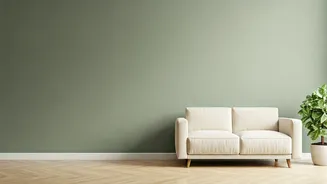
Embracing Sustainability
Sustainability will continue to be a cornerstone of design in 2026. This means an increased focus on eco-friendly materials and practices. Expect to see
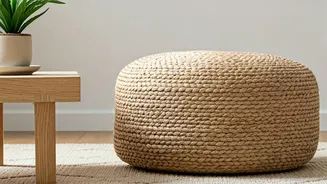
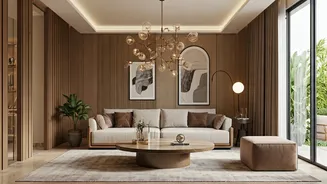
more furniture and decor made from recycled materials, reclaimed wood, and other sustainable sources. The use of natural and organic textiles, like cotton and linen, will be prominent. Furthermore, energy-efficient appliances and smart home technologies that minimize environmental impact will become increasingly popular. The goal is to create beautiful homes that are also kind to the planet, reflecting a growing awareness of environmental responsibility among homeowners. Consider choosing decor items made from bamboo, jute, or sustainably sourced timber to align your home with this trend. It is all about incorporating natural elements into the design.
Biophilic Design Flourishes
Biophilic design, which emphasizes connecting people with nature, will continue to gain traction. This involves bringing the outdoors inside through the use of natural light, plants, and natural materials. Expect to see more indoor plants, vertical gardens, and green walls integrated into home designs. Large windows and open layouts will be favored to maximize natural light and views. The color palettes will reflect nature with earthy tones like greens, browns, and blues dominating. Furthermore, the use of organic shapes and textures, such as curved furniture and textured walls, will be used to mimic the patterns found in nature. This trend aims to create serene and rejuvenating spaces that promote well-being and a connection with the natural world, particularly important in urban settings where access to nature might be limited. Integrating more natural light is crucial.
Smart Home Integration
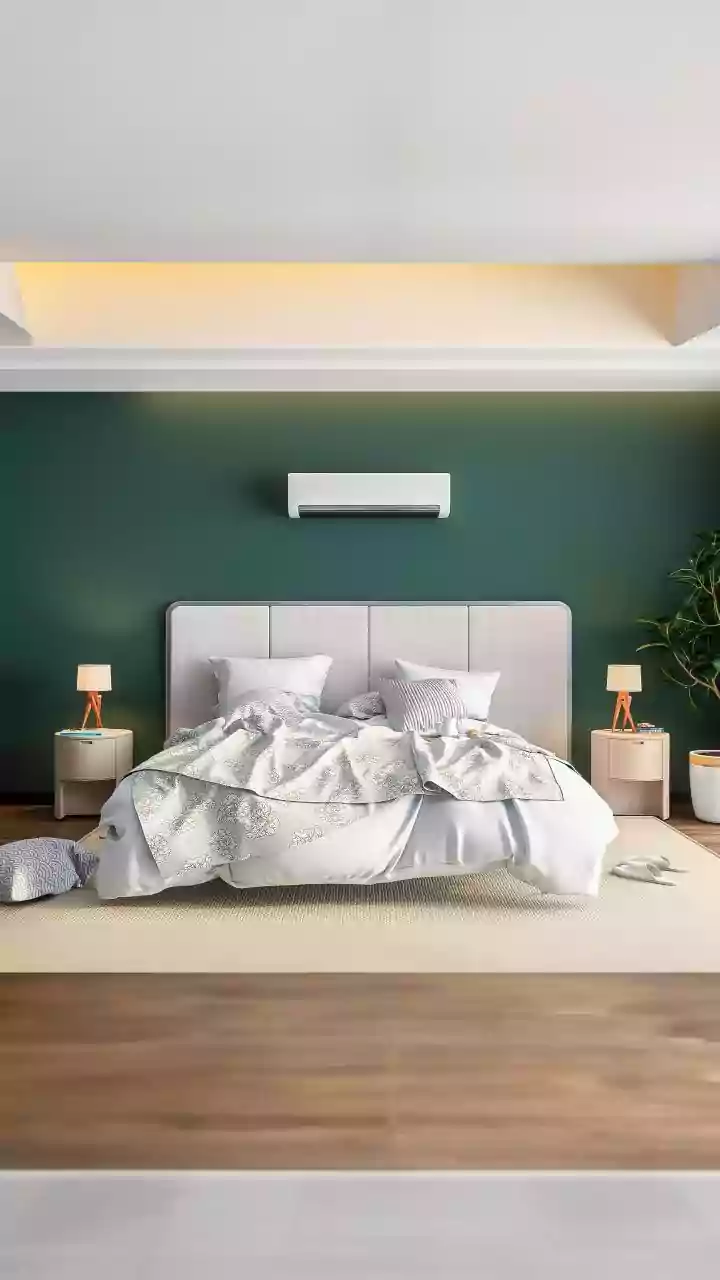
Smart home technology will be further integrated into home design, offering convenience and efficiency. Smart appliances, lighting, and security systems will become standard features in many homes. Voice control and automation will enhance the user experience, allowing homeowners to manage their homes with ease. Energy-saving features, such as smart thermostats and lighting controls, will be more prevalent, contributing to sustainability efforts. Furthermore, expect to see an increase in personalized home settings, with systems that can adapt to individual preferences and lifestyles. Seamless integration of technology will transform homes into more connected, efficient, and comfortable living spaces. These smart solutions are designed to enhance the quality of life.
Textured and Tactile Spaces
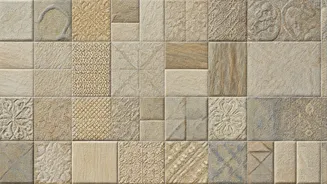
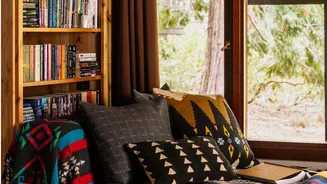
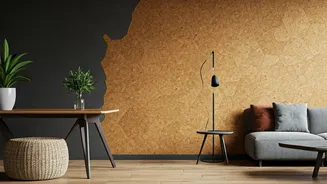
Texture will be a key element in home decor, adding depth and visual interest. This includes a mix of various textures, such as velvet, boucle, and linen. Layering different textures will create a cozy and inviting atmosphere. In addition, expect to see more textured wall finishes, such as plaster and textured wallpaper, which add dimension and personality to a room. Rugs, throws, and cushions will provide additional opportunities to incorporate texture. The focus is on creating spaces that are both visually appealing and comfortable to the touch. This trend adds a luxurious and inviting aspect to interiors. The layering of different textures is about creating a sensory experience.
Bold Colors & Patterns
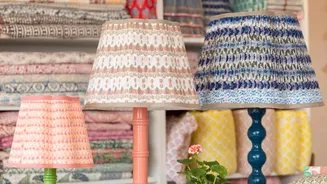
After a period of minimalist designs, 2026 will see a resurgence of bold colors and patterns. Expect to see vibrant hues, accent walls, and patterned wallpapers making a comeback. Rich colors like emerald green, deep blues, and warm terracotta will be popular choices for walls and furniture. Geometric patterns, floral prints, and other eye-catching designs will add personality and visual interest to interiors. This trend encourages homeowners to express their individuality and create spaces that reflect their unique tastes. It is a shift towards more expressive and personalized home designs, moving away from neutral palettes.
Multifunctional Spaces Emerge
With changing lifestyles, homes will be designed for versatility. This trend focuses on creating spaces that can serve multiple purposes. Living rooms can convert into home offices, guest rooms can become exercise studios, and kitchen islands can double as workspaces. Flexible furniture, such as modular sofas and extendable tables, will be ideal. The focus is on maximizing space and functionality, especially in smaller homes. This trend reflects the needs of a modern, dynamic lifestyle, where spaces need to adapt to different activities and needs throughout the day. Creating zones within a room that have specific functions is a part of this trend.
Artisan Craftsmanship Returns
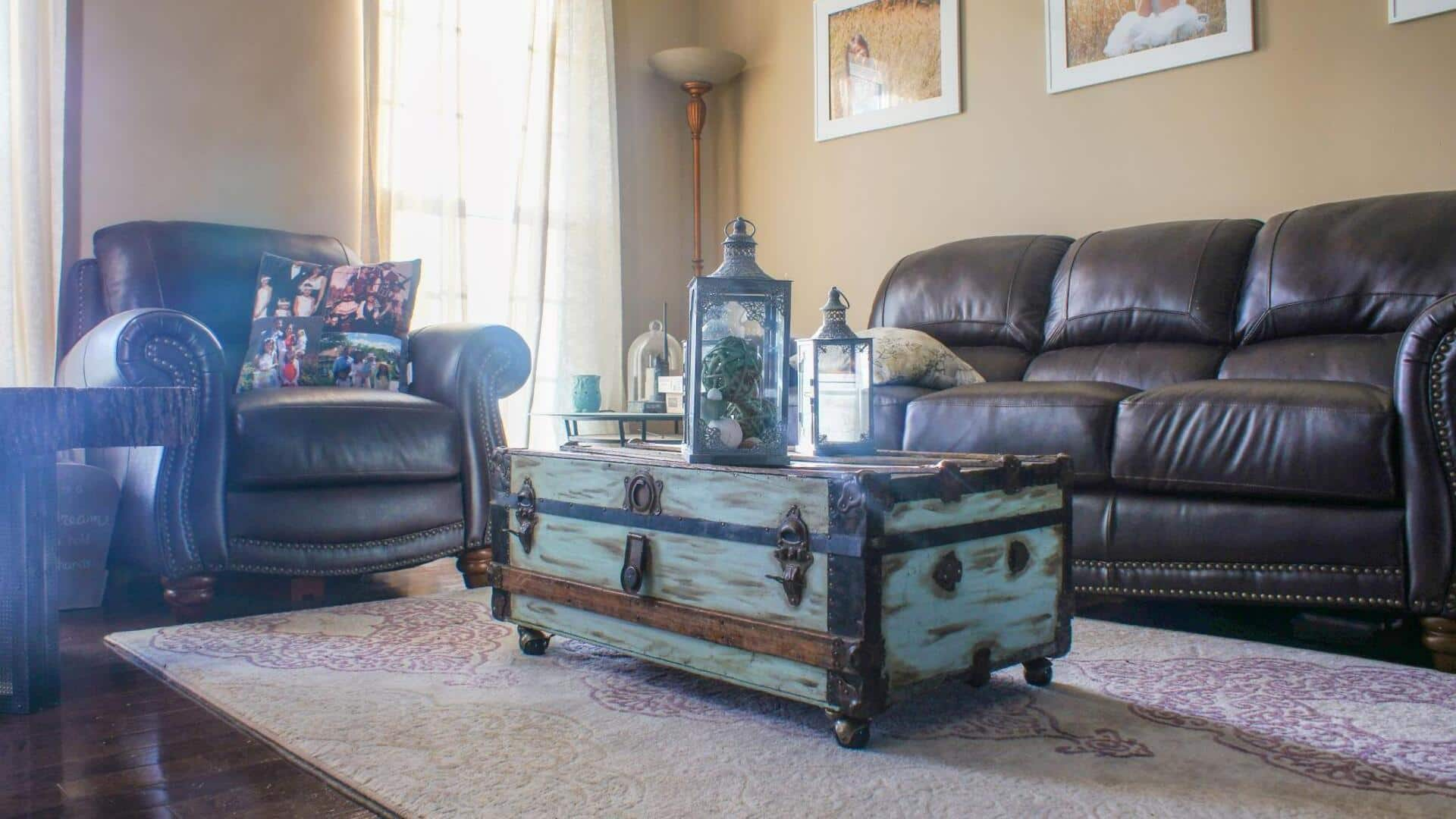
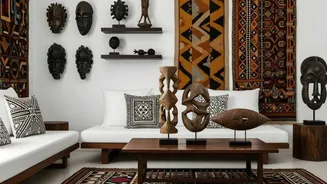
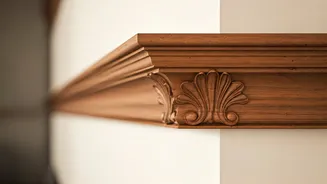
There will be a renewed appreciation for handcrafted and artisanal pieces. Homeowners will seek out unique, handmade items that add character and individuality to their homes. Locally sourced furniture, pottery, textiles, and decorative items will be in demand. The focus is on supporting artisans and embracing the imperfections and uniqueness of handmade products. This trend brings a personal touch to home design. It is about celebrating the skills of artisans and incorporating their creations into your living spaces.